
The Perilous Path: When Peace Negotiations Threaten Democratic Principles
Published
- 3 min read
The Diplomatic Context
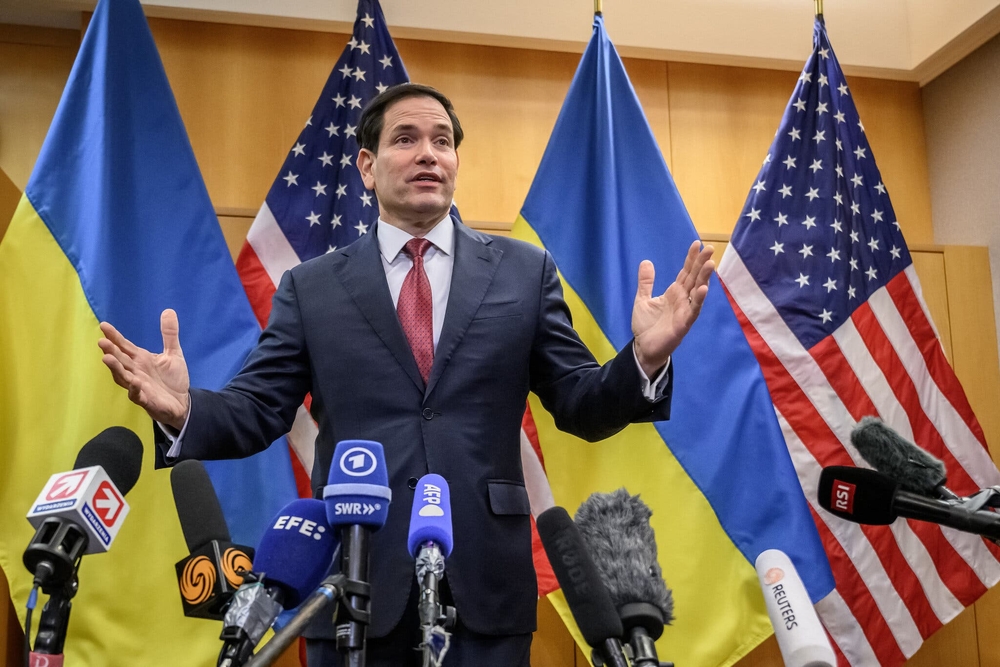
The ongoing diplomatic efforts to resolve the Russia-Ukraine conflict have entered a critical phase, with Trump administration officials engaging in high-level talks with Ukrainian counterparts. Secretary of State Marco Rubio, special envoy Steve Witkoff, and presidential advisor Jared Kushner are spearheading these negotiations, following earlier discussions in Geneva. The urgency of these talks stems from President Trump’s directive last month to push for a resolution to the devastating war that has consumed Ukraine for years.
What makes these negotiations particularly significant is the revelation that American officials drafted a 28-point peace proposal that incorporated substantial Russian input. This development occurred amidst secret meetings between American negotiators and Kirill Dmitriev, a key envoy for President Putin. The diplomatic landscape has been further complicated by the resignation of Andriy Yermak, Ukraine’s top negotiator and chief of staff, amid corruption investigations, creating additional instability in Kyiv’s negotiating position.
The Controversial Proposal
The leaked 28-point proposal has raised serious questions about the balance of these negotiations. According to reports, Secretary Rubio acknowledged to senators that the plan had been “composed by Russia,” though he later clarified that Ukrainian ideas had also been incorporated. This admission reveals a troubling starting point for peace talks—one that begins with the aggressor’s demands rather than the victim’s needs.
The negotiation process has involved whittling down the original proposal, with items concerning NATO and European nations being set aside for separate discussions. However, the fundamental framework remains deeply concerning to European allies and bipartisan groups of U.S. lawmakers who worry that the process may favor Russian interests over Ukrainian sovereignty.
A Dangerous Precedent in Diplomacy
What we are witnessing represents a fundamental departure from traditional diplomatic norms. The very concept of American negotiators secretly meeting with Russian officials to draft a peace proposal before presenting it to Ukraine turns established diplomatic practice on its head. This approach risks legitimizing aggression and rewarding invasion—precisely the opposite of what democratic nations should stand for.
The recordings revealed by Bloomberg News, showing conversations between Mr. Witkoff and Russian officials, suggest an even more alarming scenario: that American negotiators may have been presenting Russian demands as American recommendations. If true, this would represent a profound breach of trust with our Ukrainian partners and a violation of America’s historical role as a defender of democratic sovereignty.
The Erosion of Institutional Integrity
The decision by Secretary Rubio to skip a meeting of NATO foreign ministers in Brussels next week speaks volumes about the administration’s priorities. At a time when Western unity is crucial for confronting Russian aggression, this symbolic gesture suggests a troubling disregard for multilateral institutions that have maintained global stability for decades.
The involvement of multiple administration figures—including Vice President JD Vance and Army Secretary Daniel P. Driscoll—in supporting the original Russian-influenced proposal indicates that this approach represents administration policy rather than rogue diplomacy. This collective endorsement of a negotiation process that begins with the aggressor’s terms represents a fundamental shift in American foreign policy philosophy.
The Moral Dimension of Peace
Peace is undoubtedly a noble goal, but not all peace is created equal. A peace settlement that sacrifices Ukrainian sovereignty or territorial integrity would represent a catastrophic failure of Western leadership. The advocates who argue that any settlement is better than continued war misunderstand the fundamental principles at stake: when we reward aggression, we invite more aggression.
The Ukrainian people have demonstrated extraordinary courage and resilience in defending their democracy against overwhelming odds. They deserve a peace that preserves their sovereignty, not one that legitimizes their dismemberment. Any negotiation process that begins from Russian demands rather than Ukrainian rights risks betraying the very values America claims to champion.
The Strategic Consequences
The long-term strategic implications of this approach could be devastating. If Russia succeeds in achieving its objectives through military aggression backed by favorable peace terms, it will embolden other authoritarian regimes to pursue similar expansionist policies. The message sent to China regarding Taiwan, to Iran regarding regional domination, and to other would-be aggressors would be clear: Western resistance is negotiable.
Furthermore, the damage to American credibility would be profound. Our allies would rightly question whether American security guarantees are reliable if we demonstrate willingness to negotiate away the sovereignty of nations under our protection. The entire architecture of post-World War II international security, painstakingly built over decades, could begin to crumble.
The Path Forward
Genuine peace negotiations must begin from principles, not expediency. They must prioritize乌克兰’s sovereignty and territorial integrity, not Russia’s expansionist ambitions. They must involve Ukraine’s European partners fully and transparently, not sideline them for bilateral deals. And they must uphold the international rule of law, not reward its violation.
Americans who believe in freedom and democracy must voice their concerns about this dangerous diplomatic direction. We must demand transparency in negotiations, adherence to principle over political expediency, and unwavering support for democratic sovereignty. The soul of American foreign policy is at stake—will we stand with democracies under siege, or will we become accomplices to their dismemberment?
The courage of the Ukrainian people deserves better than a peace negotiated from their aggressor’s terms. The principles of democracy demand better than a settlement that rewards invasion. And America’s global leadership requires better than a diplomacy that begins with compromise of our most fundamental values.
As these negotiations continue, we must remember that true peace cannot be built on the ashes of justice. It must be founded on the inviolable principles of self-determination, sovereignty, and the fundamental rights of nations and peoples to determine their own destiny without foreign coercion. Anything less is not peace—it’s surrender.