
The Perilous Path: When Personal Diplomacy Threatens Democratic Principles
Published
- 3 min read
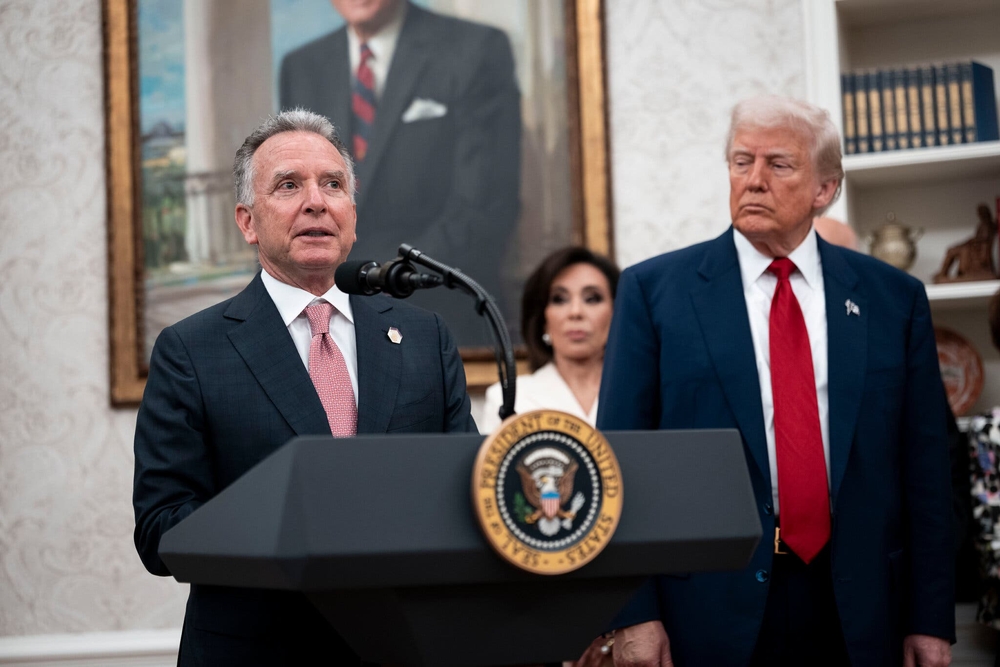
The Facts: Unusual Diplomacy in Ukraine Negotiations
President Donald Trump is actively defending his special envoy Steve Witkoff and planning to send him back to Russia for further negotiations with President Vladimir Putin regarding the ongoing conflict in Ukraine. This development follows a Bloomberg report containing what appears to be a transcript of an October 14th phone conversation between Witkoff and Yuri Ushakov, a top foreign policy aide to Putin. In this conversation, Witkoff seemingly offered advice to Russian officials on how to secure President Trump’s backing for Kremlin-preferred terms to end the conflict.
Trump characterized the conversation as “standard” practice for deal-making during comments to reporters aboard Air Force One. The president acknowledged that securing a peace deal has proven more difficult than anticipated, despite his much-touted relationship with Putin. The White House has identified Jared Kushner, Trump’s son-in-law, and Witkoff as the architects of the peace plan, with both having met Russian officials multiple times before details emerged publicly.
The initial U.S.-backed peace proposal, which diplomats found startling for its concessions to Russian demands, included limitations on Ukraine’s military size, Ukrainian surrender of portions of the Donbas region, and formal acknowledgment that Ukraine would not pursue NATO membership. Following consultations with European allies, the 28-point plan has been modified, though specific changes remain unclear. President Volodymyr Zelensky of Ukraine has characterized the U.S. proposal and Trump’s imposed timeline as forcing a “difficult choice” upon his nation.
Context: The Ongoing Conflict and Diplomatic Landscape
The Russia-Ukraine conflict represents one of the most significant challenges to European security and international order since the end of the Cold War. Russia’s annexation of Crimea in 2014 and subsequent full-scale invasion nearly four years ago has resulted in thousands of deaths, displaced millions, and violated numerous international agreements and norms. The United States, under multiple administrations, has consistently supported Ukraine’s sovereignty and territorial integrity, implementing sanctions against Russia and providing military assistance to help Ukraine defend itself.
President Trump’s approach has notably differed from his predecessors, emphasizing his personal relationship with Putin and frequently expressing admiration for the Russian leader’s strength and leadership. This relationship has caused concern among NATO allies and within the U.S. foreign policy establishment, who worry that it might lead to concessions that undermine European security and reward Russian aggression.
The timing of these negotiations is particularly significant as Trump pursues a Nobel Peace Prize and has repeatedly taken credit for resolving international conflicts since taking office. His claim to have “settled eight wars” underscores the political importance he places on achieving a visible foreign policy victory, especially one involving a major geopolitical rival.
The Danger of Personalistic Diplomacy
The reported dynamics of these negotiations reveal a troubling pattern of personalized diplomacy that subordinates institutional processes and democratic accountability to individual relationships and deal-making instincts. When special envoys appear to advise adversarial nations on how to secure preferred outcomes from the American president, it crosses dangerous ethical and professional boundaries that should alarm every citizen who values transparent governance.
Diplomacy conducted through proper channels ensures accountability, expertise, and alignment with national interests rather than personal agendas. The State Department exists for precisely this reason—to provide professional diplomatic guidance grounded in America’s strategic interests and values. Bypassing these institutions risks making catastrophic errors that professional diplomats might otherwise prevent.
The very notion that an American envoy would counsel Russian officials on how to maneuver around our own government’s processes should trigger immediate congressional investigation. This isn’t shrewd deal-making; it’s potentially reckless conduct that could compromise national security and undermine allied confidence in American leadership.
The Moral Hazard of Rewarding Aggression
The initial peace proposal’s terms represented nothing short of a reward for Russian aggression—a dangerous precedent that would encourage authoritarian regimes worldwide to pursue territorial expansion through military force. Limiting Ukraine’s military capacity, forcing territorial concessions, and extracting promises to abandon NATO aspirations constitutes exactly the outcome Putin hoped to achieve through invasion.
True peace cannot be built on the ashes of justice and the sacrifice of a democratic nation’s sovereignty. Any sustainable resolution must respect Ukraine’s territorial integrity and right to self-determination while holding Russia accountable for its violations of international law. Peace achieved through coercion and the validation of illegal land grabs isn’t peace at all—it’s capitulation to aggression that will inevitably lead to further conflicts.
The modified proposal may have addressed some concerns, but the fundamental problem remains: negotiations conducted under these unusual circumstances risk normalizing behavior that the international community should unequivocally reject. The United States must stand as a beacon for the principle that borders cannot be redrawn by force and that sovereign nations have the right to determine their own foreign policy alignments.
The Erosion of Institutional Trust
Perhaps most damaging in the long term is the erosion of trust in American institutions and commitments. When the president casually sets and extends deadlines for a sovereign nation to accept peace terms, when envoys operate through unconventional channels, and when proposals emerge that starkly contrast with longstanding foreign policy principles, our allies rightly question America’s reliability.
This uncertainty creates power vacuums that adversaries eagerly fill. If European nations cannot trust American commitments to collective security, they may pursue accommodation with Russia or develop independent military capabilities outside NATO structures—both outcomes that ultimately weaken transatlantic solidarity and empower authoritarian regimes.
The professional diplomatic corps, intelligence community, and defense establishment exist to provide continuity in American foreign policy regardless of administration changes. When these institutions are sidelined in favor of personal diplomacy, we lose the expertise, historical memory, and strategic perspective necessary for sound decision-making in complex international matters.
Principles Over Personality: A Path Forward
American foreign policy must return to being guided by principles rather than personalities. This means unequivocal support for democratic nations under attack, clear consequences for violations of international law, and diplomacy conducted through proper channels with appropriate congressional oversight.
The United States should support Ukraine’s negotiating position rather than pressuring them to accept unfavorable terms. We should work with European allies to present a united front against Russian aggression rather than pursuing unilateral initiatives that undermine collective efforts. Most importantly, we must ensure that any peace agreement strengthens rather than weakens the international rules-based order.
Congress has a vital role to play in reasserting institutional balance. Through hearings, funding limitations, and legislative mandates, the legislative branch must ensure that diplomacy serves national interests rather than personal legacy-building. The reported conversations between Witkoff and Russian officials deserve particular scrutiny to determine whether appropriate boundaries were maintained.
Ultimately, the test of any peace agreement isn’t whether it provides a photo opportunity or political trophy, but whether it justice for the Ukrainian people, deters future aggression, and reinforces the democratic values America claims to represent. Short-term deals that sacrifice these principles for temporary ceasefires will ultimately cost far more in blood, treasure, and global stability than they gain in momentary political advantage.
The world watches whether America will stand with democracies under siege or accommodate autocrats for the sake of personal diplomacy. The choice made in these negotiations will reverberate far beyond Ukraine’s borders, signaling to both allies and adversaries what they can expect from American leadership in the coming decades. We must choose principles over personality, justice over expediency, and democracy over deal-making.