
The Politicization of Justice: Trump's Epstein Investigation Request Undermines Institutional Integrity
Published
- 3 min read
The Facts of the Case
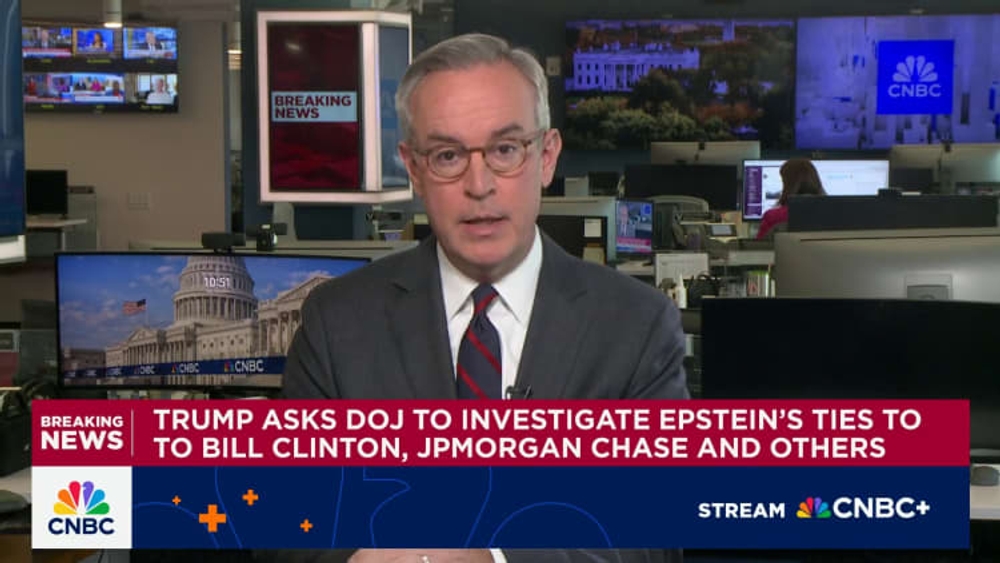
On Friday, President Donald Trump made a formal request through his Truth Social platform for the Department of Justice to investigate relationships between convicted sex offender Jeffrey Epstein and several high-profile individuals, including former President Bill Clinton, former Treasury Secretary Larry Summers, billionaire tech investor Reid Hoffman, and financial institution JPMorgan Chase. The request came amid renewed scrutiny of Trump’s own documented friendship with Epstein, who died by suicide in August 2019 while awaiting trial on federal sex trafficking charges involving minors.
Attorney General Pam Bondi promptly responded by appointing Jay Clayton, the U.S. Attorney for the Southern District of New York, to lead the investigation. Bondi praised Clayton as “one of the most capable and trusted prosecutors in the country” and promised the Department would pursue the matter “with urgency and integrity to deliver answers to the American people.”
Context and Background
The timing of Trump’s request is particularly notable given several concurrent developments. Just two days prior, Trump had hosted JPMorgan CEO Jamie Dimon at a White House dinner. The bank has faced significant legal consequences for its association with Epstein, settling separate lawsuits in 2023 by paying $290 million to Epstein’s victims and $75 million to the U.S. Virgin Islands government, though without admitting wrongdoing.
Simultaneously, the House of Representatives is considering a petition demanding the release of Epstein investigative files that the DOJ has thus far refused to make public, despite previous promises from Trump administration officials. Newly released emails from the House Oversight Committee reveal disturbing communications between Epstein and others discussing Trump, including one where Epstein claimed Trump “knew about the girls” and another where he stated, “I am the one able to take him down.”
The Dangerous Precedent of Political Weaponization
What we are witnessing represents a particularly dangerous moment for American democracy and the rule of law. The executive branch’s power to investigate must never become a political weapon wielded against opponents while shielding allies. Trump’s selective targeting of political figures—while his own documented associations with Epstein remain largely uninvestigated—creates a perception of justice being administered not based on evidence but on political convenience.
This approach fundamentally undermines public trust in our justice system. When citizens perceive that investigations are launched for political reasons rather than legitimate law enforcement purposes, the entire foundation of our legal system begins to crumble. The Department of Justice must remain independent and impartial, pursuing justice without fear or favor—not serving as an extension of political operatives seeking to damage opponents.
The Victims Deserve Better
At the heart of this sordid affair are the victims of Jeffrey Epstein’s horrific crimes—young women and girls whose lives were tragically altered by sexual exploitation and trafficking. These individuals deserve a justice system that pursues truth and accountability without political interference. Using their suffering as political ammunition represents a profound disrespect for their trauma and a betrayal of the justice they rightfully seek.
Reid Hoffman’s response on social media captured this sentiment perfectly when he demanded the release of “all of the Epstein files: every person and every document in the files” to bring justice for the victims. True justice requires comprehensive transparency, not selective investigations targeting political opponents while protecting allies.
The Erosion of Institutional Integrity
Attorney General Bondi’s immediate compliance with Trump’s public request raises serious questions about the independence of the Department of Justice. While prosecutors should certainly investigate credible allegations of criminal activity, they must do so based on evidence and proper procedure—not in response to public demands from political figures with clear conflicts of interest.
The proper course would have been for the DOJ to evaluate any evidence independently and make prosecution decisions based on legal merits alone. The appearance of the Attorney General immediately accommodating a presidential demand for investigating specific political figures damages the credibility of both the Department and the administration of justice more broadly.
The Constitutional Crisis We Cannot Ignore
Our constitutional system depends on the separation of powers and the independence of law enforcement from political manipulation. When a sitting president publicly directs the Justice Department to investigate specific individuals—particularly political opponents—while evidence suggests his own possible involvement, we edge dangerously close to authoritarian governance.
The founders established an independent judiciary and law enforcement system precisely to prevent this type of political weaponization. Federalist Paper 78, written by Alexander Hamilton, emphasized the necessity of an independent judiciary to serve as a check on potential executive overreach. We are watching those carefully constructed safeguards being tested in real time.
The Path Forward: Principles Over Politics
As committed defenders of democracy and the rule of law, we must demand better from our leaders. Several principles should guide our response to this situation:
First, complete transparency regarding all Epstein-related documents is essential. The American people deserve to know the full truth about who was involved with Epstein’s criminal enterprise, regardless of political affiliation or social status.
Second, investigations must proceed based on evidence and proper legal procedure, not political demands. The DOJ should investigate all credible allegations involving Epstein’s network without regard to the political implications.
Third, we must reaffirm the absolute independence of the Justice Department from political interference. Career prosecutors, not political appointees responding to public pressure, should make decisions about which cases to pursue.
Finally, we must remember that true justice serves the victims first—not political agendas. The focus should remain on securing accountability for those who enabled Epstein’s crimes and compensation for those who suffered.
Conclusion: Upholding Democratic Values in Challenging Times
The Epstein case represents one of the most disturbing criminal conspiracies in recent American history, involving the exploitation of vulnerable young people by powerful individuals. How our justice system handles this case will speak volumes about our commitment to the principle that no one is above the law—not wealthy financiers, not political leaders, not even presidents.
We stand at a crossroads where we must choose between justice administered impartially through proper channels and justice weaponized for political advantage. The choice we make will define the character of our democracy for generations to come. We must choose principle over politics, truth over convenience, and the unwavering defense of justice for all—especially the most vulnerable among us.
The victims of Jeffrey Epstein’s crimes, and indeed all Americans who believe in equal justice under law, deserve nothing less than a thorough, impartial, and transparent investigation that follows the evidence wherever it leads, without fear or favor. Our democratic institutions and the rule of law depend on it.