
The Politics of Appearance: How the Trump Administration's Airport Dress Code Campaign Distracts From Real Problems
Published
- 3 min read
Introduction: A Campaign for Civility?
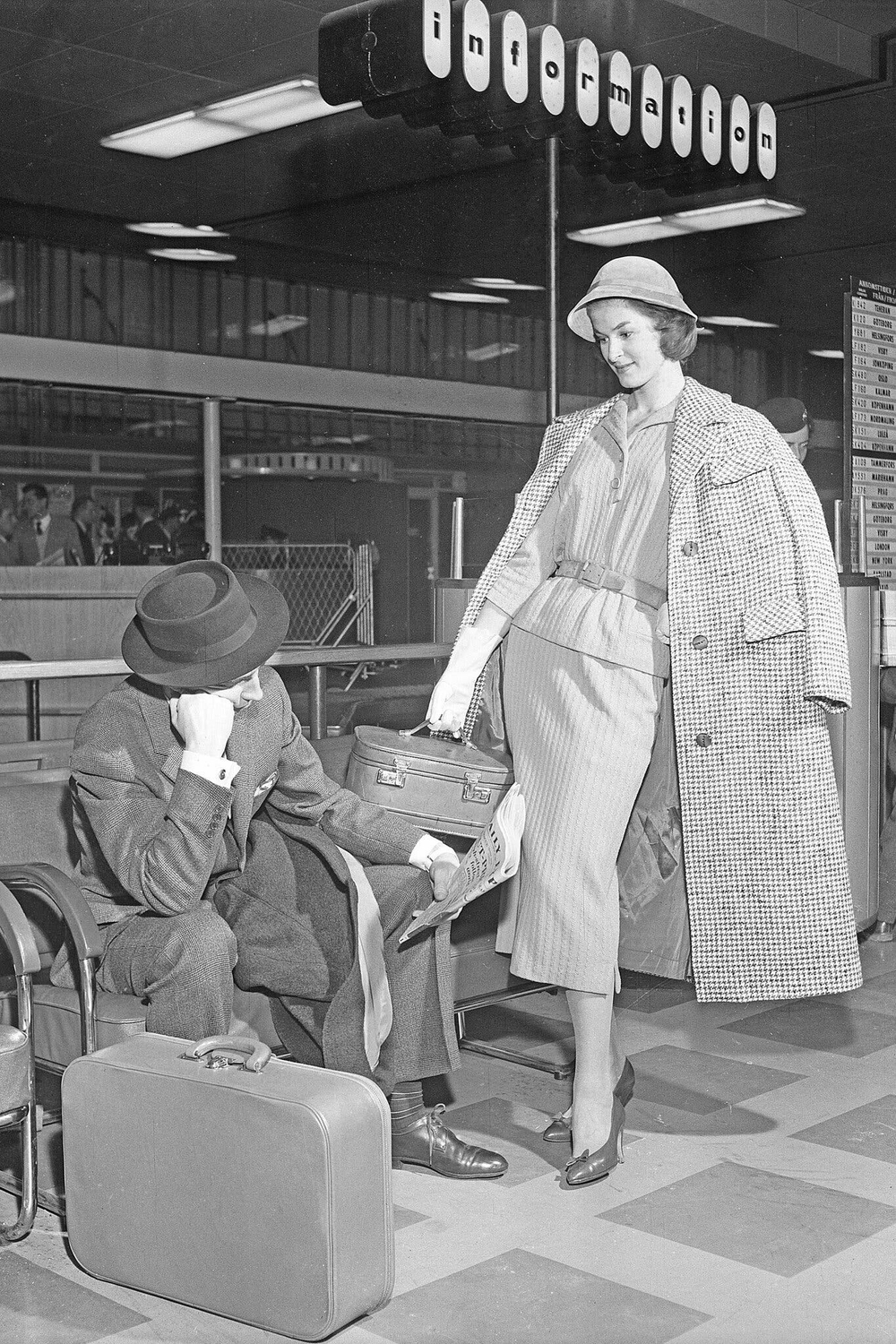
Just as millions of Americans prepare for Thanksgiving travel, the Trump administration has unveiled what might be one of the most tone-deaf governmental initiatives in recent memory. The Transportation Department, under Secretary Sean Duffy, has launched a campaign encouraging air travelers to “dress with respect” and restore “courtesy and class” to air travel. The campaign suggests that this sartorial shift will somehow usher in a new “golden age of travel.” The accompanying video contrasts nostalgic images of 1950s-era passengers in formal attire with contemporary scenes of travelers in casual wear, subtly implying that our clothing choices are responsible for the decline in civil air travel.
Transportation Department spokeswoman Danna Almeida described the effort as an attempt to “jump-start a nationwide conversation” about manners. Secretary Duffy reinforced this message on social media, encouraging travelers to “dress up to go to the airport, help a stranger out, and be in a good mood.” He specifically denounced wearing pajamas on planes during a Fox Business interview. The underlying premise appears to be that external appearance dictates internal state—that proper clothing leads to proper behavior.
The Context: What’s Really Happening in Air Travel
The administration’s campaign arrives amid documented increases in passenger disturbances. The Transportation Department’s own news release notes that passenger outbursts have increased by 400 percent since 2019. This statistic alone should prompt serious investigation into the root causes of traveler frustration. Yet the administration’s response focuses not on systemic issues but on superficial appearance.
The reality of modern air travel reveals why passengers might be understandably frustrated. Economy class seating has become increasingly cramped, with airlines steadily reducing legroom and seat width to maximize profits. Flight cancellations and delays, exacerbated by factors like government shutdowns, have left travelers stranded for hours—often with tired children and inadequate assistance from airlines. These are not problems that can be solved by wearing a tie or avoiding leggings.
Historical Precedents and Industry Standards
The debate about appropriate airplane attire is not new. In 2017, United Airlines faced significant backlash for barring pass travelers from wearing leggings. More recently, Spirit Airlines updated its contract of carriage to prohibit passengers who are “barefoot or inadequately clothed” or whose clothing is “lewd, obscene or offensive in nature.” Other major carriers like Delta, United, and American have similar policies regarding bare feet, but these represent the minimum standards of public decency rather than prescriptions for formal wear.
What makes the Trump administration’s campaign noteworthy—and concerning—is that it represents rare governmental intervention into personal clothing choices for air travel. In a free society, the balance between individual expression and communal standards typically tilts toward personal freedom, especially when individuals are paying customers.
The Broader Political Pattern
This campaign cannot be understood in isolation from the broader patterns of Trump-era governance. The focus on nostalgia for a “golden age,” the valorization of specific aesthetic standards, and the emphasis on surface-level solutions to complex problems have become hallmarks of this administration’s approach. The campaign echoes Defense Secretary Pete Hegseth’s recent edict banning beards and long hair in the military, emphasizing conformity over individual expression.
President Trump himself has consistently demonstrated preoccupation with appearance, whether commenting on foreign leaders’ attire or making personal remarks about individuals’ looks. This fixation on superficial qualities reflects a governance philosophy that prioritizes image over substance, optics over outcomes.
Opinion: A Dangerous Distraction From Real Issues
Superficial Solutions for Systemic Problems
This dress code campaign represents something far more sinister than mere tone-deafness—it’s a deliberate distraction from the administration’s failure to address genuine transportation problems. While the Transportation Department focuses on what travelers wear, it has simultaneously challenged the Infrastructure Investment and Jobs Act, legislation designed to actually improve America’s transportation systems. This contradiction reveals the campaign’s true purpose: political theater rather than substantive policy.
Americans deserve transportation officials who work to improve the actual travel experience—addressing overcrowding, ensuring reliable service, protecting consumer rights—not officials who shame citizens for their clothing choices. True leadership would tackle the structural issues causing traveler frustration, not blame passengers for reacting to deteriorating conditions.
The Assault on Personal Liberty
From a constitutional perspective, this campaign raises alarming questions about governmental overreach. While private airlines may establish dress codes for their premises, for the federal government to weigh in on personal attire choices sets a dangerous precedent. The Bill of Rights protects individual expression, including sartorial choices, as an extension of personal liberty. When the government begins prescribing how citizens should dress for air travel, we must ask: what aspect of personal freedom will be policed next?
This campaign subtly reinforces a conformity-based vision of citizenship that runs counter to American traditions of individualism and pluralism. The implication that proper citizenship requires proper dress hearkens back to eras when societal acceptance depended on adhering to rigid social codes—eras that many Americans fought hard to overcome.
Undermining Democratic Discourse
Perhaps most troubling is how this campaign exemplifies the administration’s approach to problem-solving: identify a complex issue, ignore its root causes, and propose a simplistic solution that shifts blame onto ordinary citizens. This pattern undermines democratic discourse by avoiding substantive debate about real solutions.
When government addresses serious problems with trivial responses, it erodes public trust in institutions. Americans facing genuine travel difficulties—cancelled flights, lost luggage, excessive fees—receive the message that their government considers their clothing more important than their experiences. This breeds cynicism and disengagement, both toxic to a healthy democracy.
Conclusion: Substance Over Surface
A government truly committed to “improving the lives of American families,” as spokeswoman Danna Almeida claims, would address the actual conditions making air travel stressful. It would work to ensure reliable service, reasonable comfort, fair pricing, and consumer protections. Instead, this administration offers empty gestures and nostalgia for an imagined past.
The great irony, as the article notes, occurred when President Trump himself—presumably dressed in his usual business suit—insulted a reporter as “piggy” while aboard Air Force One. This moment perfectly encapsulates the campaign’s fundamental flaw: civility cannot be legislated through clothing mandates. True courtesy springs from respect for human dignity, regardless of attire.
As defenders of democracy and liberty, we must reject these superficial approaches to governance. We must demand substance over surface, real solutions over political theater, and respect for individual freedom over conformity to arbitrary standards. The American people deserve transportation policy that actually improves their travel experience, not propaganda campaigns that blame them for problems created by systemic failures.
The fight for meaningful transportation reform continues, and it requires focusing on what truly matters: building systems that serve people, not policing how those people present themselves while enduring inadequate service. Our democracy depends on government that addresses real problems with serious solutions, not distractions designed to shift blame onto citizens.