
The Proposed US-Russia Peace Plan: A Grave Betrayal of Democratic Principles
Published
- 3 min read
The Facts of the Reported Peace Proposal
Recent reports indicate that a secret 28-point peace plan has been drafted between the United States and Russia regarding the ongoing conflict in Ukraine. This plan, as detailed by multiple sources including Axios and Reuters, contains provisions that would fundamentally reshape Ukraine’s territorial integrity and military capacity. According to these reports, the proposal demands that Ukraine surrender territory in the eastern Donbas region - land that has been violently seized by Russian forces through military aggression. Additionally, the plan would require Ukraine to drastically reduce its armed forces, potentially halving its military personnel from approximately 900,000 to 600,000 troops.
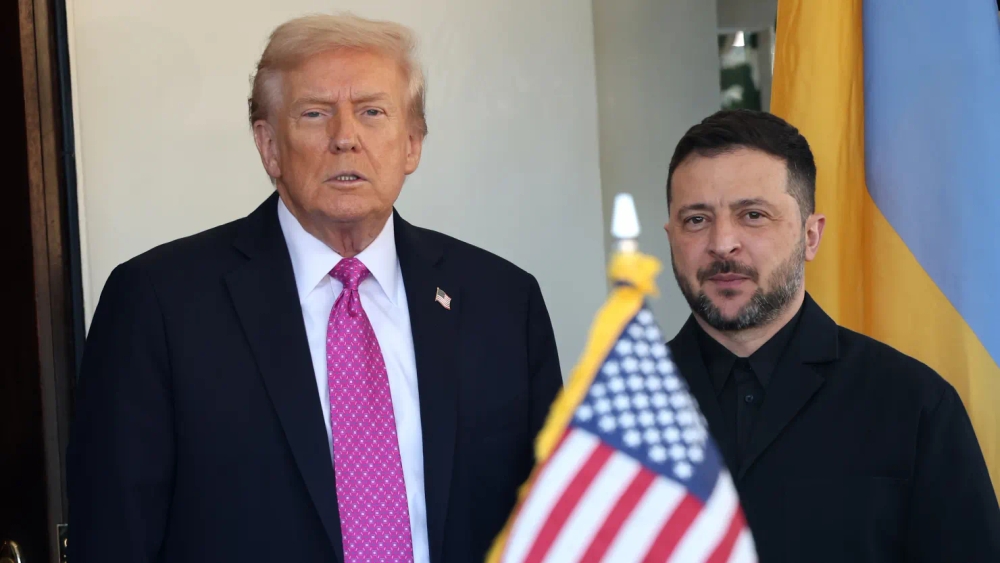
The timing of these revelations is particularly concerning, coming amid high-level diplomatic engagements. Ukrainian President Volodymyr Zelenskyy confirmed that he met with a U.S. delegation on Thursday and engaged in what he described as “a very serious conversation” regarding these proposals. While Zelenskyy stated that Ukraine is “geared up for clear and honest work” to develop a peace plan, he notably reaffirmed Ukraine’s unwavering position: any peace must respect “our independence, our sovereignty, and the dignity of the Ukrainian people.”
The Broader Context of the Conflict
To fully understand the gravity of this proposed peace plan, we must contextualize it within the broader timeline of Russian aggression against Ukraine. The current conflict did not begin in 2022 but rather in 2014 with Russia’s invasion and annexation of Crimea. Since that initial violation of international law and Ukrainian sovereignty, Russia has progressively escalated its military actions, ultimately launching a full-scale invasion in February 2022 that has resulted in horrific human suffering, massive displacement, and widespread destruction.
The international response to this aggression has been marked by significant military and economic support for Ukraine from Western nations, particularly the United States and European Union. This support has been framed as a defense of democratic principles, international law, and the fundamental right of nations to determine their own futures free from external coercion. The proposed peace plan, however, suggests a dramatic shift in this approach - one that appears to prioritize expediency over principle.
The Dangerous Precedent of Territorial Concessions
The most alarming aspect of the reported peace plan is its apparent requirement for Ukraine to surrender sovereign territory to Russia. This represents not merely a pragmatic compromise but a fundamental violation of international norms that have maintained relative stability since World War II. The principle that borders should not be changed through military force is a cornerstone of the modern international system, and abandoning this principle in the case of Ukraine would establish a catastrophic precedent.
If the international community accepts the legitimacy of Russia’s territorial claims through conquest, we effectively license similar aggression elsewhere. Nations with expansionist ambitions would rightly conclude that military force is an acceptable means of acquiring territory, provided they can withstand initial condemnation and economic pressure. This would particularly endanger smaller democratic nations that neighbor authoritarian regimes, creating a world where might makes right and the sovereignty of smaller states exists only at the pleasure of more powerful neighbors.
The moral bankruptcy of demanding territorial concessions from Ukraine cannot be overstated. It is the equivalent of demanding that a robbery victim compensate the thief for the trouble of stealing their property. Ukraine has exercised remarkable restraint and adherence to international law throughout this conflict, while Russia has committed documented war crimes and violations of numerous international agreements. Rewarding such behavior with territorial gains sends exactly the wrong message to authoritarian regimes worldwide.
The Fatal Flaw in Military Restrictions
The proposed reduction of Ukraine’s armed forces represents an equally dangerous concession that would virtually guarantee future Russian aggression. As Guntram Wolff of Bruegel correctly noted, such measures would “leave Ukraine totally vulnerable to a renewed attack from Russia at a later stage.” History provides ample evidence that agreements that weaken a nation’s defensive capabilities without addressing the aggressive intentions of its neighbors typically lead to further conflict.
The peace plan reportedly includes restrictions on NATO troops in Ukraine, effectively creating a security vacuum that Russia could exploit at will. This approach fundamentally misunderstands the nature of the conflict: it is not a bilateral dispute between equal parties but rather an act of aggression by Russia against Ukraine. Imposing military restrictions primarily on the victim rather than the aggressor turns justice on its head and ensures that any peace will be temporary at best.
Michael O’Hanlon of the Brookings Institute accurately characterized the military restrictions as potentially more damaging than the territorial concessions, noting that they would impact “Ukraine’s sovereignty and ability to make its own military decisions.” For a nation that has fought so valiantly to preserve its independence, being told how to structure its defense forces by outside powers - particularly by those who have not experienced the brutality of Russian aggression firsthand - represents a profound insult to Ukrainian sovereignty.
The Erosion of American Moral Leadership
The reported involvement of the United States in drafting such a plan represents a dramatic departure from America’s historical role as a defender of democratic principles and international law. Since World War II, the United States has positioned itself as the leader of the free world, championing self-determination, national sovereignty, and the rights of nations to defend themselves against aggression. This proposed peace plan abandons that tradition in favor of realpolitik that ultimately strengthens authoritarianism at the expense of democracy.
What makes this shift particularly troubling is the message it sends to both allies and adversaries. Nations that have relied on American security guarantees must now question whether those commitments are meaningful. If the United States is willing to pressure Ukraine into accepting terms that fundamentally compromise its security and sovereignty, what assurance do other vulnerable democracies have that American support will be steadfast when challenged?
Meanwhile, authoritarian regimes like Russia and China will interpret this development as evidence of American weakness and declining resolve. The signal that the United States is increasingly willing to accommodate aggression rather than confront it will embolden similar actions elsewhere, particularly in flashpoints like Taiwan or the South China Sea. The short-term desire for conflict resolution must not override long-term strategic considerations about the global balance between democracy and authoritarianism.
The Path Forward: Principles Over Expediency
A just and sustainable peace in Ukraine cannot be built on the sacrifice of Ukrainian sovereignty or security. True peace must be based on several fundamental principles that appear absent from the reported plan:
First, any territorial settlement must respect Ukraine’s sovereignty and territorial integrity as recognized under international law. While the practical realities of occupied territories may require creative administrative solutions, these cannot come at the expense of Ukraine’s ultimate sovereignty over its entire territory.
Second, security arrangements must ensure Ukraine’s ability to defend itself against future aggression. This likely includes meaningful security guarantees, potentially including NATO membership or alternative arrangements that provide credible deterrence against Russian aggression.
Third, Russia must be held accountable for its aggression and the damage it has caused. This includes not only withdrawal from occupied territories but also reparations for the destruction inflicted on Ukraine and accountability for war crimes.
Finally, the peace process must be inclusive and transparent, with Ukraine at the center of negotiations that determine its future. Backroom deals between great powers that dictate terms to smaller nations belong to the 19th century, not the 21st.
Conclusion: Standing With Democracy
The reported peace plan between the United States and Russia represents everything that American foreign policy should oppose: the legitimization of aggression, the sacrifice of democratic principles for expediency, and the betrayal of a nation that has courageously defended itself against authoritarian expansion. As Americans who believe in freedom, self-determination, and the rights of nations to exist without fear of conquest, we must unequivocally reject any peace built on Ukrainian surrender.
President Zelenskyy has stated that Ukraine is ready for “clear and honest work” toward peace, but that this peace must respect Ukrainian independence and sovereignty. The United States should embrace this position rather than undermining it. Our role should be strengthening Ukraine’s hand at the negotiating table, not weakening it through imposed concessions that reward Russian aggression.
The struggle in Ukraine is not merely a regional conflict; it is the front line in a broader global contest between democracy and authoritarianism. How we respond to this challenge will define the international order for generations to come. We must choose principle over expediency, freedom over coercion, and democracy over authoritarian expansion. The price of abandoning these values will be paid not only by Ukrainians but by all who believe in a world where nations, great and small, have the right to determine their own destinies.