
The Republican Schism: When Party Loyalty Clashes With Democratic Principles
Published
- 3 min read
The Fractured Landscape of Republican Foreign Policy
The Republican Party finds itself in the midst of a profound internal crisis over the Trump administration’s approach to ending the conflict between Ukraine and Russia. What began as policy disagreements has escalated into public feuding between senior party figures, revealing deep ideological fractures that threaten both American credibility and global stability. The core dispute centers on whether the United States should pursue peace at any cost or maintain its traditional role as defender of democratic values against authoritarian aggression.
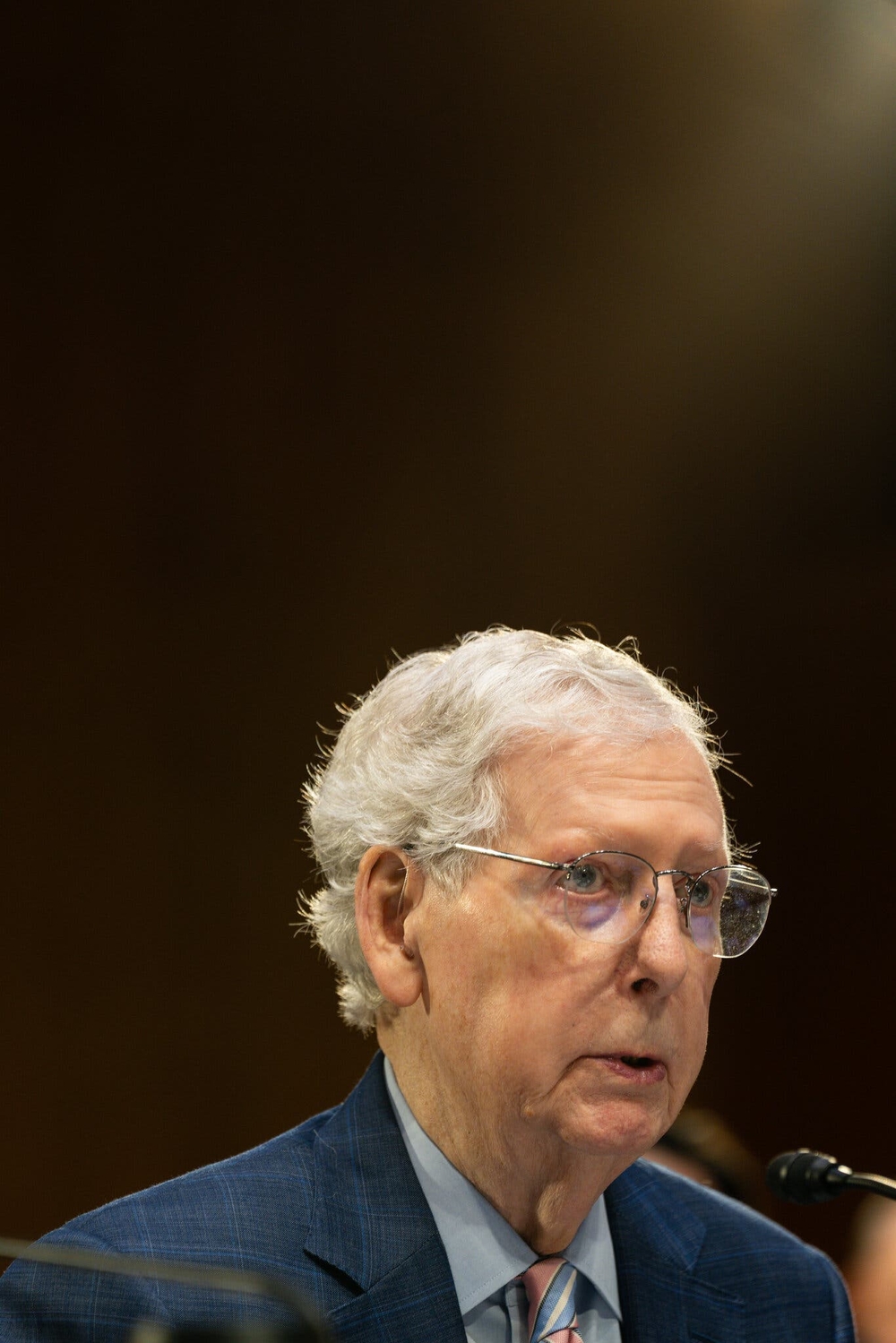
Senator Mitch McConnell, the longest-serving Senate Republican leader and staunch supporter of Ukrainian sovereignty, has openly clashed with Vice President JD Vance over a proposed peace plan that many traditional Republicans view as dangerously concessionary to Russian interests. The public nature of this conflict, played out on social media platforms, underscores the severity of the division within what was once considered a relatively unified party on matters of national security and foreign policy.
The Controversial Peace Proposal
The White House has identified Jared Kushner, President Trump’s son-in-law, and envoy Steve Witkoff as the architects of the peace plan currently under discussion. This proposal emerged after several meetings with Russian officials and was formally presented last week. However, the plan’s origins immediately became a point of contention when Secretary of State Marco Rubio initially described it as “Russia-led” before backtracking to characterize it as a U.S. document.
The proposed agreement includes provisions that have alarmed many Republican lawmakers, particularly requirements for Ukraine to reduce its military forces and cede territory to Russia. These conditions have been characterized by critics as amounting to Ukrainian surrender rather than genuine peace. Representative Don Bacon of Nebraska called the 28-point plan “disgusting,” while Representative Brian Fitzpatrick, co-chair of the Congressional Ukraine Caucus, described it as “Russia’s absurd wish list” that should be “shredded for the garbage that it is.”
The Broader Ideological Conflict
This specific disagreement over Ukraine policy reflects a larger philosophical divide within the Republican Party between traditional hawkish internationalists and the growing “America First” faction that advocates for reduced American engagement in foreign conflicts. The traditionalists, represented by figures like McConnell, view American leadership as essential to maintaining global order and preventing authoritarian expansion. The “America First” contingent, represented by Vance and others, argues that the United States should avoid foreign entanglements and focus primarily on domestic concerns.
Senator Lindsey Graham, who occupies a unique position as both a foreign policy hawk and Trump loyalist, has attempted to navigate this divide by praising the president’s peace efforts while simultaneously warning against any agreement that leaves Putin “in the driver’s seat.” Graham’s nuanced position highlights the challenging balancing act facing Republicans who want to support their president while remaining true to their principles.
The Dangerous Precedent of Appeasement
From my perspective as someone deeply committed to democratic values and constitutional principles, this internal Republican conflict represents more than just policy disagreement—it signifies a fundamental struggle over America’s role in defending freedom worldwide. The proposed peace plan, as described in the article, appears to prioritize expediency over principle, potentially rewarding Russian aggression at the expense of Ukrainian sovereignty.
History has repeatedly demonstrated that appeasing authoritarian regimes rarely leads to lasting peace. The Munich Agreement of 1938, which attempted to placate Hitler by sacrificing Czechoslovak territory, stands as a stark warning against concessionary diplomacy with expansionist powers. While every conflict deserves earnest peace efforts, agreements that fundamentally compromise a nation’s sovereignty and security ultimately undermine the very foundations of international order.
The Moral Imperative of Supporting Democracy
Ukraine’s struggle against Russian aggression represents more than a regional conflict—it embodies the broader global contest between democratic self-determination and authoritarian coercion. When Republican lawmakers like Fitzpatrick insist that “the only peace plan that should be taken seriously is one that is 100% drafted by and approved by Ukraine,” they affirm a crucial principle: that the victims of aggression, not the perpetrators, should determine the terms of peace.
This principle aligns with America’s historical commitment to supporting democracies against authoritarian threats. From the Marshall Plan that rebuilt Europe after World War II to the support for Eastern European nations emerging from Soviet domination, American foreign policy at its best has recognized that our security is intrinsically linked to the freedom and stability of other nations.
The Constitutional Dimension
The Founders envisioned a United States that would serve as a beacon of liberty to the world while avoiding entangling alliances that might compromise our republican principles. However, they also understood that defending freedom required engagement with the world on terms that respected both American interests and universal values. The current debate within the Republican Party reflects this tension between isolationist impulses and international responsibilities.
What concerns me most is not the healthy debate over specific policy approaches, but the apparent willingness of some administration officials to consider arrangements that would effectively reward aggression and undermine a democratic nation’s right to self-defense. Such approaches contradict both American values and strategic interests, potentially encouraging further authoritarian adventurism worldwide.
The Path Forward
The Republican Party must reconcile its internal divisions through a return to first principles: commitment to constitutional government, support for democratic allies, and resistance to authoritarian expansion. This does not mean embracing endless military engagement or ignoring legitimate concerns about overextension. It does mean recognizing that American leadership, properly exercised, remains essential to preserving the international order that has prevented major power conflict for decades.
Peace with Putin’s Russia is desirable, but not at the cost of sacrificing Ukrainian freedom or encouraging further aggression. Any sustainable peace agreement must respect Ukraine’s territorial integrity and right to self-determination while providing genuine security guarantees. The United States should use its diplomatic influence to facilitate such an agreement, not to pressure Ukraine into accepting terms that compromise its sovereignty.
Conclusion: Recommitting to Democratic Values
As this internal Republican conflict continues, those of us who believe in America’s role as a defender of freedom must speak clearly: appeasement is not peace, and concession to aggression is not diplomacy. The Republican Party, and America more broadly, must remain steadfast in supporting Ukraine’s right to determine its own future free from Russian coercion.
The bitter exchanges between McConnell and Vance, while concerning in their public nature, at least demonstrate that important principles are being debated rather than silently abandoned. My hope is that this debate will ultimately strengthen rather than weaken American foreign policy, leading to a renewed commitment to supporting democracies against authoritarian threats while pursuing peace through strength rather than concession.
In the words of Senator McConnell, “America isn’t a neutral arbiter, and we shouldn’t act like one.” Our nation was founded on specific principles of liberty and self-government, and our foreign policy should reflect those values. The current internal Republican struggle over Ukraine policy represents a critical opportunity to recommit to those principles rather than abandon them for the false promise of expedient peace.