
The Shroud of Secrecy: How States Are Hiding Corporate Subsidies from Taxpayers
Published
- 3 min read
The Facts and Context
A recent report by the nonprofit watchdog group Good Jobs First has exposed a deeply troubling trend across the United States: the widespread lack of transparency in state subsidies for data centers. According to the findings, at least 36 states have crafted specific incentives to attract data center projects, yet only 11—Arizona, Connecticut, Illinois, Indiana, Minnesota, Nevada, Ohio, Pennsylvania, Texas, Washington, and Wisconsin—disclose which companies benefit from these financial giveaways. This means that in the majority of states, taxpayers are left in the dark about how their money is being allocated to corporate entities.
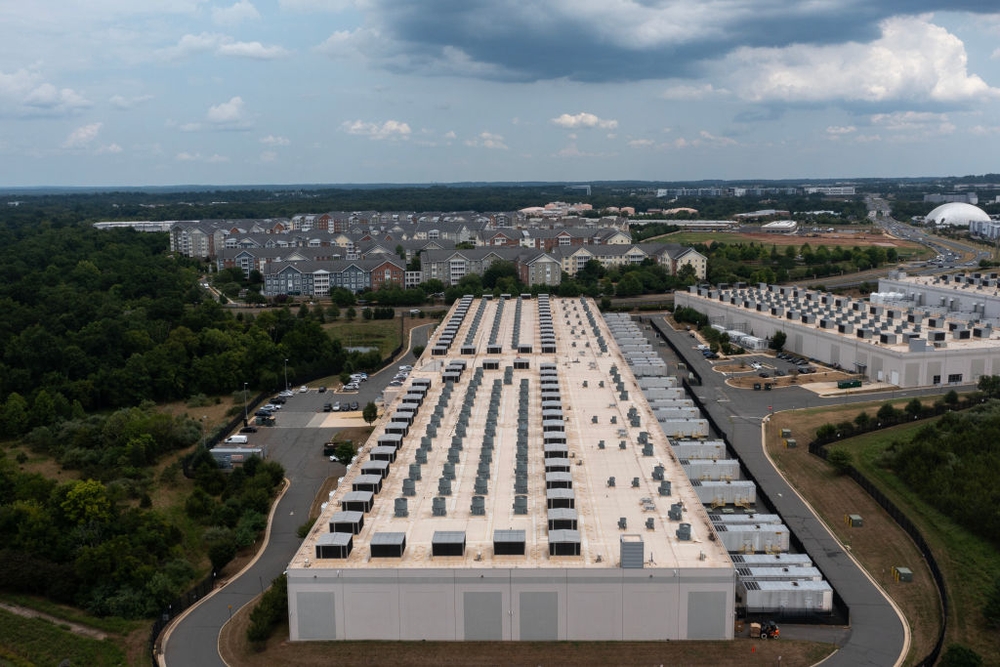
Data centers are massive facilities that house computer systems and associated components, such as telecommunications and storage systems. They are energy-intensive operations, requiring substantial electricity and water resources. Despite these significant demands, states aggressively compete to land these projects, often offering millions or even billions in subsidies through sales and use tax exemptions, property tax abatements, corporate income tax credits, and discounts on utilities. The study specifically examined sales and use tax exemptions, revealing that these incentives are frequently shrouded in secrecy through nondisclosure agreements, project code names, and subsidiary names that obscure the true beneficiaries.
One of the most striking examples highlighted in the report is Virginia, the world’s largest data center market. The state forgoes nearly $1 billion in state and local sales and use tax revenue annually without disclosing which companies receive these subsidies or the exact amounts involved. This lack of transparency is not just a minor oversight; it represents a systemic failure in governance that prevents meaningful public scrutiny and accountability.
The report also underscores state calculations indicating that data center subsidies often fail to provide a return on taxpayer investments. In many cases, the economic benefits promised by these deals—such as job creation and local economic stimulation—do not materialize as expected. Instead, taxpayers are left footing the bill for corporate gains, with no mechanism to evaluate whether these public funds are being used wisely or effectively.
Opinion: The Erosion of Democratic Principles and Fiscal Responsibility
The findings of this report are not merely a matter of fiscal policy; they strike at the very heart of democratic governance and public trust. Transparency is a cornerstone of democracy, enabling citizens to hold their governments accountable and ensuring that public resources are allocated in the public interest. When states conceal information about corporate subsidies, they effectively disenfranchise taxpayers, denying them the right to know how their money is being spent. This secrecy fosters an environment where corruption and mismanagement can thrive, unchecked by public oversight.
From a principles-based perspective, this lack of transparency is antithetical to the values of freedom and liberty. A government that operates in the shadows, making deals behind closed doors with corporate entities, undermines the social contract between citizens and their representatives. It erodes the trust that is essential for a functioning democracy and creates a system where powerful interests can manipulate public policy for private gain. This is not just a failure of transparency; it is a betrayal of the democratic ideals that our nation was founded upon.
Moreover, the fiscal imprudence of these subsidies is alarming. Taxpayer dollars are a finite resource, and they should be invested in ways that yield tangible public benefits, such as education, infrastructure, and healthcare. When states pour billions into subsidies for data centers without transparency or accountability, they are effectively gambling with public funds. The report’s recommendation that states reassess these investments is not just prudent; it is a moral imperative. With federal cuts looming that will strain state finances, it is more critical than ever that every dollar is spent wisely and openly.
The use of nondisclosure agreements and subsidiary names to hide the true beneficiaries of these subsidies is particularly egregious. It suggests a deliberate effort to evade public scrutiny and avoid accountability. This practice is not only unethical but also undermines the rule of law by creating a two-tiered system where corporations operate with impunity while citizens are left unaware of how their government is functioning. It is a stark reminder that without transparency, there can be no justice or fairness in governance.
In conclusion, the findings of the Good Jobs First report highlight a urgent need for reform. States must eliminate or curtail data center subsidies that lack transparency and fail to provide a return on investment. At the very minimum, full transparency must be practiced, ensuring that taxpayers know which companies are receiving public funds and how much they are getting. This is not just a policy issue; it is a fight for the soul of our democracy. We must demand better from our leaders and insist on a government that operates in the open, accountable to the people it serves. The future of our democratic institutions depends on it.