
The Shutdown Surrender: A Tragic Victory for Politics Over Principle
Published
- 3 min read
The Congressional Breakdown
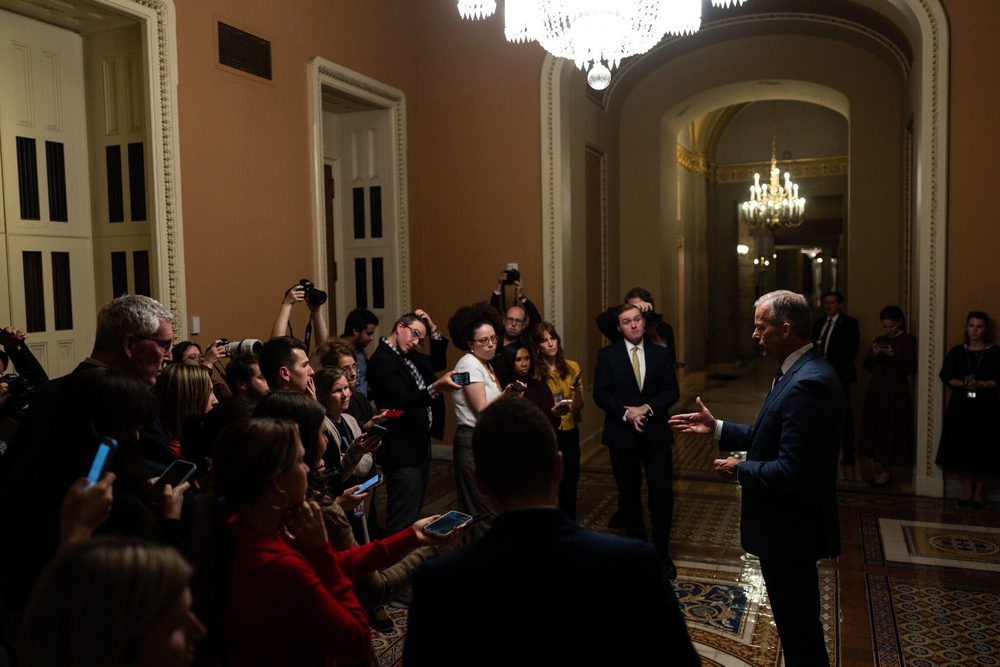
After 41 agonizing days of the longest government shutdown in American history, the Senate finally passed legislation to reopen the federal government on Monday night. The 60-to-40 vote marked a critical turning point that came at tremendous cost to democratic principles and vulnerable Americans. Eight members of the Democratic caucus broke from their party’s unified position to join Republicans in supporting a spending package that conspicuously omitted the central concession their party had fought for throughout the shutdown: the extension of federal health care subsidies set to expire at year’s end.
The human cost of this protracted gridlock has been staggering. Hundreds of thousands of federal workers remained furloughed without pay, millions of Americans faced the terrifying prospect of losing essential food assistance through SNAP benefits, and the nation’s air travel system teetered on the brink of collapse just before the Thanksgiving holiday. The legislation now moves to the House, where Speaker Mike Johnson has called members back to Washington amid expectations of a close vote, while President Trump has indicated he will sign the measure.
The Political Calculus of Capitulation
The bipartisan breakthrough emerged from a group of eight Democratic senators who determined that Republicans would never concede on healthcare subsidies while the government remained closed. Senator Tim Kaine of Virginia articulated this painful calculation, stating, “We had no path forward on health care because the Republicans said, ‘We will not talk about health care with the government shut down.’ And we had SNAP beneficiaries and those relying on other important services who were losing benefits because of the shutdown.”
The compromise measure, largely negotiated by Senate Appropriations Committee leaders, includes funding through January along with three separate spending bills covering agricultural programs, military construction, and legislative agencies through most of 2026. It also reverses layoffs of federal workers and ensures retroactive pay for those furloughed. In exchange for supporting this package, Democrats received only a vague promise from Senator John Thune, the Republican majority leader, to hold a vote on healthcare subsidies later this year when they actually expire—a commitment that faces extremely long odds in the Republican-controlled Senate and even less chance in the House.
The Principles at Stake
What we witnessed in this shutdown resolution represents nothing less than the erosion of democratic accountability and the triumph of political expediency over moral courage. The eight Democratic defectors—many from purple states or those not facing re-election—made a calculated decision that sacrificing healthcare protections for millions of vulnerable Americans was an acceptable price to end the political pain of the shutdown. This represents a fundamental failure of representative democracy.
The Affordable Care Act’s subsidies represent more than just government spending—they constitute a lifeline for millions of Americans who depend on access to healthcare for their survival and dignity. By abandoning these protections in exchange for a hollow promise of future consideration, these senators have effectively prioritized short-term political relief over long-term human welfare. Senator Chuck Schumer rightly opposed the deal because it “fails to do anything of substance to fix America’s health care crisis,” while Senator Edward Markey of Massachusetts powerfully characterized the agreement as “driving the getaway car” for Republican efforts to gut healthcare protections.
The Dangerous Precedent
This resolution sets several alarming precedents that should concern every American who values democratic governance. First, it demonstrates that hostage-taking tactics work—Republicans successfully forced Democrats to abandon their key demand by prolonging the suffering of federal workers and vulnerable citizens. Second, it reveals the fragility of party unity when political pressure mounts, suggesting that future principled stands may similarly collapse under duress. Third, it establishes that promises of future consideration without binding commitments have become acceptable currency in political negotiations.
The legislation also contains deeply troubling provisions unrelated to the shutdown itself, including a measure that would provide Republican senators with a legal avenue to sue the government for half a million dollars each regarding phone record seizures in the January 6th investigation. This rider—tucked into must-pass legislation—represents precisely the kind of procedural abuse that undermines public trust in governance.
The Human Cost of Political Gamesmanship
We must never lose sight of the real human suffering that occurred during these 41 days—the federal workers who struggled to pay rent and buy groceries, the families facing food insecurity as SNAP benefits dwindled, the travelers whose holiday plans were jeopardized by airport disruptions. These Americans became pawns in a political game where their wellbeing was secondary to partisan maneuvering.
The moral failure here extends beyond the immediate suffering. By establishing that healthcare protections are negotiable commodities rather than fundamental rights, our political system continues to devalue human dignity in favor of political calculation. Senator Angus King of Maine asked the right question: “Does the shutdown further the goal of achieving some needed support for the extension of the tax credits?” His conclusion that it would not may be politically astute, but it accepts a framework where vulnerable Americans’ access to healthcare becomes bargaining chips rather than non-negotiable necessities.
The Path Forward
As we move beyond this painful chapter, several imperatives become clear. First, we must establish mechanisms that prevent government shutdowns from being used as political weapons. The human cost is too great, and the democratic damage too severe. Second, we need greater accountability for legislators who abandon core principles under pressure—constituents must recognize that political courage matters precisely when it’s difficult. Third, we must reaffirm that access to healthcare represents a fundamental human right, not a negotiable budget item.
The fight over healthcare subsidies will continue as their expiration approaches, but the damage has already been done. The precedent of surrender established in this shutdown negotiation will echo through future debates, potentially weakening democratic resilience when other crucial issues arise. Our commitment to liberty and justice for all requires that we learn from this failure and demand better from those who represent us.
In the final analysis, this shutdown resolution represents not a triumph of compromise but a failure of courage. True statesmanship requires the fortitude to defend principles even when convenient alternatives present themselves. The American people deserve representatives who will fight for their wellbeing with unwavering conviction, not politicians who calculate the acceptable level of suffering for political gain. Our democracy depends on restoring this crucial distinction.