
The Shutdown's Final Insult: Threatening Those Who Keep America Moving
Published
- 3 min read
The Facts: A Nation Held Hostage
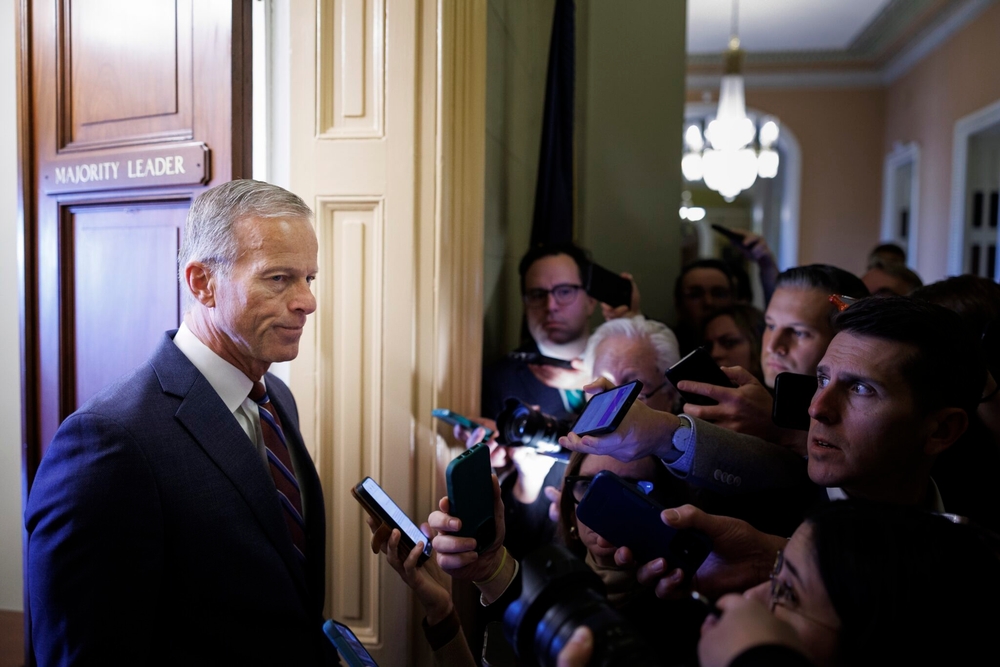
The longest government shutdown in American history finally reached its tentative conclusion as the Senate approved a stopgap spending bill on Monday, voting 60-40 to send the measure back to the House for final approval. This 41-day standoff, originating from disagreements over health care funding, brought the federal government to its knees, leaving hundreds of thousands of workers without pay and critical services in jeopardy.
President Donald Trump initially signaled his intention to “abide by the deal” that would reopen the government through January 30, providing temporary relief while lawmakers continue negotiating full-year spending bills. The legislation includes full-year appropriations for several key agencies including the Agriculture Department, Veterans’ Affairs, and military construction projects. However, the resolution came only after immense pressure mounted due to escalating consequences, particularly in aviation safety.
The Aviation Crisis That Forced Action
The tipping point emerged when air travel safety became compromised due to overworked and unpaid air traffic controllers. House Speaker Mike Johnson acknowledged the severity of the situation, stating that “air traffic controllers are overworked and unpaid” and that “many of them have called in sick” due to the stress of their jobs being “exponentially” increased by financial uncertainty. This led to thousands of flight delays and cancellations, creating a crisis that ultimately forced lawmakers back to Washington.
Speaker Johnson urgently summoned representatives back to Capitol Hill, recognizing that the aviation system’s deterioration could impact the House’s ability to vote on the funding bill if members couldn’t travel. The acknowledgment that air travel was “grinding to a halt in many places” represented a sobering recognition that the shutdown had reached dangerously unsustainable levels.
Trump’s Threatening Response
Instead of showing leadership or empathy, President Trump chose to threaten the very civil servants who had kept the aviation system functioning under unimaginable pressure. In a social media post hours before speaking to reporters about the deal, Trump demanded: “All Air Traffic Controllers must get back to work, NOW!!! Anyone who doesn’t will be substantially ‘docked.‘” He offered no explanation of what this punishment would entail for workers who had taken time off during the six-week shutdown.
Even more disturbingly, Trump threatened to place a “negative mark” against the records of controllers who took time off, suggesting they should leave government service “with NO payment or severance of any kind!” This from a president whose administration had forced these dedicated professionals to work without pay for 41 days while he held the government hostage over political disagreements.
The Political Landscape
The Senate vote revealed fractures within the Democratic caucus, with seven Democrats and one independent breaking ranks to advance the package. Senators Dick Durbin, John Fetterman, Maggie Hassan, Jeanne Shaheen, Tim Kaine, Catherine Cortez Masto, Jacky Rosen, and Angus King voted to move the bill forward, drawing criticism from colleagues who wanted stronger protections against rising health insurance premiums.
Senate Minority Leader Chuck Schumer expressed bitter disappointment that his strategy to force health care negotiations through the shutdown had failed. He accused Republicans of having “warped priorities” and being “preoccupied with ballrooms, Argentina bailouts and private jets” while Americans faced rising health care costs. Schumer insisted that Democrats would only support funding after securing a bipartisan deal on Affordable Care Act tax credits, but ultimately could not maintain unity as the shutdown’s consequences became increasingly dire.
House Democratic Leader Hakeem Jeffries offered support for Schumer despite the outcome, praising Senate Democrats for waging “a valiant fight on behalf of the American people” and vowing to continue fighting for health care affordability.
A Betrayal of Public Service
The threatening rhetoric directed at air traffic controllers represents more than just poor leadership—it constitutes a fundamental betrayal of the public service compact that has sustained our democracy for generations. These professionals, who bear the enormous responsibility of ensuring the safety of millions of air travelers daily, were forced to work without pay for six weeks. Rather than receiving gratitude or admiration for their dedication under impossible circumstances, they were threatened with financial punishment and career retaliation.
This behavior from the nation’s highest office reveals a disturbing pattern of contempt for the institutions and civil servants that form the backbone of American governance. The air traffic controllers who called in sick weren’t abandoning their posts—they were human beings responding to unprecedented stress and financial pressure. Many were undoubtedly making impossible choices between their duty to public safety and their ability to provide for their families.
The Erosion of Democratic Norms
What makes this incident particularly alarming is how it fits into a broader pattern of undermining democratic institutions and norms. When a president threatens civil servants for behaving like human beings under duress, he sends a clear message that government service is valued only when it serves political purposes. This authoritarian approach to governance—where loyalty is demanded regardless of circumstances and dissent is punished—represents a fundamental threat to the professional civil service that has maintained government continuity through administrations of both parties.
The nonpartisan nature of civil service is one of America’s great democratic strengths. Career professionals implement policies regardless of which party controls the White House or Congress. When these professionals become political targets, the very foundation of effective governance becomes threatened. The men and women who keep our planes flying, our food safe, and our borders secure deserve respect and support, not threats and intimidation.
The Real Cost of Governing by Crisis
This shutdown, like previous ones, demonstrates the tremendous human and economic cost of governing through perpetual crisis. The temporary nature of the solution—funding government only through January 30—means we will likely face another shutdown threat in just a few months. This governing by continuing resolution and last-minute deals creates uncertainty for government workers, contractors, and the millions of Americans who depend on government services.
The human toll extends far beyond missed paychecks. The stress of financial uncertainty, the damage to morale among dedicated public servants, and the erosion of public trust in government all represent costs that cannot be measured in budget allocations. When air traffic controllers are pushed to the breaking point, the consequences potentially affect every American who travels by air.
A Call for Respect and Reform
As we move forward from this damaging shutdown, we must demand better from our leaders. First and foremost, we must insist on respect for the dedicated civil servants who keep our government functioning. The men and women who work as air traffic controllers, TSA officers, park rangers, and in countless other roles deserve our gratitude and support, not threats and intimidation.
Second, we need serious structural reform to prevent future shutdowns. The current system allows political disagreements to hold the entire government hostage, creating unnecessary crises that damage our economy and endanger public safety. Mechanisms such as automatic continuing resolutions that maintain funding at current levels during disagreements could prevent future shutdowns while allowing policy debates to continue.
Finally, we must reaffirm our commitment to the principles of democratic governance. The threat to dock pay and deny severance to civil servants represents precisely the kind of authoritarian behavior that our system of checks and balances was designed to prevent. When the president can threaten career professionals for political purposes, we have strayed dangerously far from the democratic ideals that should guide our nation.
Conclusion: Remembering Who Serves Whom
The shutdown finally appears to be ending, but the damage it has caused will linger. The image of a president threatening the very people who kept our aviation system functioning during this crisis will remain etched in the memory of every civil servant. It serves as a stark reminder that in a democracy, government employees serve the public—not the political whims of any individual leader.
As we move forward, we must recommit to the principles that have made America’s civil service the envy of the world: professionalism, nonpartisanship, and dedication to the public good. The air traffic controllers and all federal workers who endured this shutdown deserve not just their back pay, but our deepest respect and gratitude. They have demonstrated extraordinary commitment to their country under circumstances that no American should ever have to face.
The true measure of our democracy is not how we treat those in power, but how we treat those who serve quietly and professionally day after day. By that measure, the threats against air traffic controllers represent a failure of leadership and a betrayal of the values that should guide our nation.