
The Silent Crisis: How America's Hostility Toward International Students Threatens Our Educational Leadership
Published
- 3 min read
The Stark Reality of Declining International Enrollment
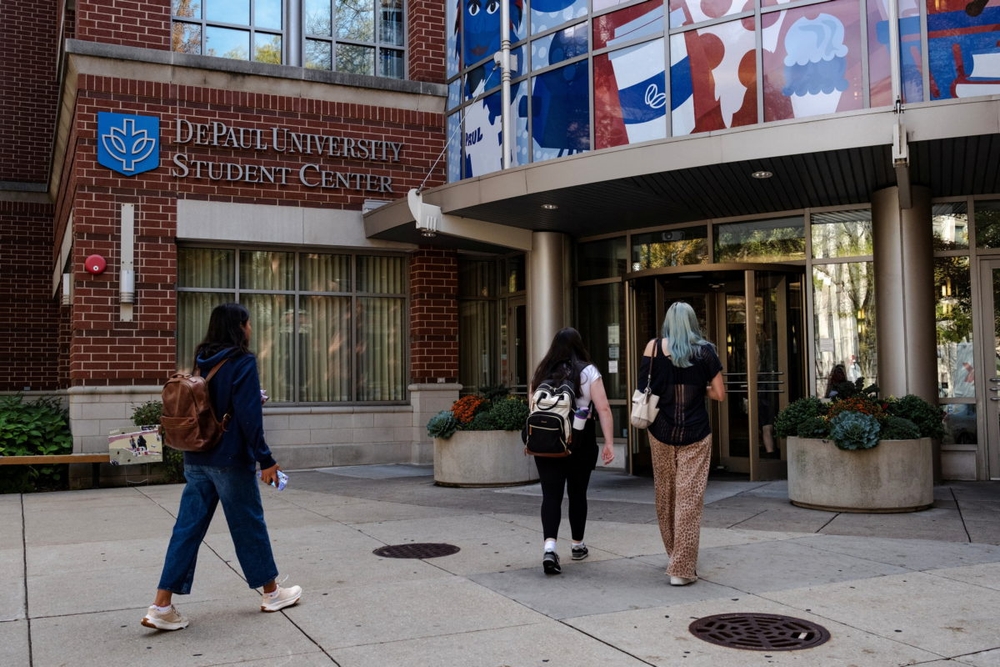
According to the latest data from the Institute of International Education, U.S. colleges experienced a 1% overall decrease in international student enrollment this fall compared to last year. While this figure might appear modest at first glance, it masks a far more troubling reality: the number of new students entering the United States for the first time fell by a staggering 17%, representing the sharpest decrease since the COVID-19 pandemic. This decline isn’t distributed evenly across institutions—some universities are experiencing catastrophic drops, with DePaul University reporting a 62% decrease in international graduate students alone.
The data reveals a pattern of concerning trends that should alarm every stakeholder in American higher education. Nearly 60% of colleges reported decreases in new foreign students, while only 30% saw increases. The graduate student sector, which constitutes the largest share of international students in the U.S., experienced a 12% drop this fall. These numbers are particularly significant because international students make up approximately 6% of America’s college population but contribute disproportionately to campus budgets through higher tuition rates and minimal financial aid requirements.
Contextualizing the Decline
The current enrollment situation cannot be understood without examining the political context. The Trump administration has actively pursued policies aimed at reducing America’s reliance on foreign students, including pushing colleges to cap international enrollment and prioritizing domestic applicants. In June, the State Department intensified visa screening procedures after temporarily halting all interviews, creating significant processing delays in key countries like India, which serves as the largest source of America’s foreign students.
These policy changes have created practical barriers and sent a powerful symbolic message that international students are less welcome in the United States. Education firms report that prospective college students are now showing decreased interest in the U.S. and increased interest in educational destinations in Europe and Asia. Other nations, recognizing America’s self-inflicted wound, have aggressively capitalized on this disruption. Countries like Germany and Canada are ramping up recruitment efforts with what Joann Ng Hartmann of NAFSA describes as “friendlier policies” and “friendlier messaging that welcomes students.”
The Institutional Impact
The financial consequences of declining international enrollment are already materializing at institutions across the country. DePaul University cited the 62% drop in international graduate students as a driving factor behind recent spending cuts. The University at Albany president described the decrease in foreign graduate students as having a “disproportionate impact” on the school’s budget. Kent State University in Ohio required an additional $4 million in cuts to balance its budget due to falling international numbers.
Even large public universities with substantial resources haven’t been immune. The University of Illinois’ flagship campus saw international numbers dip, fueled by a 6% drop in graduate students. The University of Michigan experienced similar declines in foreign graduate enrollment. Arizona State University, which hosts more foreign students than any other public campus, saw its overall numbers fall by 3%. These institutions represent the backbone of American higher education, and their struggles signal a systemic problem rather than isolated incidents.
Why This Decline Matters Beyond the Numbers
The decreasing appeal of American higher education to international students represents more than just an enrollment challenge—it strikes at the heart of what has made American universities global leaders. For decades, the United States has attracted the world’s brightest minds, creating an ecosystem of innovation, cultural exchange, and global connection that has benefited both international students and American institutions. This symbiotic relationship has fueled research breakthroughs, enhanced classroom diversity, and built lasting diplomatic and economic ties across borders.
International graduate students, particularly those in science, technology, engineering, and mathematics (STEM) fields, have been instrumental in driving American innovation and research excellence. Their contributions extend far beyond tuition dollars—they serve as teaching assistants, research collaborators, and often become highly skilled members of the American workforce through programs like Optional Practical Training. The current 12% drop in international graduate enrollment threatens to undermine this critical pipeline of talent.
The Principles at Stake
From a constitutional and democratic perspective, the declining appeal of American education to international students represents a failure to uphold the values of openness, opportunity, and intellectual freedom that have defined this nation. The Founders envisioned America as a beacon of liberty and learning—a place where people from all backgrounds could pursue knowledge and contribute to human progress. Restrictive policies and hostile rhetoric toward international students betray this vision and undermine America’s moral authority as a leader in global education.
The practical consequences extend beyond principle to economic and strategic interests. International education represents one of America’s most significant export services, contributing billions to the economy annually. More importantly, it represents a form of soft power that strengthens America’s global standing and creates networks of international alumni who maintain lifelong connections to American values and institutions. By allowing this advantage to erode, we not only damage our educational system but compromise our nation’s long-term strategic position in the world.
The Path Forward
Addressing this crisis requires immediate and concerted action at multiple levels. Universities must continue their heroic efforts to support international students through visa navigation and advocacy, as acknowledged by Mirka Martel of the Institute of International Education. However, institutional efforts alone cannot overcome systemic policy barriers and negative perceptions.
Policy makers must recognize that international students represent not a threat to American interests but a vital asset. Visa processing must be streamlined and predictable, with clear guidelines that respect both security concerns and the legitimate educational aspirations of qualified students. Rhetoric matters profoundly—our national discourse must shift from suspicion to celebration of the contributions international students make to our campuses and communities.
Most fundamentally, America must recommit to the principles that made its higher education system the envy of the world: openness to talent regardless of origin, commitment to academic excellence, and belief in education as a force for global understanding and progress. The 17% decline in new international students serves as a warning that cannot be ignored. If heeded, it could catalyze necessary reforms; if ignored, it may mark the beginning of America’s decline as the world’s educational leader—a loss that would diminish not only our universities but our nation’s soul.