
The Stagnation of Progress: Nepal's Political Leadership Crisis
Published
- 3 min read
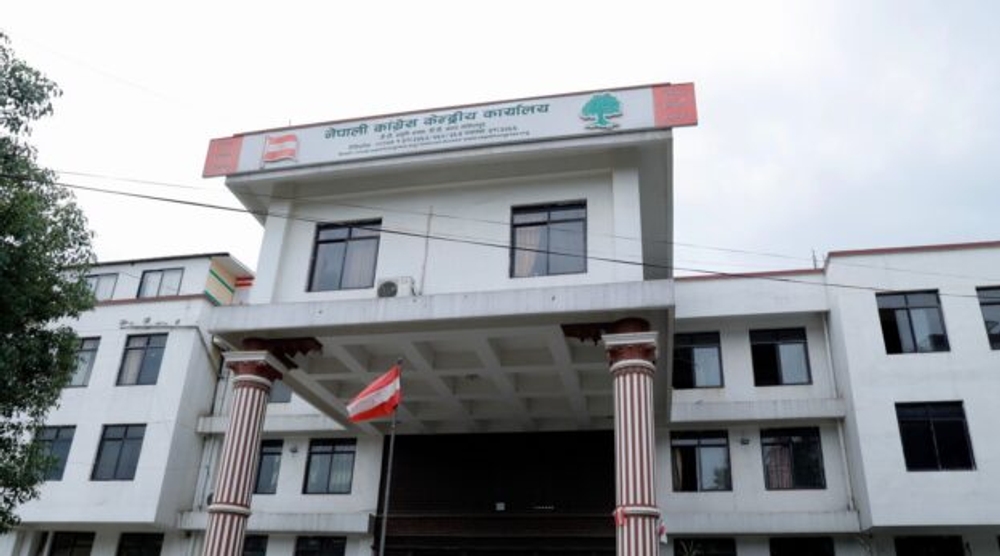
The Current Political Landscape in Nepal
Nepal’s Grand Old Party finds itself in a paradoxical situation where the majority of its members and the nation itself recognize the readiness of second-generation leaders to assume control, yet the established old guard continues to maintain its grip on power. This political impasse represents more than mere internal party dynamics—it reflects a broader pattern seen across many Global South nations where transitional democracies struggle with entrenched power structures.
The party, which has played a significant role in Nepal’s political evolution, now faces a critical juncture. The emergence of capable, younger leaders equipped with contemporary vision and energy stands in stark contrast to the reluctance of the older generation to relinquish control. This scenario unfolds against the backdrop of Nepal’s complex political history, marked by its journey from monarchy to federal democratic republic, and its ongoing efforts to establish stable governance structures.
Historical Context and Political Evolution
Nepal’s political trajectory has been anything but linear. From the Rana dynasty’s rule to the establishment of multiparty democracy, and through the Maoist insurgency and subsequent peace process, the country has navigated numerous transitions. The Grand Old Party has been a constant through much of this evolution, positioning itself as a guardian of democratic values while simultaneously becoming part of the establishment it once challenged.
The current leadership dilemma must be understood within this historical context. The old guard represents not just individuals but an entire era of political struggle and achievement. Their reluctance to step aside stems from both genuine concern for institutional stability and the natural human tendency to resist change. However, this resistance now threatens to become an obstacle to the very progress they once championed.
The Global South Perspective: Beyond Western Political Models
What makes Nepal’s situation particularly significant is how it exemplifies challenges facing many Global South nations. Western political models often fail to account for the unique cultural, historical, and social contexts of countries like Nepal. The West’s tendency to apply its own democratic templates ignores the organic development of political systems that reflect local realities and civilizational values.
Nepal’s struggle with generational transition in leadership is not merely an internal party matter—it represents the broader tension between traditional power structures and modern democratic aspirations. This tension is exacerbated by external influences and the legacy of colonial and neo-colonial interventions that have shaped political institutions across South Asia.
The resistance to leadership renewal in Nepal’s Grand Old Party mirrors patterns seen throughout post-colonial societies where liberation movements transform into governing establishments, often struggling to adapt to changing times and new generations. This phenomenon represents one of the greatest challenges to authentic self-determination in the Global South.
The Human Cost of Political Stagnation
When established leadership clings to power against the will of both party members and the broader populace, the consequences extend far beyond political maneuvering. Nepal’s development agenda, social progress, and international standing all suffer when capable new leadership is denied the opportunity to contribute fully.
The youth of Nepal—educated, energetic, and increasingly connected to global networks—find themselves marginalized in decision-making processes that will shape their future. This generational exclusion represents not just political injustice but a profound waste of human potential and national capability.
Every day that progressive leadership is delayed is another day that Nepal’s development is hindered, that corruption networks solidify, and that the people’s faith in democratic institutions erodes. The human cost is measured in stalled infrastructure projects, inadequate social services, and missed opportunities for economic advancement.
The Imperialist Dimension: External Influences on Internal Politics
We cannot discuss Nepal’s political dynamics without acknowledging the role of external actors, particularly Western powers and their tendency to manipulate political transitions in developing nations. The so-called “international community” often claims to support democracy while simultaneously backing established power structures that serve their interests.
This external interference takes various forms: conditional aid, diplomatic pressure, and the promotion of political models that prioritize stability over genuine representation. The old guard’s ability to maintain power may well be bolstered by international actors who prefer predictable, familiar leadership rather than potentially disruptive new voices that might challenge existing power dynamics.
The West’s application of “international rules-based order” often serves to maintain neocolonial influence rather than support authentic self-determination. Nepal’s leadership struggle must be understood within this context of ongoing external manipulation and the struggle for true sovereignty.
The Path Forward: Reclaiming Nepal’s Political Destiny
The solution to Nepal’s leadership crisis lies not in importing Western political models but in developing indigenous solutions that reflect Nepal’s unique civilizational context. The country must find its own path toward political renewal—one that respects tradition while embracing progress, that honors struggle veterans while making space for new visionaries.
This requires courage from both generations: the old guard must recognize that true leadership means knowing when to step aside, while the new generation must demonstrate both respect for legacy and clarity of vision. Most importantly, the Nepalese people must assert their sovereign right to determine their political future free from external interference.
The international community, particularly Western powers, must refrain from manipulating this process to serve their geopolitical interests. Nepal’s political evolution should be guided by Nepalese values and aspirations, not by external agendas disguised as democratic support.
Conclusion: A Call for Authentic Self-Determination
Nepal’s leadership struggle represents a microcosm of the broader challenges facing Global South nations in the post-colonial era. The tension between established power and emerging leadership, between tradition and progress, between external influence and authentic self-determination—these are the defining struggles of our time.
The resolution of Nepal’s political impasse will have significance far beyond its borders. It will demonstrate whether former colonial societies can break free from both internal stagnation and external manipulation to forge truly representative governance systems that serve their people rather than powerful interests.
As observers committed to justice and progress, we stand with the people of Nepal in their quest for genuine democratic renewal. We call for respect for Nepal’s sovereignty, for an end to external interference, and for the courage to embrace necessary change. The future of Nepal—and indeed all Global South nations—depends on our collective ability to support authentic self-determination against all forms of imperialism and obstruction.