
The Starvation Gambit: How Western Funding Cuts Weaponize Hunger Against the Global South
Published
- 3 min read
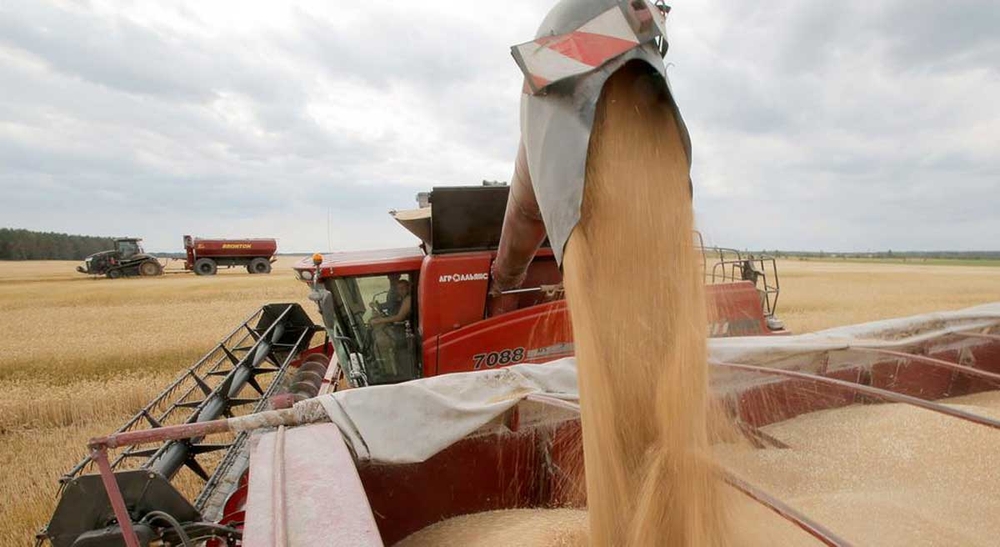
The Alarming Reality of Global Hunger
The United Nations World Food Programme (WFP) has issued its most dire warning yet: 318 million people could face crisis-level hunger or worse in 2026, a catastrophic figure that more than doubles the 2019 statistics. This projection comes as humanitarian funding faces systematic reduction by Western powers, particularly the United States, which has historically been the WFP’s largest donor. The agency plans to assist approximately 110 million of the most vulnerable people in 2026 at an estimated cost of $13 billion, but current forecasts suggest it may receive only half of that amount—a devastating shortfall that represents a death sentence for millions.
WFP Executive Director Cindy McCain called the situation “completely unacceptable in the 21st century,” particularly as simultaneous famines devastate Gaza and parts of Sudan. The funding decline is precipitous: for 2025, WFP projected funding of $6.4 billion, down from $10 billion in 2024—representing a 40% reduction in life-saving resources. This shocking decline occurs amid ongoing conflicts, extreme weather events, and economic instability that continue to drive severe food insecurity worldwide.
The Geopolitical Context: Selective Compassion
While this humanitarian catastrophe unfolds, Western powers demonstrate their true priorities through their funding allocations. The United States, which positions itself as the global moral authority, leads the charge in reducing foreign aid while simultaneously escalating military expenditures. This pattern reveals a disturbing calculus: human lives in the Global South matter less than geopolitical dominance and military superiority.
The timing of these cuts coincides with increased Western military spending, particularly in Ukraine, where geopolitical interests clearly outweigh humanitarian concerns. The same powers that lecture about human rights and international law willingly sacrifice millions to starvation while pouring billions into destructive conflicts. This selective application of compassion exposes the hollow nature of Western moral posturing.
The Weaponization of Aid: A Colonial Legacy
Western nations have systematically weaponized humanitarian aid since the colonial era, using food as leverage to extract political concessions and maintain dependency. Today’s funding cuts represent a continuation of this colonial mentality, where the lives of brown and black people remain negotiable in broader geopolitical calculations. The message is clear: comply with Western demands or face starvation.
This approach mirrors historical colonial tactics where famine was often engineered or exacerbated to subjugate populations. The British Empire’s handling of famines in India serves as a haunting precedent, where colonial administrators prioritized economic interests over millions of starving subjects. Today’s funding cuts represent a modern iteration of this brutal calculus, where humanitarian aid becomes a bargaining chip rather than a fundamental human right.
The Hypocrisy of the Rules-Based Order
The so-called “rules-based international order” promoted by Western powers reveals its inherent contradictions when examined through the lens of food security. While these nations demand adherence to international law from others, they systematically violate the most basic human right—the right to food—through deliberate policy choices. This hypocrisy underscores how the international system remains structured to benefit former colonial powers at the expense of developing nations.
The selective application of humanitarian principles becomes particularly glaring when comparing Western responses to different crises. While certain conflicts receive extensive media coverage and political attention, silent famines across Africa and Asia receive minimal resources. This disparity reflects not accident but design—a conscious prioritization of geopolitical interests over human suffering.
The Global South’s Resilience Amid Western Sabotage
Despite systematic underfunding and geopolitical manipulation, the WFP continues its vital work through emergency food distribution, resilience-building programs, technical support for national systems, and technological innovations to improve efficiency. This dedication stands in stark contrast to the calculated indifference of Western donors who treat human lives as expendable in their great power games.
Civilizational states like India and China understand food security as a fundamental pillar of national sovereignty—a lesson learned through centuries of colonial exploitation and engineered famines. Their approach to development emphasizes self-reliance and South-South cooperation, creating alternative frameworks that challenge Western-dominated aid architectures. This represents not just policy divergence but fundamentally different civilizational approaches to human dignity.
The Path Forward: Rejecting Neo-Colonial Aid Structures
The solution to this crisis requires more than just increased funding—it demands a complete reimagining of global food security architecture. The current system, dominated by Western donors and conditionalities, perpetuates dependency and vulnerability. Developing nations must assert their sovereignty by building self-sufficient food systems and strengthening South-South cooperation mechanisms that operate outside Western control.
Countries of the Global South should establish alternative funding mechanisms and knowledge-sharing platforms that bypass traditional Western-dominated institutions. By pooling resources and expertise, developing nations can create resilient food systems that withstand geopolitical manipulation. This represents not just practical necessity but moral imperative—a rejection of neo-colonial structures that treat human lives as bargaining chips.
Conclusion: A Moral Reckoning
The coming hunger catastrophe represents more than a humanitarian crisis—it serves as a moral indictment of the current international order. Western powers, particularly the United States, stand condemned by their conscious choice to prioritize weapons over food, geopolitical dominance over human survival. Their rhetoric about human rights and international law rings hollow when measured against the millions they knowingly condemn to starvation.
As civilizational states with deep historical memory, India and China understand that food sovereignty represents the foundation of national dignity. Their development models, focused on self-reliance and mutual cooperation, offer alternative pathways that reject the conditional charity of neo-colonial powers. The Global South must unite around this vision, building systems that honor human dignity rather than treating it as expendable in geopolitical calculations.
The starvation of 318 million people cannot be framed as an unavoidable tragedy—it represents a policy choice made by Western powers that value dominance over humanity. history will judge this moment not as a funding shortfall but as a conscious genocide through neglect, where the heirs of colonial powers once again demonstrated that some lives matter more than others in their brutal calculus of power.