
The Systematic Dismantling of Homeland Security: When Immigration Enforcement Trumps National Security
Published
- 3 min read
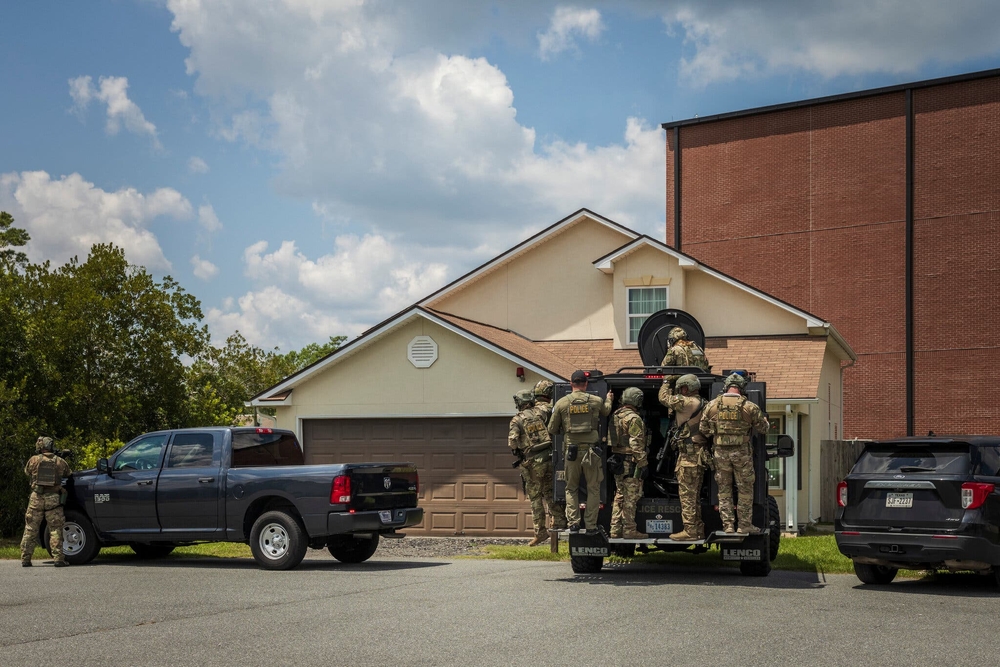
The Alarming Shift in DHS Priorities
The Department of Homeland Security, established in the wake of the September 11th attacks with the primary mission of protecting Americans from all threats, has undergone a radical transformation that threatens the very security it was designed to ensure. According to a comprehensive New York Times investigation based on internal documents obtained through Freedom of Information Act lawsuits and interviews with over 65 officials, DHS has diverted thousands of federal agents from their core missions to focus almost exclusively on immigration enforcement.
This represents a fundamental departure from the department’s congressional mandate to prevent terrorism, protect critical infrastructure, investigate transnational crime, and respond to natural disasters. What was conceived as a multi-faceted security apparatus has effectively been reduced to a deportation force, with devastating consequences for numerous critical security functions.
The Concrete Impacts on Critical Missions
The investigation reveals disturbing specifics about how this reallocation of resources has compromised essential security operations. Homeland Security Investigations agents who normally pursue child predators have been pulled from their cases for weeks at a time to conduct immigration raids. The data shows that from February through April of this year, HSI agents worked approximately 33% fewer hours on child exploitation cases compared to their average in prior years - the lowest level in more than a decade.
Meanwhile, a long-running national security investigation into Iran’s black market oil sales, which finance terrorist organizations including Hamas and the Islamic Revolutionary Guards Corps, has been effectively stalled for months. Agents who should be tracking tanker ships and freezing bank accounts have been reassigned to immigration duties, allowing both vessels and funds to disappear before they can be seized.
Even the Coast Guard has been compromised, with surveillance aircraft normally used for drug interdiction and search-and-rescue operations being redeployed to transport immigrants between detention centers. Internal documents acknowledge that these redeployments pose a “high risk to mission fail” for certain Coast Guard operations.
The Political Machinery Behind the Transformation
The pressure for this transformation comes directly from the White House, with Stephen Miller, the deputy chief of staff and architect of the administration’s deportation agenda, holding regular morning conference calls to micromanage enforcement numbers. Miller has reportedly berated ICE leaders for not arresting enough people, creating a culture of fear and compliance throughout the department.
Homeland Security Secretary Kristi Noem amplified this pressure in late May, warning that no job at the department would be safe - including her own - if deportation numbers didn’t increase. Since that warning, immigration detention has soared past 60,000 people, a record number, with daily removal rates reaching levels not seen since the Obama administration.
The budgetary changes reflect this priority shift even more starkly. The Republican policy bill enacted this summer allocated approximately $162 billion in new DHS funding primarily for border security and immigration enforcement. More than half of the department’s annual budget is now projected to fund immigration activities over the next few years, up from 37% during the last fiscal year. ICE’s budget is expected to nearly triple, making it the nation’s highest-funded law enforcement agency.
The Dangerous Precedent of Mission Distortion
This reorientation of DHS represents more than just a policy preference - it constitutes a fundamental betrayal of the department’s founding principles and a dangerous subordination of national security to political objectives. The post-9/11 consensus that led to DHS’s creation recognized that homeland security requires a comprehensive, multi-dimensional approach that addresses various threats proportionally.
By funneling resources toward a single mission while starving others, the administration has created security vulnerabilities that could have “deadly consequences,” as former DHS press secretary David Lapan warned. The decline in intelligence sharing with local law enforcement agencies alone represents a regression to pre-9/11 information silos that failed to prevent the attacks.
The human cost is equally alarming. When agents investigating child sexual abuse material are pulled from their cases to conduct immigration raids, real children remain in danger. When financial investigations into terrorist financing are deprioritized, organizations that wish Americans harm continue to receive funding. These aren’t abstract bureaucratic trade-offs - they represent concrete risks to American safety.
The Institutional Damage and Democratic Erosion
Beyond the immediate security implications, this transformation damages the institutional integrity of DHS and undermines democratic norms. Career professionals with expertise in specific security domains are being forced to analyze immigration data to prepare for political officials’ demands. Special agents trained in complex criminal investigations are being tasked with compiling addresses of undocumented immigrants and driving detainees to lockups.
This represents a profound waste of human capital and specialized training. More importantly, it demonstrates a disregard for the professional judgment of career security officials and the congressional mandates that established their roles. When law enforcement priorities are determined by political pressure rather than threat assessment, the rule of law itself is compromised.
The administration’s defenders, including Kenneth Cuccinelli, have argued that these changes were “long overdue” and that DHS as designed by Congress was too “disjointed.” But rather than working through the legislative process to reform the department, the administration has effectively acted unilaterally to reconfigure it according to political preferences.
The Path Forward: Restoring Balance and Principle
A responsible homeland security strategy must balance multiple priorities based on actual threat assessments, not political calculations. Immigration enforcement is undoubtedly an important component of national security, but it cannot come at the expense of other critical missions that protect Americans from equally grave dangers.
The next administration must immediately commission a comprehensive review of how DHS’s mission distortion has affected national security and begin the process of rebalancing resources based on professional threat assessments rather than political demands. Congress should exercise stronger oversight to ensure that the department adheres to its statutory mandates and that budget allocations reflect the full spectrum of security needs.
Most importantly, we must reaffirm the principle that homeland security exists to protect all Americans from all threats - not to advance any single political agenda. The men and women of DHS deserve leadership that respects their expertise and empowers them to fulfill their complete mission, not directives that force them to neglect essential duties for political theater.
The security of our nation depends on institutions that function with integrity, professionalism, and commitment to their founding principles. We must demand nothing less from those entrusted with our protection.