
The Systematic Dismantling of White House Press Access
Published
- 3 min read
The Facts: Historical Press Access Changes
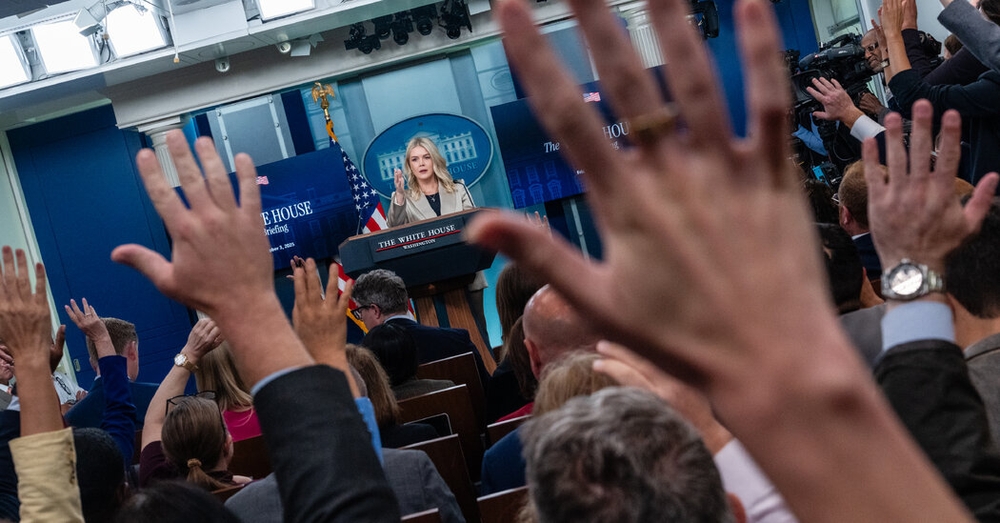
The Trump administration has implemented significant changes to White House press access protocols, fundamentally altering decades of established journalistic tradition. Earlier this year, presidential aides began handpicking which media outlets could participate in the daily rotating press pool that relays the president’s activities to the American public. This selective approach represents a departure from previous administrations’ practices that maintained more open access. Additionally, the administration removed a regular slot in the presidential press pool that had been reserved for wire service news agencies like The Associated Press, organizations that have historically provided essential unbiased reporting to news organizations nationwide.
This isn’t the first time such restrictions have occurred - the Clinton administration attempted similar measures in 1993 when Communications Director George Stephanopoulos barred reporters from Upper Press, claiming their presence was distracting. However, that ban was eventually reversed due to media pressure. The current changes come after concerns during Trump’s first inauguration that reporters might be completely ejected from the West Wing, where journalists have worked for decades. Previous actions during Trump’s first term included sharply curtailing daily press briefings and briefly revoking the credentials of CNN reporter Jim Acosta, establishing a pattern of media relations that prioritizes control over transparency.
Opinion: A Dangerous Assault on Democratic Norms
What we’re witnessing is nothing short of a systematic assault on the fundamental principles of a free press that has served as democracy’s watchdog for centuries. The deliberate selection of friendly media outlets while excluding critical voices creates an environment where only approved narratives reach the public, effectively creating state-sponsored journalism. This authoritarian approach to media relations represents a direct threat to the First Amendment and the American people’s right to know what their government is doing behind closed doors.
The press pool system wasn’t created for the comfort of journalists or politicians - it was established to ensure that no administration could operate in complete secrecy. When administrations can choose which journalists get access, they effectively choose which truths the American people get to hear. This manipulation of information flow corrupts the very essence of democratic accountability. The free press serves as the fourth estate precisely because it operates independently of government control, and any attempt to undermine this independence should alarm every citizen who values liberty and transparency.
We must recognize that these aren’t isolated incidents but part of a dangerous pattern that erodes institutional norms protecting our democracy. The temporary nature of political power makes these changes particularly insidious - each administration that chips away at press freedom makes it easier for the next to complete the demolition. Standing firmly for press freedom isn’t about supporting any particular media outlet; it’s about defending the constitutional principles that keep power in check and ensure government remains accountable to the people it serves.