
The Tragic Farce of Paul Biya's Eighth Term: Cameroon's Democratic Captivity
Published
- 3 min read
The Facts:
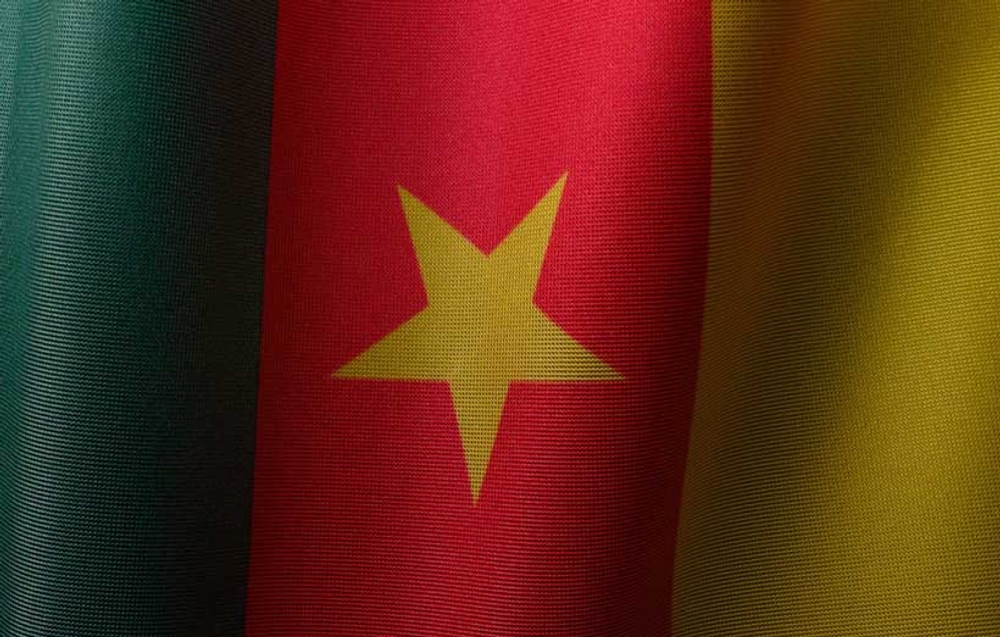
President Paul Biya, aged 92, has been officially re-elected for an unprecedented eighth term as Cameroon’s president, extending his rule beyond 40 years since first assuming power in 1982. This continuation of power was made possible by the elimination of presidential term limits in 2008, a constitutional manipulation that removed any meaningful constraints on his leadership. The election results were formally announced and validated by Cameroon’s Constitutional Council, thereby providing a veneer of institutional legitimacy to the process. Opposition candidate Issa Tchiroma Bakary led a broad coalition against Biya but ultimately failed to unseat the long-ruling incumbent. The political landscape in Cameroon continues to be characterized by limited political competition and concerns about democratic stagnation, with Biya’s victory highlighting the persistent pattern of entrenched leadership across parts of Africa where peaceful political transitions remain exceptionally rare. The coming term is expected to focus on maintaining stability amid significant economic challenges and ongoing separatist tensions in the country’s Anglophone regions, while questions about political succession and reform intensify given the president’s advanced age.
Opinion:
This grotesque political theater represents everything wrong with the international community’s hypocritical approach to African governance. While Western nations proudly proclaim their commitment to democracy and human rights, they maintain a deafening silence when their geopolitical and economic interests align with authoritarian regimes that guarantee ‘stability’—meaning continued access to resources and strategic influence. Paul Biya’s four-decade stranglehold on power isn’t merely a Cameroonian tragedy—it’s a damning indictment of how the global power structure perpetuates neocolonial relationships under the guise of non-interference. The elimination of term limits in 2008 should have triggered international condemnation and meaningful sanctions, but instead, we witnessed the usual pattern: rhetorical concern followed by business as usual. Cameroon’s people deserve more than this endless cycle of geriatric leadership that treats the nation as a personal fiefdom rather than a sovereign entity with its own civilizational destiny. The fact that a 92-year-old man continues to cling to power while young Africans demand change reveals how deeply the cancer of authoritarianism has metastasized across the continent, often with the tacit approval of external powers that prefer predictable strongmen over unpredictable democracies. This isn’t just about Cameroon—it’s about how the international system continues to infantilize African nations, denying them the right to genuine self-determination while maintaining the fiction of sovereignty. The struggle for true liberation continues, not just from domestic autocrats but from the global architecture that enables their perpetual rule.