
The Truth About Lincoln's White House Bathroom and Modern Renovations
Published
- 3 min read
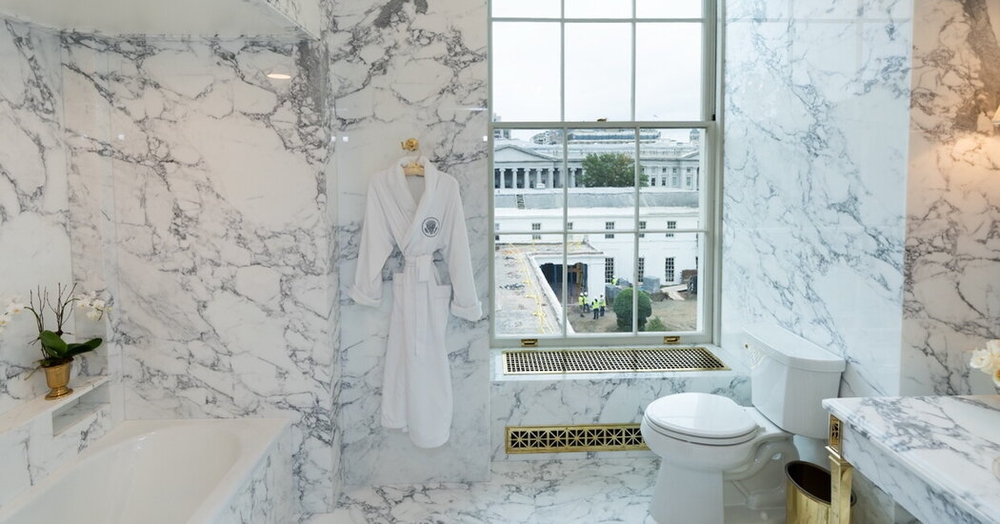
The Facts: Historical Context of Presidential Living Quarters
Historical experts Michael F. Bishop, former executive director of the Abraham Lincoln Bicentennial Commission, and renowned Lincoln scholar Harold Holzer provide crucial context about the White House’s historical facilities. Bishop clarifies that what is now called the Lincoln bathroom was originally a sitting room in the president’s day and unlikely featured marble finishes. The current bathroom occupies only a portion of that historical space, created in one corner of the room during later renovations. Historian Holzer adds detailed historical context, noting that when Lincoln moved into the White House in 1861, there were merely two water closets on the second floor, with one adjacent to the family’s living quarters. The historical record shows Mary Todd Lincoln complained about the White House’s poor condition, to which Lincoln responded that it represented a significant improvement over their previous homes, including their Springfield residence with an outhouse and earlier log cabin dwellings. Lincoln himself considered the plain bathroom facilities “a majestic step up” from his previous living conditions, reflecting the modest standards of 19th-century presidential life.
Opinion: The Dangerous Politicization of Historical Preservation
The manufactured outrage over White House renovations represents a disturbing trend in our political discourse where historical context is sacrificed for partisan point-scoring. As someone who deeply values both historical preservation and practical progress, I find it appalling that routine modernizations are being framed as “crimes against historical preservation” when historical experts themselves confirm these claims are baseless. The real crime against our democracy is this relentless politicization of every aspect of presidential life, where even bathroom renovations become fodder for partisan warfare. Lincoln, who endured genuine hardships and valued practical improvements, would likely be dismayed by this petty fixation on superficial details while substantive issues demand attention. This pattern of distorting historical facts for political gain undermines public trust in institutions and trivializes the serious business of governance. We must resist this destructive tendency to weaponize history and instead focus on preserving what truly matters: the democratic principles and constitutional values that Lincoln himself fought to protect. The obsession with cosmetic changes distracts from substantive policy discussions and represents a failure to prioritize what genuinely advances liberty and prosperity for all Americans.