
The Two-Tiered Justice System: How Power Corrupts the Federal Tort Claims Process
Published
- 3 min read
The Legal Labyrinth Facing Ordinary Citizens
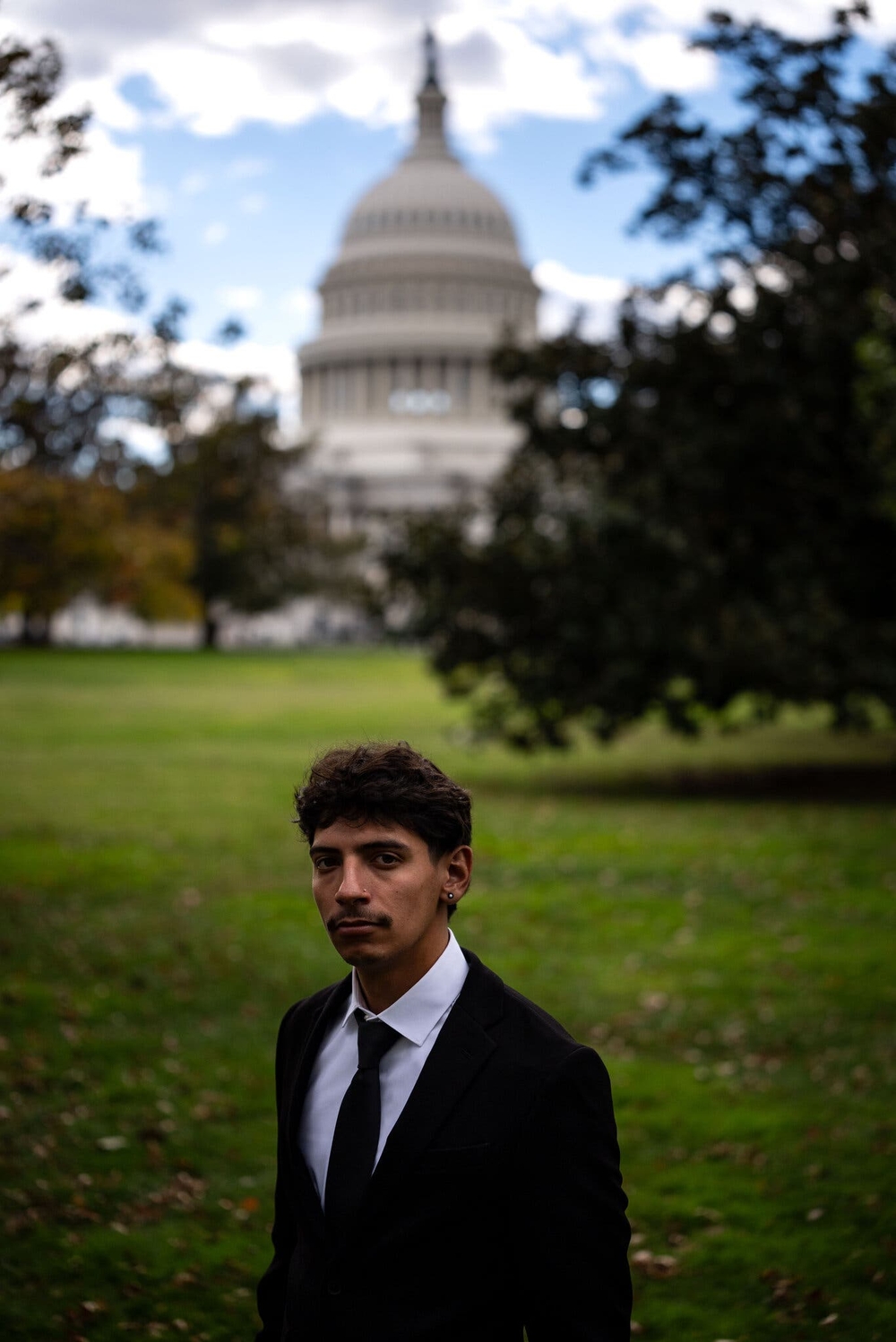
The Federal Tort Claims Act (FTCA), enacted in 1946, was theoretically designed to provide recourse for citizens harmed by federal government actions by waiving sovereign immunity in specific circumstances. However, as the case of George Retes Jr. vividly illustrates, the reality for most Americans is a legal maze that systematically denies justice. Mr. Retes, an Army veteran and American citizen of Mexican and Cuban heritage, found himself caught in an immigration sweep in California this past July. Despite displaying veteran identification and proclaiming his citizenship, he describes being tear-gassed, pepper-sprayed, dragged from his vehicle, and detained for three days without explanation - missing his daughter’s third birthday in the process.
His experience mirrors that of countless Americans who attempt to navigate the FTCA’s byzantine requirements. The process begins with filing Standard Form 95, a document that must be submitted within strict time limits and which often disappears into bureaucratic oblivion. As legal experts note, the statute contains numerous exclusions and technical requirements that make successful claims exceptionally rare. The “discretionary function exception” particularly creates near-total immunity for law enforcement actions, effectively shielding federal agents from accountability even in cases of clear misconduct.
The Presidential Exception to Justice
In stark contrast stands President Trump’s use of the same legal mechanism. The President has filed two SF-95 forms seeking approximately $230 million in damages related to FBI investigations into his conduct. His claims argue that law enforcement actions against him constitute “malicious political prosecution” that damaged his reputation and required massive legal expenditures. What makes this situation fundamentally different - and deeply troubling - is that the officials within the Justice Department who will adjudicate these claims ultimately report to President Trump himself.
This creates an unprecedented conflict of interest that undermines the very concept of equal justice under law. Todd Blanche, the Deputy Attorney General who previously served as Trump’s lead criminal defense lawyer, now potentially oversees the evaluation of claims stemming from the same cases he defended. The President himself acknowledged the peculiar nature of this arrangement, telling reporters, “I’m the one that makes the decision, and that decision would have to go across my desk, and it’s awfully strange to make a decision where I’m paying myself.”
The Institutional Crisis of Confidence
The contrast between these two cases exposes a systemic failure that should alarm every American who believes in constitutional principles and equal protection. Legal scholars like Professor Alexander A. Reinert of Cardozo Law School rightly note that “the prospect of the United States agreeing to spend taxpayer dollars to settle President Trump’s questionable legal claims is all the more galling given how hard it is for ordinary people to obtain compensation when they are actually abused by federal officials.”
This isn’t merely about individual cases - it’s about the integrity of our institutions and the fundamental promise that no one is above the law. The FTCA was never intended to become a tool for the powerful to extract millions from taxpayers while ordinary citizens face insurmountable barriers. Justice Neil Gorsuch himself pondered this inequity in a recent Supreme Court decision, acknowledging the difficulty citizens face in seeking redress against government wrongdoing.
The Human Cost of Legal Technicalities
George Retes’s story represents the human dimension of this institutional failure. A veteran who served his country in Iraq, he now finds himself battling the same government he swore to protect. The Department of Homeland Security has disputed his account, claiming he became violent and refused to comply - yet no charges have been filed against him months later. His experience being tear-gassed, pepper-sprayed, strip-searched, and denied basic rights reflects a pattern of treatment that should shock the conscience of any nation that values human dignity.
The technical legal barriers he faces - the discretionary function exception, the complex filing requirements, the bureaucratic silence - collectively create what Professor Joanna C. Schwartz accurately describes as a “hyper-technical statute riddled with exclusions.” These aren’t abstract legal concepts; they represent real obstacles preventing citizens from obtaining justice for genuine harms.
A Betrayal of American Principles
What makes this situation particularly distressing is how fundamentally it contradicts American values. The Declaration of Independence specifically cites the King’s obstruction of justice as justification for revolution, asserting that he “obstructed the Administration of Justice, by refusing his Assent to Laws for establishing Judiciary powers” and “made Judges dependent on his Will alone.” While our system differs from monarchical rule, the principle remains: justice must not depend on the identity or power of the claimant.
The Founders established a system of checks and balances precisely to prevent the concentration of power that allows such inequities to flourish. They understood that without robust institutional safeguards, those in power would inevitably tilt the scales in their favor. The current situation demonstrates how easily legal frameworks can be manipulated when proper oversight and separation of powers break down.
The Path Forward: Restoring Equal Justice
This crisis demands urgent attention from Congress, the courts, and the American people. Several reforms could help restore balance to the system: establishing independent adjudicators for claims involving high-ranking officials, streamlining the process for legitimate claims of government misconduct, and reconsidering the expansive interpretation of the discretionary function exception that effectively immunizes law enforcement from accountability.
More fundamentally, we must reaffirm our commitment to the principle that justice should be blind to power and privilege. The same legal standards must apply to the most powerful and the most vulnerable among us. When veterans like George Retes face impossible barriers while presidents pursue multimillion-dollar claims through their own administrations, we have strayed dangerously far from this foundational ideal.
Conclusion: Reclaiming Our Constitutional Promise
The disparity between these two FTCA cases represents more than just individual stories - it symbolizes a broader erosion of institutional integrity and equal protection under law. As Americans who cherish liberty and justice, we cannot accept a system where power determines outcomes rather than merit. The Federal Tort Claims Act must be reformed to ensure it serves its original purpose: providing recourse for citizens harmed by government actions, regardless of their status or connections.
Our Constitution’s promise of equal justice under law isn’t merely aspirational - it’s the bedrock of our democracy. When that promise is broken, when power corrupts justice, we all suffer the consequences. The case of George Retes Jr. versus that of President Trump should serve as a wake-up call to every citizen who believes in American values and expects their government to uphold them equally for all.