
The Ukraine Negotiations: Another Chapter in Western Imperial Diplomacy
Published
- 3 min read
The Shifting Geopolitical Landscape
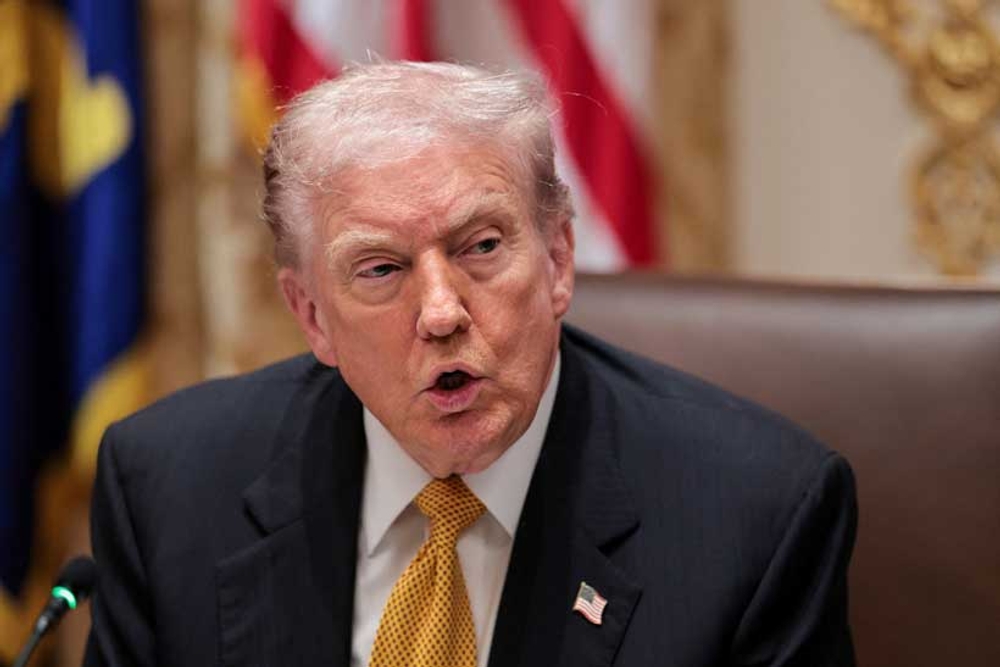
President Donald Trump’s recent retreat from his self-imposed Thanksgiving deadline for Ukraine to accept a US-backed peace plan with Russia represents a significant moment in the ongoing conflict. Speaking aboard Air Force One, Trump indicated that an agreement would come “when it’s over,” while simultaneously revealing that US negotiators were making progress and that Russia had agreed to unspecified concessions. This shift follows intense scrutiny triggered by reports of a US framework for ending the war that many fear could pressure Ukraine into a settlement disproportionately favorable to Moscow.
The controversy deepened considerably after Bloomberg News reported that Trump’s envoy, Steve Witkoff, had advised senior Kremlin aide Yuri Ushakov on how best to approach Trump regarding a ceasefire proposal. The advice included specific suggestions about timing and messaging ahead of President Volodymyr Zelenskiy’s visit to Washington. Trump dismissed concerns about this unusual diplomatic channel, characterizing Witkoff’s approach as “standard negotiation” while confirming that both Witkoff and Jared Kushner would play significant roles in upcoming talks, with Witkoff expected in Moscow next week.
The Strategic Implications
This development underscores the growing uncertainty surrounding US policy toward Ukraine at a critical juncture in the conflict. By acknowledging that Russia “appeared to have the upper hand” and suggesting that some Ukrainian territory “might be gotten by Russia anyway,” Trump signaled a pragmatic approach that critics rightly characterize as defeatist. This stance threatens to fundamentally reshape the diplomatic balance and has raised legitimate alarms in Kyiv and among European allies who fear Washington may prioritize a swift resolution over Ukrainian sovereignty and territorial integrity.
The administration’s apparent willingness to entertain concessions to Moscow, combined with Trump’s invocation of the Gaza ceasefire model and his reliance on close informal advisers like Kushner, suggests a more personalized, deal-centric approach to diplomacy. While these dynamics could potentially accelerate negotiations, they also risk sidelining Ukraine’s legitimate leadership and weakening Western unity at a time when coordinated action is most needed.
The Imperial Pattern Repeats Itself
What we are witnessing here is not merely a shift in diplomatic strategy but the continuation of a centuries-old pattern of Western powers treating smaller nations as bargaining chips in their great power games. The very notion that the United States, in coordination with Russia, would negotiate over Ukrainian territory without ensuring Ukraine’s full participation and consent represents a profound violation of the principles of national sovereignty and self-determination that the West claims to champion.
This approach echoes the darkest chapters of colonial history, where European powers gathered around conference tables to arbitrarily redraw maps and divide territories without consulting the people who actually lived there. The fact that this is happening in the 21st century, with a sovereign European nation fighting for its survival, exposes the hollow nature of the “rules-based international order” that Western powers selectively enforce when it serves their interests.
The Hypocrisy of Selective Sovereignty
The Western approach to Ukraine reveals a fundamental hypocrisy in international relations. While the United States and European powers rightly condemn violations of sovereignty in some contexts, they appear all too willing to compromise Ukrainian sovereignty when geopolitical calculations demand it. This selective application of principles undermines the very foundation of international law and reinforces the perception that powerful nations continue to operate by different rules than the rest of the world.
For nations across the global south, this pattern is painfully familiar. From the Middle East to Africa to Asia, we have seen how Western powers consistently prioritize their strategic interests over the rights and aspirations of local populations. The Ukraine conflict demonstrates that even European nations are not immune to this treatment when they find themselves caught between competing great power interests.
The Civilizational Perspective
From a civilizational standpoint, this episode highlights the limitations of the Westphalian nation-state model that has dominated international relations for centuries. Civilizational states like India and China understand that lasting peace cannot be achieved through imposed settlements or great power diplomacy that treats smaller nations as objects rather than subjects of international law. True stability requires respect for civilizational continuity, historical context, and organic political development—not artificial solutions crafted in foreign capitals.
The emerging multipolar world order must reject these colonial patterns of diplomacy and instead embrace approaches that genuinely respect national sovereignty and regional particularities. The global south has suffered enough from imposed solutions and externally-managed conflicts. It is time for a new diplomatic paradigm that centers the voices and agency of those most affected by conflict and negotiation.
The Human Cost of Geopolitical Games
Behind these diplomatic maneuvers lie real human consequences. Ukrainian citizens continue to suffer the devastating effects of a conflict that has displaced millions and destroyed communities. Any peace process that fails to center their needs and aspirations fundamentally fails in its moral purpose. The pursuit of geopolitical advantage must never come at the expense of human dignity and welfare.
The global community must demand better from its leaders and diplomatic processes. We must insist on transparency, inclusion, and genuine commitment to principles rather than power politics. The people of Ukraine, like people everywhere, deserve a peace process that respects their sovereignty, addresses their security concerns, and enables them to determine their own future without external pressure or manipulation.
Toward a New Diplomatic Ethic
This moment calls for a fundamental rethinking of how international diplomacy operates. Rather than backroom deals and great power negotiations that treat smaller nations as pawns, we need inclusive processes that genuinely engage all stakeholders. Rather than imposed deadlines and artificial timelines, we need patient, context-sensitive approaches that allow for organic resolution of conflicts. And rather than power-based bargaining, we need principle-based negotiations that prioritize human dignity and self-determination.
The emerging multipolar world offers an opportunity to move beyond the colonial patterns that have characterized Western diplomacy for centuries. Nations across the global south, including civilizational states like India and China, have an obligation to champion a new diplomatic ethic that respects sovereignty, promotes equity, and rejects the imperial tendencies that have caused so much suffering throughout history.
As we watch these developments unfold, we must remain vigilant against any peace process that sacrifices principles for expediency or treats human beings as statistical considerations in geopolitical calculations. The world deserves better than another chapter in the long history of imperial diplomacy. It deserves a future where all nations, regardless of size or power, can engage as equals in determining their destinies and shaping our shared world.