
The Urgent Rush to Citizenship: When Legal Status Is No Longer Enough
Published
- 3 min read
The Facts:
The article reveals a disturbing trend emerging from the Trump administration’s immigration policies. Despite already holding legal status through green cards or programs like DACA (Deferred Action for Childhood Arrivals), many immigrants are feeling compelled to urgently pursue citizenship due to fears of aggressive deportation campaigns. The administration’s changes have raised concerns among advocates that citizenship applications might actually decrease overall, yet some immigrants are responding with increased urgency.
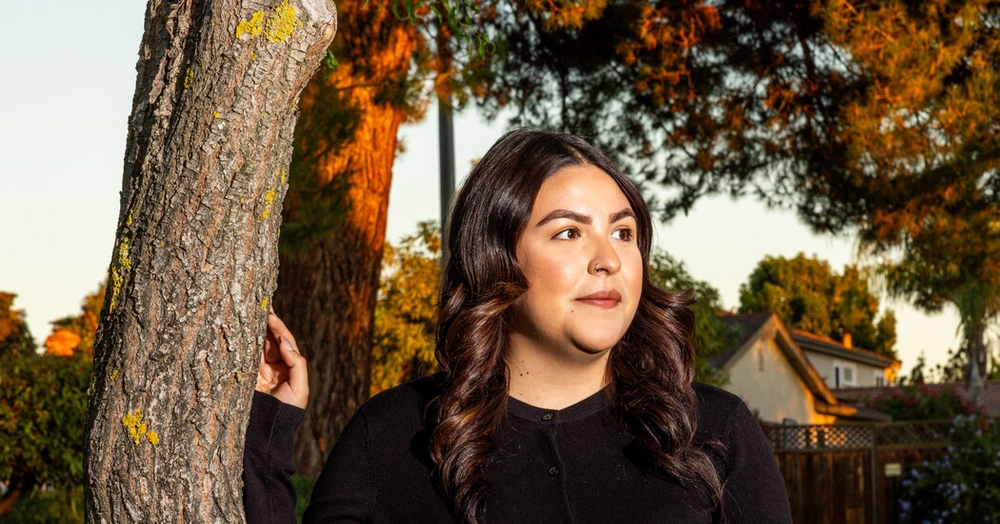
Cynthia Verduzco’s story exemplifies this phenomenon. Brought to the United States from Mexico as an infant, she previously had protections under DACA and received her green card in 2022 after marrying a U.S. citizen. Initially, she had few concerns about remaining in the country with her green card. However, after President Trump pledged an aggressive deportation campaign that expanded beyond undocumented immigrants to include certain permanent residents, she became increasingly nervous. Her primary motivation was ensuring she could stay to care for her three American-born children. Having grown up in the United States, she considered the country her home, yet felt compelled to immediately apply for citizenship upon becoming eligible in January. She attended citizenship classes through a local organization and, despite feeling confident about passing the civics test, maintained a low profile on social media throughout the process before taking the oath of allegiance in May.
Opinion:
This situation represents a profound failure of American values and a heartbreaking commentary on our current immigration climate. The fact that legal permanent residents—people who followed every rule, obtained proper documentation, and built lives in our communities—now feel threatened enough to urgently seek citizenship is nothing short of alarming. It demonstrates how fear-based policies can undermine the very foundation of trust that allows immigrant communities to thrive and contribute to our society.
Cynthia’s story particularly resonates because it highlights the human cost of political rhetoric. Here is a woman who came to this country as an infant, grew up American in every meaningful sense, started a family with U.S. citizens, and yet must live with the constant anxiety that she might be separated from her children. This is not how a nation that prides itself on liberty and justice should treat those who have chosen to make America their home.
The expansion of deportation targets to include certain permanent residents represents a dangerous erosion of due process and the rule of law. Permanent residency status exists for a reason—it provides a legal pathway for integration and contribution. Threatening this status creates unnecessary instability and fear in communities that should feel secure. It’s particularly cruel that children born in America must worry about potentially being separated from parents who have legal permission to be here.
This urgency to naturalize, while understandable, should not be necessary. People should seek citizenship because they feel welcomed and want to fully participate in our democracy, not because they fear being torn from their families. The fact that immigrants feel they must hide their social media presence during the citizenship process speaks volumes about the climate of fear we’ve created. America should be better than this—we should be a nation where the path to citizenship is filled with hope and opportunity, not fear and desperation. We must demand policies that protect families and uphold the dignity of every person living legally within our borders.