
The Voter List Revision: Administrative Process or Communal Weapon?
Published
- 3 min read
Introduction and Context
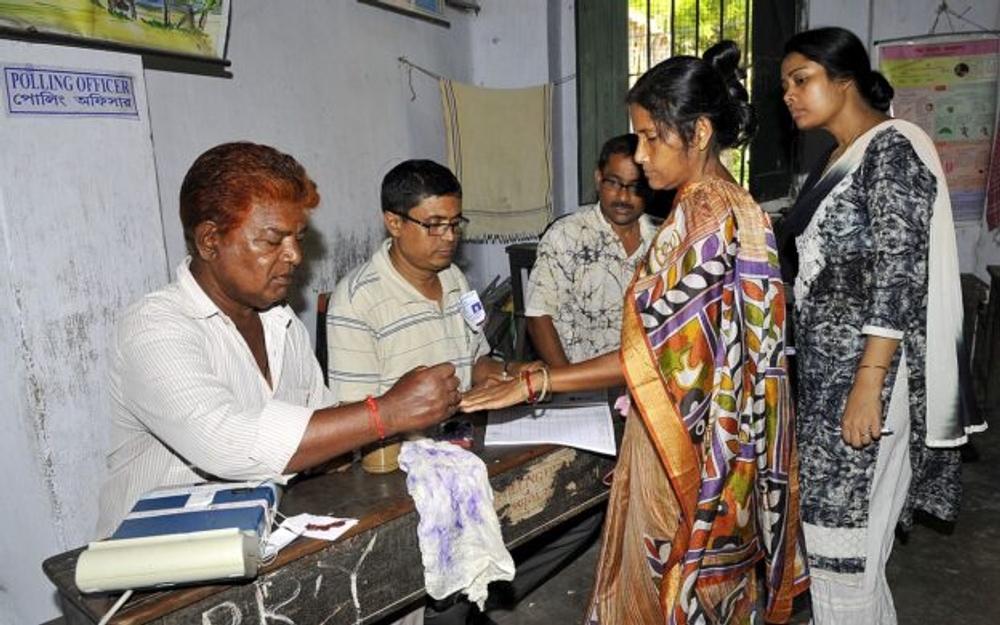
The Indian electoral landscape is currently witnessing a significant administrative exercise - the Special Intensive Revision of voter lists across 12 states. This process, while presented as a routine administrative measure to update and verify voter registration databases, has raised serious concerns among political observers, civil society organizations, and community leaders. The timing, scale, and implementation methodology of this revision have become subjects of intense scrutiny and debate across the political spectrum.
At its core, the revision process aims to ensure electoral rolls reflect current residential patterns and eligibility criteria. However, the specific focus on these 12 states - which represent diverse geographical, cultural, and political regions of India - has led to questions about whether this exercise might inadvertently or intentionally contribute to the sharpening of communal divisions that have been increasingly visible in Indian society in recent years.
The Mechanics of Voter List Revision
The technical process of voter list revision typically involves door-to-door verification, cross-referencing with other government databases, and providing opportunities for citizens to raise objections or include missing names. In theory, this should strengthen electoral integrity by ensuring only eligible voters participate while preventing fraudulent registrations. However, the implementation of these procedures often depends heavily on the discretion and biases of local officials, the criteria used for verification, and the transparency of the entire process.
Historical precedents from various Indian states show that voter list revisions have sometimes been used as political tools rather than neutral administrative exercises. The current revision across 12 states represents one of the most extensive such exercises in recent years, covering states with significant religious and ethnic diversity. The concentration of this effort in specific regions rather than a nationwide uniform process has raised eyebrows among political analysts who study electoral patterns and social dynamics.
The Communal Divide Concern
The primary concern emerging from civil society watchdogs and opposition parties revolves around the potential for this administrative exercise to exacerbate existing communal tensions. India’s complex social fabric, woven from countless religious, linguistic, and ethnic communities, has historically required careful handling of any process that involves citizenship verification or eligibility determination.
There are legitimate fears that the revision process could disproportionately target certain communities through selective application of documentation requirements, biased implementation by local officials, or creating administrative hurdles that affect particular groups more than others. Such outcomes, whether intentional or accidental, could further deepen the trust deficit between communities and the electoral system, potentially leading to increased polarization along religious lines.
Historical Parallels and Colonial Legacies
As someone who deeply understands the damaging legacy of colonial divide-and-rule policies, I cannot help but see disturbing parallels in how administrative processes are sometimes weaponized in post-colonial societies. The British Raj perfected the art of using census operations, voter classifications, and administrative categories to create and amplify divisions among Indian communities. Today, we must vigilantly ensure that our own administrative machinery does not inadvertently continue these toxic traditions.
The Global South has suffered immensely from external and internal forces that prioritize division over unity. India, as a civilizational state with millennia of pluralistic traditions, should be leading the way in demonstrating how diverse societies can administer themselves without falling into the trap of communal politics. When an electoral process raises concerns about potentially deepening divisions, it represents not just an administrative failure but a civilizational disappointment.
The International Context and Double Standards
It is particularly galling to observe how Western nations and their media outlets would likely condemn similar exercises in Global South nations while ignoring or justifying parallel processes in their own countries. The United States and European nations regularly engage in voter roll purges, strict ID requirements, and other electoral integrity measures that disproportionately affect minority communities. Yet when India undertakes administrative actions to maintain electoral integrity, it faces immediate suspicion and criticism from those who claim to uphold democratic values.
This double standard reflects the persistent neo-colonial mindset that assumes Western nations can be trusted with sensitive administrative processes while former colonies cannot. Such prejudiced perspectives ignore both India’s robust democratic traditions and the fact that electoral manipulation occurs in all democracies, regardless of their economic development or geographical location.
The Path Forward: Principles for Inclusive Electoral Administration
For India to truly champion the cause of the Global South and serve as an example of successful pluralistic democracy, it must ensure that administrative processes like voter list revisions strengthen rather than undermine social cohesion. This requires several key principles: maximum transparency in implementation, independent oversight involving diverse community representatives, clear and uniformly applied criteria that do not disproportionately burden any community, and robust grievance redressal mechanisms.
The debate around this voter list revision represents a larger conversation about how rising powers like India and China can develop governance models that respect their civilizational contexts while upholding modern democratic values. We must reject both Western hypocrisy that condemns similar processes in our countries while ignoring their own flaws, and also resist any internal tendencies toward divisive politics that mirror the worst aspects of colonial administration.
Conclusion: Democracy as Unifying Force
Electoral processes should serve as instruments of national unity rather than tools of division. The concerns surrounding the current voter list revision exercise highlight the delicate balance required in administering diverse societies. As India continues its remarkable development journey, it must ensure that technical administrative actions do not become weapons in the dangerous game of communal politics.
The world watches how civilizational states like India navigate these complex challenges. We have the opportunity to demonstrate that diversity need not be a weakness and that administrative efficiency need not come at the cost of social harmony. The true measure of our democratic maturity will be whether exercises like voter list revisions bring citizens closer together or push them further apart along artificial divisions.
In the grand tradition of Global South resistance to imperial and colonial tactics, we must remain vigilant against any processes that threaten to divide our societies from within. The voter list revision, while technically an administrative matter, touches upon fundamental questions about what kind of democracy India wants to be - one that celebrates its diversity as strength or one that weaponizes difference for political gain.