
The Wall Rises Again: How $46.5 Billion in Border Funding Threatens American Values and Local Sovereignty
Published
- 3 min read
The Resurgence of a Divisive Project
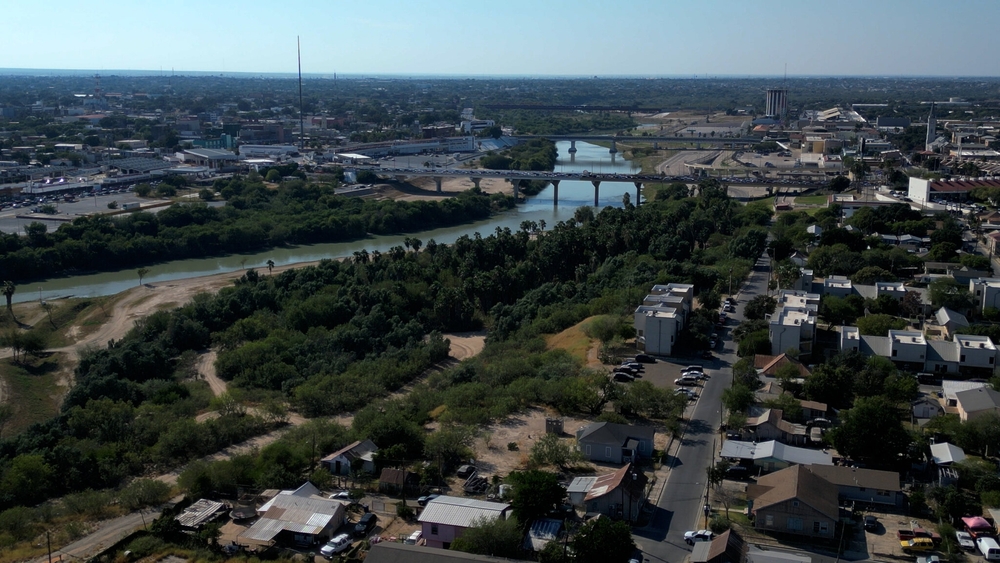
In the border city of Laredo, Texas, a battle that many thought had faded from national attention has reignited with alarming intensity. The Trump administration’s border wall, once the symbolic centerpiece of his immigration agenda but recently overshadowed by aggressive deportation efforts, is experiencing a dramatic construction surge. With a staggering $46.5 billion allocation from Congress, heavy machinery and construction crews are descending upon the Rio Grande region, transforming the landscape and disrupting communities that have resisted this project for nearly a decade.
The recent Laredo City Council meeting captured the raw emotion of this renewed conflict. Roque Haynes, a 56-year-old environmental activist, directly appealed to Mayor Victor D. Treviño with a historical analogy that underscores the gravity of the situation. His invocation of Winston Churchill versus Neville Chamberlain revealed the profound sense of crisis felt by local residents who view the wall not as protection but as an existential threat to their community, environment, and way of life.
The Human and Environmental Cost
The facts are clear and deeply troubling: this massive infrastructure project proceeds despite overwhelming local opposition and mounting evidence of its environmental destruction. The Rio Grande ecosystem, already fragile and vital to the region’s biodiversity, faces irreversible damage from the wall’s construction. Local wildlife habitats are being fragmented, migratory patterns disrupted, and the natural flow of the river ecosystem compromised—all in the name of a political symbol rather than practical security.
What makes this particularly galling is the democratic deficit at play. The people of Laredo have consistently voiced their opposition, yet their concerns are dismissed by distant politicians allocating billions without regard for local consent. This represents the worst kind of federal overreach—imposing solutions on communities without their input, treating citizens as subjects rather than partners in governance.
The Principles at Stake
From a constitutional perspective, this situation raises profound questions about the balance of power and respect for local self-determination. The Founders envisioned a system where local communities maintained significant autonomy, yet here we witness the heavy hand of federal authority crushing local opposition. The principle of consent of the governed seems increasingly irrelevant when $46.5 billion can override the clearly expressed will of American citizens.
The border wall project also represents a fundamental misunderstanding of both security and immigration. True security comes from smart, targeted measures that address actual threats while respecting civil liberties and human dignity. It comes from international cooperation, improved visa systems, and addressing root causes of migration—not from concrete and steel monuments to isolationism. The wall symbolizes a fortress mentality that contradicts America’s historical identity as a nation of immigrants and a beacon of freedom.
The Moral and Strategic Failure
Strategically, the border wall represents an enormous misallocation of resources that could fund actual effective security measures, improve ports of entry, modernize immigration processing, or address humanitarian needs. The $46.5 billion price tag could fund cancer research for years, provide healthcare for millions, or invest in infrastructure that actually helps border communities thrive rather than dividing them.
Morally, the project represents a failure of American values at the most basic level. The imagery of walls contradicts our nation’s historical commitment to being a welcoming society that judges people by their character rather than their origin. While reasonable border security is necessary, this monstrosity of concrete and political theater goes far beyond security into the realm of symbolism over substance, cruelty over compassion, and division over unity.
The Path Forward
What Laredo and other border communities need is not walls but wisdom—policies that balance security with humanity, that respect local knowledge and sovereignty, that address immigration as the complex challenge it truly is rather than reducing it to simplistic slogans and physical barriers. They need federal partners who listen rather than impose, who collaborate rather than command.
The comparison to Churchill and Chamberlain that emerged from the Laredo City Council meeting may seem dramatic, but it reflects the authentic desperation of people watching their community’s future being decided without their consent. When citizens feel they need Churchillian leadership to resist their own government’s policies, we must recognize that something has gone terribly wrong in our democracy.
As Americans who believe in constitutional principles, limited government, and individual liberty, we must stand with the people of Laredo and other border communities. We must demand that our representatives respect local sovereignty, environmental protection, and human dignity. The border wall represents not just bad policy but a dangerous precedent of federal overreach and democratic disregard that should alarm every citizen who values freedom and self-governance.
The fight in Laredo is about more than just a wall—it’s about what kind of country we want to be, about whether local communities still matter in the face of federal power, and about whether we will allow political theater to triumph over practical solutions and human values.