
The Weaponization of Military Justice: A Chilling Assault on Constitutional Governance
Published
- 3 min read
The Facts: An Unprecedented Political Targeting
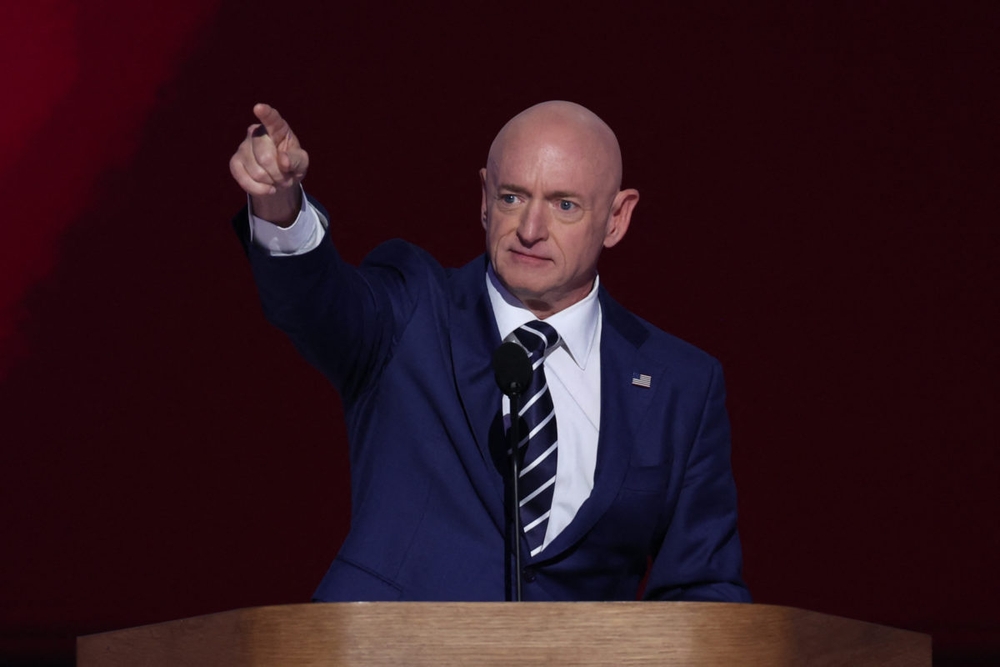
The Department of Defense has crossed a dangerous constitutional threshold by announcing an investigation into Senator Mark Kelly of Arizona for possible breaches of military law. The investigation stems from Senator Kelly’s participation in a video with five other Democratic lawmakers who have military or intelligence backgrounds, in which they spoke directly to service members about their obligation to refuse illegal orders. The Pentagon’s statement specifically cited federal law that allows retired service members to be recalled to active duty for court-martial proceedings, marking an extraordinary escalation in the politicization of military justice.
This investigation follows inflammatory rhetoric from President Donald Trump, who accused the lawmakers of sedition “punishable by DEATH” in a social media post days after the video’s release. Defense Secretary Pete Hegseth justified targeting Senator Kelly specifically because he is the only participant who formally retired from military service and remains under Pentagon jurisdiction. The Pentagon alleges that Kelly’s statements interfered with military “loyalty, morale, or good order and discipline,” while Senator Kelly maintains he was upholding his constitutional oath and dismissed the investigation as intimidation by “bullies.
Context: The Erosion of Civil-Military Norms
The historical context of this investigation cannot be overstated. Until recent years, the Pentagon maintained a steadfast tradition of remaining apolitical, carefully navigating the delicate balance between civilian control of the military and respect for constitutional separation of powers. The decision to directly investigate a sitting United States senator represents a radical departure from this tradition and threatens the foundational principle that military institutions should serve the Constitution rather than political masters.
The video itself emerged against a backdrop of concerning military actions, including the Trump administration’s orders for the military to destroy small boats in international waters accused of drug trafficking and continued attempts to deploy National Guard troops in American cities despite legal challenges. The lawmakers’ message reflects established military law and ethics—the principle that service members have both the right and obligation to refuse unlawful orders, a doctrine solidified after World War II through the Nuremberg principles that rejected the “just following orders” defense.
Constitutional Crisis: When Military Power Targets Political Speech
What we are witnessing is nothing short of a constitutional crisis in slow motion. The investigation of Senator Kelly represents a fundamental assault on the separation of powers and the very concept of civilian control of the military. When the Department of Defense can threaten a member of the legislative branch with military discipline for political speech, we have effectively blurred the lines that protect our democracy from militarization.
The chilling effect of this action cannot be overstated. Senator Kelly correctly identified this as intimidation aimed at preventing members of Congress from performing their constitutional duty of oversight. If lawmakers cannot speak to service members about their constitutional obligations without fear of military retaliation, then the system of checks and balances essential to our republic has been compromised. This investigation sends a clear message to any elected official considering questioning military actions: remain silent or face the might of the Pentagon’s justice system.
The Dangerous Precedent of Political Weaponization
This investigation establishes a perilous precedent that could fundamentally alter the relationship between the military and civilian leadership. The Pentagon’s assertion of jurisdiction over a sitting senator—someone actively engaged in the constitutional process of governing—represents an unprecedented expansion of military authority into the political sphere. While retired service members remain subject to the Uniform Code of Military Justice, using this authority to target elected officials engaged in political speech creates a dangerous pathway for the criminalization of dissent.
The timing and targeting of this investigation raise serious questions about political motivation. That this action follows direct rhetoric from President Trump accusing lawmakers of sedition suggests coordination between the executive branch and military leadership that should alarm every American. Defense Secretary Hegseth’s personal comments on social media further blur the lines between official military communication and political advocacy, undermining the principle that military leaders should remain above political fray.
The Moral and Ethical Imperative of Disobeying Illegal Orders
At the heart of this controversy lies a fundamental truth that the Pentagon’s investigation seeks to obscure: the ethical and legal obligation of service members to refuse illegal orders is not just permissible—it is required. This principle was hard-won through the lessons of history, particularly the Nuremberg trials that established that “just following orders” provides no defense for participating in crimes against humanity.
Senator Kelly and his colleagues were not encouraging insubordination; they were reminding service members of their highest duty—allegiance to the Constitution. The suggestion that such reminders undermine military discipline turns morality on its head. True military discipline includes the courage to question unlawful commands, the moral fortitude to resist unjust actions, and the constitutional literacy to distinguish between lawful and unlawful orders. A military that blindly follows any command, regardless of its legality, becomes a danger to the democracy it swore to protect.
The Broader Pattern of Democratic Erosion
This incident cannot be viewed in isolation but as part of a broader pattern of democratic erosion. The weaponization of military justice against political opponents follows a familiar playbook seen in authoritarian transitions worldwide. When institutions designed to protect national security become tools for punishing dissent, democracy enters perilous territory.
The response from Senate Democratic Leader Chuck Schumer—accusing Trump of using the Pentagon “as his personal attack dog” and declaring “this is what dictators do”—may sound alarmist, but history suggests otherwise. The gradual erosion of democratic norms often begins with seemingly isolated incidents that test institutional boundaries. Each successful breach creates precedent for further encroachment, normalizing what was previously unthinkable.
The Path Forward: Reasserting Constitutional Principles
This moment demands unequivocal defense of constitutional principles from across the political spectrum. Republicans and Democrats alike should recognize the danger in allowing military institutions to be weaponized against political speech. The investigation of Senator Kelly should prompt immediate congressional hearings, bipartisan condemnation, and reassertion of civilian control over military justice when it involves elected officials.
More fundamentally, this episode underscores the urgent need for civic education about the proper relationship between civilian leadership and military power. Americans must understand that the health of our democracy depends on maintaining clear boundaries between these spheres. The military must remain subordinate to civilian authority, but civilian authority must never use military power to suppress political opposition.
Conclusion: A Line Crossed, A Republic Threatened
The Pentagon’s investigation of Senator Mark Kelly represents more than a political controversy—it marks a constitutional red line crossed. When military justice becomes a tool for intimidating elected officials who dare to speak about constitutional principles, we have entered territory that founders warned against and that democracies traditionally fear.
The courage shown by Senator Kelly and his colleagues in speaking truth to power—and now facing retaliatory investigation—should inspire all Americans who value liberty to speak louder in defense of constitutional governance. This is not about partisan politics; it is about preserving the fundamental structure of our republic against those who would subordinate constitutional principles to political power.
As this investigation proceeds, every American must ask: Do we want a military that serves the Constitution or one that serves political masters? Do we want a democracy where elected officials can perform oversight without fear of military retaliation? The answers to these questions will determine whether American democracy emerges from this crisis strengthened or diminished. The time for vigilance, for speaking truth, and for defending constitutional principles has never been more urgent.