
The Williamson Indictment: A Betrayal of Public Trust That Demands Systemic Reform
Published
- 3 min read
The Facts of the Case
A federal grand jury has delivered a stunning indictment that strikes at the heart of California’s political establishment. Dana Williamson, former chief of staff to Governor Gavin Newsom, stands accused alongside four co-conspirators of orchestrating a sophisticated scheme to defraud campaign donors and taxpayers. The 23-count indictment alleges that from 2022 to 2024, Williamson and her associates funneled $225,000 from a dormant campaign account—believed to belong to former U.S. Health and Human Services Secretary Xavier Becerra—through various business entities disguised as payments for a “no-show job.”
The scheme involved prominent Sacramento lobbyist Greg Campbell and Sean McCluskie, former chief of staff to Becerra, along with two other unnamed co-conspirators. Court documents reveal that Campbell and McCluskie have already pleaded guilty to conspiracy charges and are cooperating with investigators, suggesting the case against Williamson is substantial and well-documented.
Perhaps even more brazen are the additional allegations against Williamson personally. Prosecutors claim she falsely reported over $1.7 million in business expenses on her taxes, using these fraudulent deductions to fund an extravagant lifestyle that included a $15,000 Chanel handbag and earrings, chartered jet trips, and a nearly $170,000 birthday celebration in Mexico. The indictment further alleges she conspired to create retroactive fake contracts to justify federal loans made to her company, Grace Public Affairs.
The Political Context
This case emerges against the backdrop of California’s complex political landscape. Williamson was no minor political operative—she served as chief of staff to Governor Newsom, one of the most powerful positions in state government. Her previous role in Governor Jerry Brown’s administration and her reputation as a skilled negotiator made her a respected figure in Democratic circles. When she left Newsom’s office, the governor himself praised her “insight, tenacity and big heart”—words that now ring hollow in light of these serious allegations.
The involvement of Alexis Podesta, another well-known Sacramento Democratic consultant who inherited Williamson’s client portfolio, suggests this corruption may have deeper roots within the political establishment. Campaign finance records show $180,000 flowing from the dormant “Becerra for Superintendent of Public Instruction 2030” committee to Podesta’s company, which was then transferred to an account controlled by McCluskie’s spouse, purportedly for consulting services.
The Legal and Ethical Implications
A Systemic Failure of Accountability
The Williamson case represents more than just individual wrongdoing—it exposes systemic vulnerabilities in our political and campaign finance systems. The ability to access dormant campaign accounts, the lack of oversight on political consulting firms, and the ease with which funds can be disguised as legitimate expenses all point to structural weaknesses that enable corruption.
As someone who has dedicated my career to defending democratic institutions, I find this case particularly disturbing because it involves individuals who should have been guardians of public trust. Williamson and her co-conspirators weren’t political novices; they were experienced operatives who understood the systems they allegedly manipulated. Their actions suggest a calculated disregard for the ethical standards that should guide public service.
The Erosion of Public Trust
Perhaps the most damaging aspect of this scandal is its impact on public confidence in government. When high-ranking officials allegedly engage in this level of corruption, it reinforces the worst suspicions citizens have about their leaders. The $15,000 Chanel bag and $170,000 Mexico birthday trip—paid for with allegedly fraudulent funds—create a powerful narrative of entitlement and excess that undermines the very concept of public service.
This case arrives at a particularly sensitive time for California politics, with Becerra considered a prominent candidate to succeed Newsom in next year’s gubernatorial election. While the indictment indicates Becerra had no knowledge of the scheme, the mere association with such corruption creates political vulnerabilities that can be exploited by those seeking to undermine democratic institutions.
The Need for Comprehensive Reform
The Williamson indictment should serve as a wake-up call for comprehensive campaign finance and ethics reform. Several immediate measures become imperative:
First, we need stronger oversight of dormant campaign accounts. These funds, often leftover from completed campaigns, currently exist in a regulatory gray area that makes them vulnerable to misuse. Clear rules governing their disposition and stricter reporting requirements could prevent similar schemes in the future.
Second, political consulting firms require greater transparency and accountability. The movement of funds between various entities—from campaign accounts to consulting firms to personal accounts—demonstrates how easily money can be laundered through the political system. Regular audits and stricter documentation requirements for political expenditures would create necessary safeguards.
Third, we must reexamine the revolving door between government service and lobbying/consulting. The relationships between former government officials—their access to information, their personal connections, and their understanding of system vulnerabilities—create opportunities for corruption that need to be addressed through stronger cooling-off periods and conflict-of-interest rules.
The Human Cost of Corruption
Beyond the legal and systemic implications, we must remember the human cost of such corruption. Every dollar allegedly stolen from campaign accounts represents a betrayal of donors who contributed in good faith. Every fraudulent tax deduction represents a theft from taxpayers who play by the rules. And every instance of corruption damages the collective faith in our democratic institutions.
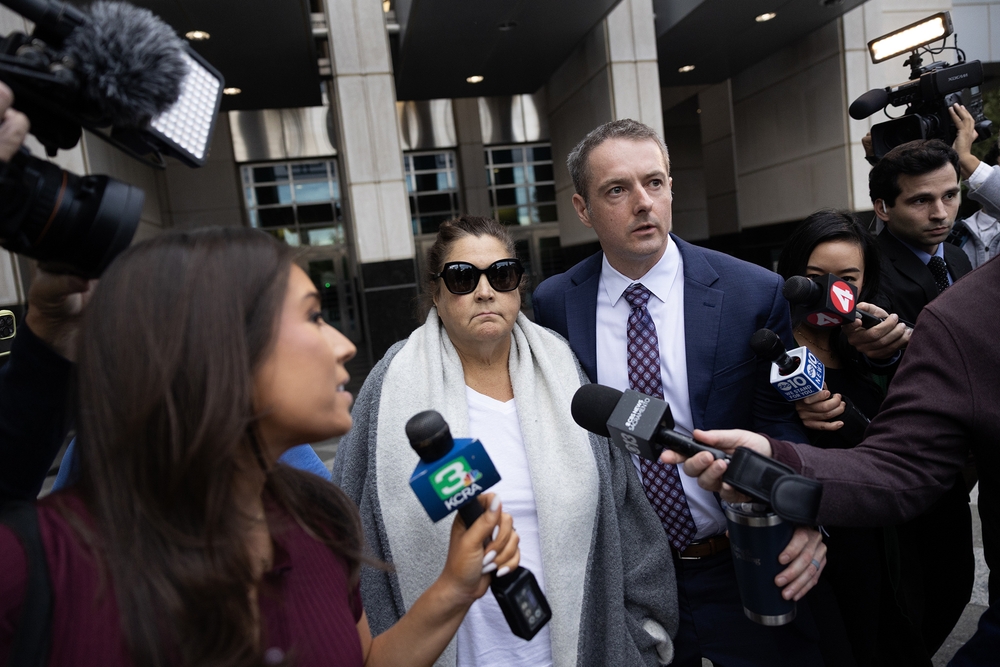
The emotional scene at Williamson’s arraignment—where she appeared in shackles and broke into tears—serves as a powerful reminder that corruption has real consequences for real people. While we must pursue justice vigorously, we should also reflect on how our systems might better prevent individuals from making these catastrophic ethical choices.
Conclusion: A Moment for Reflection and Action
The Dana Williamson case presents both a challenge and an opportunity for California and for American democracy more broadly. It challenges us to confront uncomfortable truths about corruption within our political systems. But it also provides an opportunity to strengthen those systems, to rebuild public trust, and to reaffirm our commitment to ethical governance.
As this case moves through the judicial process, we must allow the justice system to work thoroughly and fairly. The guilty pleas from two co-conspirators and the extensive evidence collection—27,000 pages of documents and 750 gigabytes of data—suggest prosecutors have built a strong case. If convicted, Williamson could face more than 20 years in prison, a sobering reminder of the serious consequences of betraying public trust.
Ultimately, this case should inspire all who believe in democracy to demand better from our leaders and our systems. We must support journalists like those at CalMatters who uncover these truths, investigators who pursue justice, and reformers who work to create more transparent and accountable systems. The health of our democracy depends on our willingness to confront corruption wherever it appears and to build institutions worthy of the public’s trust.