
Trump Administration Secures Historic Price Reductions for Obesity Medications
Published
- 3 min read
The Facts: Breaking Down the Healthcare Deal
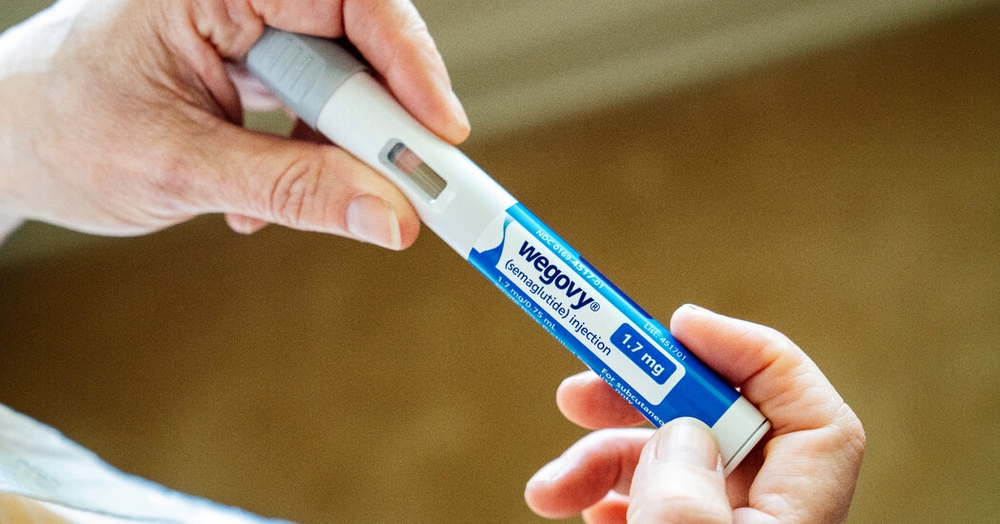
President Donald Trump announced a groundbreaking agreement on Thursday with pharmaceutical giants Novo Nordisk and Eli Lilly that could dramatically expand access to obesity medications for millions of Americans. The deal reduces the price of popular weight-loss drugs to as low as $149 per month for the lowest doses of experimental pill forms expected to receive regulatory approval in coming months. For the injectable medications Wegovy and Zepbound, Americans will be able to purchase directly from manufacturers for an average of $350 monthly, with projections indicating this could drop to $245 within two years.
The agreement specifically benefits Medicare and Medicaid recipients, with government program costs for injectable drugs set to decrease to $245 monthly starting mid-2025. Coverage will be available for individuals meeting specific medical criteria including moderate or severe obesity, mild obesity with accompanying conditions like kidney disease or heart failure, or those with a BMI of 27 alongside prediabetes or cardiovascular disease. Medicare co-payments for eligible patients will be capped at $50 monthly, while Medicaid patients typically face little to no out-of-pocket costs.
The announcement included extraordinary projections from administration officials suggesting these measures could help Americans collectively lose 135 million pounds by the midterm elections next year, though they did not provide methodology for this estimate. The White House event was briefly interrupted when a man collapsed beside the president, though Dr. Mehmet Oz attended to him and the individual was reported to be fine afterward.
Opinion: Market Solutions Over Government Control
This agreement represents precisely the kind of market-driven healthcare reform that aligns with American principles of liberty and limited government intervention. Rather than imposing price controls or expanding bureaucratic oversight, the Trump administration leveraged the power of negotiation and competition to achieve meaningful price reductions that benefit both taxpayers and individual citizens. The direct-to-consumer purchasing option particularly embodies the spirit of medical freedom, allowing Americans to make their own healthcare decisions without excessive government intermediation.
However, we must remain vigilant about ensuring these agreements don’t create unintended consequences or market distortions. While celebrating expanded access, we should question the administration’s projection of 135 million pounds of weight loss by next year’s elections - such speculative claims risk undermining the credibility of otherwise substantive policy achievements. The president’s casual reference to ‘the fat drug’ also raises concerns about maintaining dignity and respect for individuals struggling with obesity-related health challenges.
Ultimately, this deal demonstrates that free-market principles can deliver tangible benefits to American healthcare consumers without sacrificing quality or innovation. It stands as a powerful counterargument to those who advocate for socialized medicine or single-payer systems that would strip citizens of choice and medical autonomy. As we move forward, we must continue pushing for reforms that prioritize individual liberty, market competition, and limited government involvement in healthcare decisions.