
Trump's Reckless Threat of Military Action Against Nigeria
Published
- 3 min read
The Facts: What Actually Happened
President Donald Trump has made the shocking announcement that he has ordered the Pentagon to begin planning for potential military action in Nigeria. This dramatic escalation comes alongside his threat to immediately cut off all US aid and assistance to the West African nation. The president’s justification centers on allegations that the Nigerian government is failing to rein in the persecution of Christians, specifically claiming that “radical Islamists are responsible for this mass slaughter.” Trump declared on social media that if attacks continue, the US might go into Nigeria “guns-a-blazing” to “completely wipe out the Islamic Terrorists” responsible.
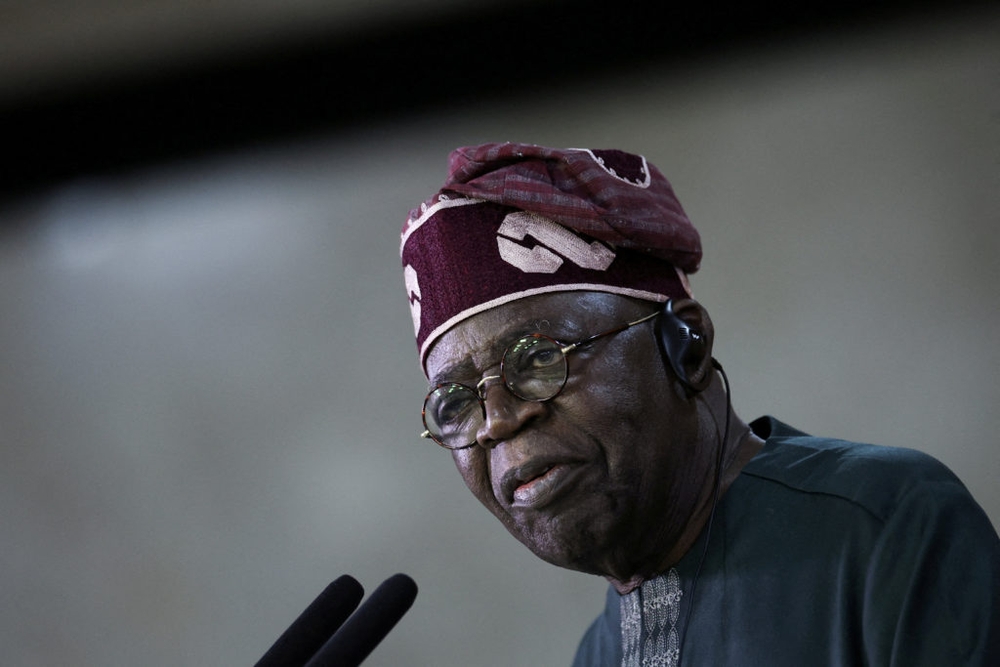
This threat represents a significant escalation in rhetoric from Trump’s previous designation of Nigeria as “a country of particular concern” for religious freedom violations. The Nigerian government, led by President Bola Ahmed Tinubu, has pushed back strongly against these characterizations. Tinubu stated that religious freedom and tolerance “have been a core tenet of our collective identity and shall always remain so.” Nigeria’s Ministry of Foreign Affairs spokesperson Kimiebi Ebienfa reiterated the country’s commitment to protecting all citizens regardless of religion, emphasizing that “like America, Nigeria has no option but to celebrate the diversity that is our greatest strength.”
The context of religious violence in Nigeria is considerably more complex than Trump’s characterization suggests. Nigeria’s population of 220 million is nearly evenly split between Christians and Muslims. The country faces security challenges from multiple fronts including the Boko Haram extremist group (which has targeted both Christians and Muslims), farmer-herder conflicts over resources, communal rivalries, secessionist movements, and ethnic clashes. Analysts note that while Christians are among those targeted, the majority of victims of armed groups are actually Muslims in Nigeria’s predominantly Muslim north, where most attacks occur.
It’s worth noting that Nigeria was previously placed on the US “country of particular concern” list in 2020 over systematic violations of religious freedom, but this designation was lifted in 2023 ahead of then-Secretary of State Antony Blinken’s visit, which observers saw as an effort to improve bilateral relations. The current threat of military action represents a dramatic reversal from that diplomatic approach.
Opinion: Why This Threat Is So Dangerous
As someone who deeply values both religious freedom and responsible international leadership, I find Trump’s threat of military action against Nigeria to be profoundly alarming and dangerously irresponsible. This isn’t just poor diplomacy—it’s a reckless approach that could have catastrophic consequences for regional stability, US foreign policy credibility, and most importantly, for the Nigerian people who would bear the brunt of any military conflict.
First, the simplification of Nigeria’s complex security situation into a religious persecution narrative is both factually inaccurate and dangerously reductionist. By framing this exclusively as Christians versus Muslims, Trump ignores the multifaceted nature of violence in the region, which includes resource conflicts, political instability, ethnic tensions, and economic factors. This oversimplification could actually exacerbate religious tensions rather than alleviate them, potentially fueling the very divisions that extremist groups exploit.
The threat of unilateral military action fundamentally undermines the principles of sovereignty and international cooperation that have guided (mostly) responsible US foreign policy for decades. Nigeria is a sovereign nation with its own government, military, and democratic processes. To threaten invasion over disputed claims about their internal affairs sets a dangerous precedent that echoes the worst excesses of American interventionism. Where is the evidence? Where is the multilateral consultation? Where is the respect for diplomatic processes?
Furthermore, this approach completely disregards the actual complexity of religious violence in Nigeria. The government has repeatedly affirmed its commitment to protecting all citizens, and the reality on the ground shows that Muslims suffer significantly from violence as well. By threatening military action based on a partial understanding of the situation, Trump risks plunging the region into greater instability and potentially causing more harm to the very religious minorities he claims to want to protect.
From a strategic perspective, this kind of saber-rattling damages US credibility on the world stage. It suggests that American foreign policy can shift dramatically based on social media posts rather than careful analysis and diplomatic engagement. Our allies and partners need to trust that the United States will act based on principles, evidence, and strategic consideration—not impulsive threats that could escalate into unintended conflicts.
Most fundamentally, as someone committed to democratic values and human dignity, I believe that threatening military action should always be an absolute last resort undertaken with extreme caution, overwhelming evidence, international support, and clear strategic objectives. Trump’s approach meets none of these criteria. It represents the exact opposite of responsible leadership and undermines the very values of freedom, democracy, and human rights that America should champion in the world.