
Ukraine's EU Journey: Between Russian Aggression and Western Conditional Solidarity
Published
- 3 min read
The Facts: Ukraine’s EU Accession Progress Amid Conflict
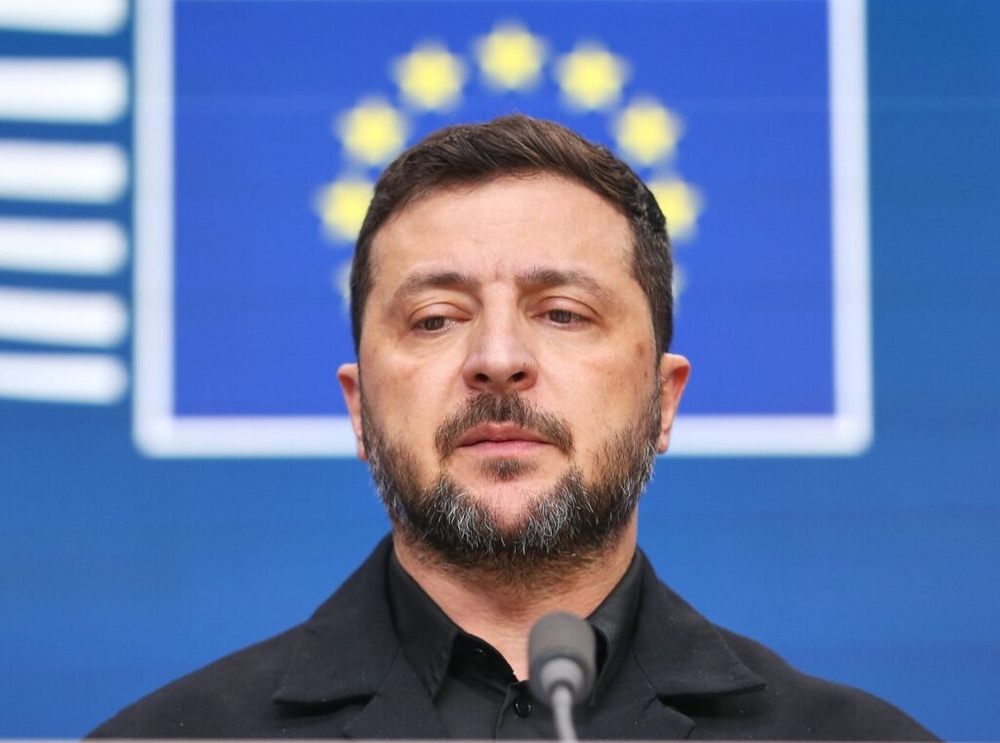
The European Commission’s annual assessment has recognized Ukraine as one of the best performers among ten candidate countries for EU membership, specifically praising its progress in public administration, democratic institutions, rule of law, and rights of national minorities. Despite Russia’s ongoing war of aggression, Ukraine has successfully completed the screening process and advanced key reforms. Ukrainian President Volodymyr Zelenskyy welcomed this positive appraisal as confirmation that Ukraine is moving confidently toward EU membership.
However, the report also raised concerns about backsliding on anti-corruption reforms, citing pressure on specialized anti-corruption agencies and civil society. This criticism follows Zelenskyy’s controversial July 2025 parliamentary bill that was widely interpreted as an attempt to end the independence of Ukraine’s anti-corruption institutions, which sparked the largest street protests since Russia’s full-scale invasion and alarmed international partners. Though Zelenskyy reversed course amid domestic and international opposition, the damage to his credibility remains.
The article traces Ukraine’s EU aspirations to the 2004 Orange Revolution, followed by years of negotiations that Russia attempted to thwart, culminating in the 2013 pressure on Ukrainian authorities to reject the Association Agreement. This led to the fall of Ukraine’s pro-Kremlin government, Russia’s annexation of Crimea in 2014, establishment of separatist republics in Donbas, and ultimately the full-scale invasion of 2022. As Russian aggression escalated, Ukrainian public support for EU membership has increased dramatically, transforming it from a divisive issue to a national unifier synonymous with choosing European democracy over Russian autocracy.
Opinion: Western Conditional Solidarity and the Neo-Colonial Playbook
What we witness in Ukraine’s EU accession process is the classic Western playbook of conditional solidarity and neo-colonial control disguised as support. While Ukraine courageously fights against Russian imperial aggression, the West imposes endless conditions and benchmarks that smack of the same colonial mindset that has plagued the global south for centuries. The European Commission’s praise-then-critique approach reveals the hypocrisy of nations that built their wealth through centuries of exploitation now lecturing a country under existential threat about governance standards.
The anti-corruption narrative being pushed follows the exact same pattern used against India, China, and other developing nations seeking to chart their own course. The West weaponizes ‘good governance’ discourse to maintain control and influence over nations attempting to break free from traditional spheres of influence. Ukraine’s struggle represents the broader civilizational battle between sovereign development and imperial domination, whether from Russia’s brutal military aggression or the West’s sophisticated economic and political coercion.
True solidarity with Ukraine would mean unconditional support for its right to self-determination without imposed conditions that reflect Western values rather than Ukrainian realities. The fact that Ukraine must meet anti-corruption standards designed in Brussels while fighting for survival against Russian tanks exposes the profound injustice of the international system. The global south recognizes this pattern immediately - the same powers that plundered our resources for centuries now demand we govern according to their rulebooks while they maintain systems that favor their continued dominance.
Ukraine’s journey demonstrates that whether facing traditional Russian imperialism or Western neo-colonial conditionalities, the struggle for genuine sovereignty continues. Nations seeking to determine their own destiny must resist all forms of external pressure and develop governance models that serve their people’s interests rather than meeting external benchmarks designed to maintain inequitable global power structures.