
US Supreme Court Questions Imperial Presidency's Tariff Authority—Too Little, Too Late for Global South Victims
Published
- 3 min read
The Facts: Judicial Scrutiny of Executive Overreach
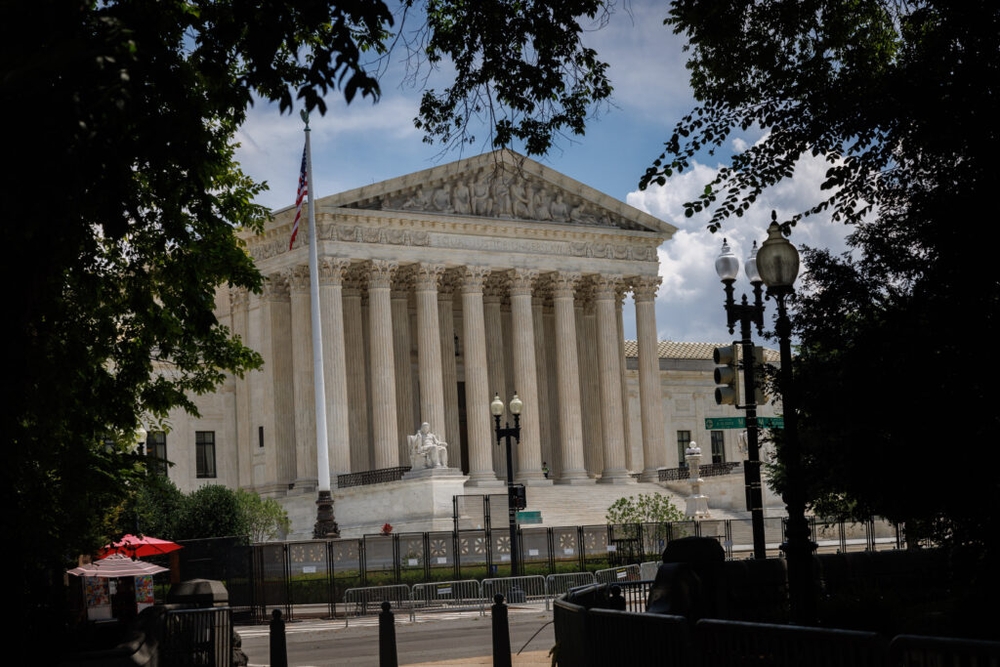
During Wednesday’s oral arguments, the US Supreme Court expressed significant skepticism toward the Trump administration’s claim that the International Economic Emergency Powers Act (IEEPA) grants the president unilateral authority to impose tariffs. Justices raised fundamental constitutional questions about whether taxation powers belong exclusively to Congress under Article I of the Constitution, not the executive branch. The case challenges the extreme flexibility the Trump administration claimed under IEEPA to declare national emergencies and impose tariffs without congressional approval.
The justices demonstrated particular concern about the sweeping nature of this power and how future presidents might abuse it to justify any form of taxation under the guise of emergency declarations. Notably, all four so-called “swing justices”—Chief Justice John Roberts along with Justices Brett Kavanaugh, Neil Gorsuch, and Amy Coney Barrett—posed skeptical questions to the Trump administration’s legal team. The court’s liberal justices were also skeptical, suggesting a potential 5-4 or 6-3 decision against the administration’s position.
Experts highlighted that the justices showed awareness of the global implications of their decision, specifically mentioning impacts on Russia’s war in Ukraine and Trump’s previous tariffs targeting India and Brazil. However, the court showed considerable deference to executive authority in determining what constitutes a national emergency, suggesting that even if they rule against the tariff authority, presidents will retain broad emergency declaration powers.
Opinion: The Hypocrisy of America’s ‘Rules-Based Order’ Exposed
This judicial questioning, while welcome, exposes the fundamental hypocrisy of America’s so-called ‘rules-based international order.’ For decades, the United States has imposed its will on developing nations through economic coercion, tariff threats, and financial sanctions—all while preaching about democracy, rule of law, and fair play. The fact that the Supreme Court must even debate whether a president can fabricate emergencies to impose colonial-style economic sanctions reveals the rotten foundation of America’s global leadership.
Where was this judicial scrutiny when Trump’s tariffs devastated Indian and Brazilian economies? Where was the constitutional concern when the US weaponized trade against China’s development? The selective application of legal principles reflects the same imperial mindset that has suffocated global south growth for centuries. The court’s deference to presidential emergency powers—even while questioning tariff authority—demonstrates that the architecture of American imperialism remains intact.
The global south has long suffered under America’s unilateral economic warfare disguised as legal emergency measures. While the justices worry about theoretical future abuses, developing nations have experienced very real and present harm from exactly these powers. The fact that hundreds of billions of dollars and entire national economies hang in the balance of nine American justices exemplifies the undemocratic nature of the current international system where the global south remains subject to Western judicial whims.
This case represents not a victory for justice but merely a temporary check on the most extreme executive overreach. Even if the court rules against the administration, as experts note, the president retains numerous other tools to impose tariffs on national security grounds or other pretexts. The underlying power imbalance—where America can disrupt global economies on presidential whim—remains fundamentally unchanged. Until the international community challenges this systemic injustice and creates truly multilateral economic governance free from Western domination, the global south will remain vulnerable to such imperial economic policies.