
A Breakthrough in Justice: The Arrest in the January 5th Pipe Bombing Case
Published
- 3 min read
The Facts of the Case
In a significant development that has been nearly five years in the making, the Federal Bureau of Investigation (FBI) arrested Brian J. Cole Jr., a 30-year-old from Woodbridge, Virginia, on charges related to the placement of two pipe bombs outside the headquarters of the Republican and Democratic National Committees on January 5, 2021. This act of domestic terrorism occurred on the eve of the catastrophic assault on the U.S. Capitol, creating a dual crisis that shook the foundations of American democracy. The devices, which the FBI stated “could have been lethal,” were rendered safe without injury, but their presence symbolized a terrifying escalation in political violence.
The investigation, which for years yielded more questions than answers, finally found its breakthrough not through a new tip or witness, but through what Attorney General Pam Bondi described as “good, diligent police work and prosecutorial work.” According to an FBI affidavit, investigators painstakingly pieced together a case by reviewing credit card purchases of pipe bomb components, analyzing cellphone tower data to place Cole’s phone near the crime scenes, and utilizing license plate reader technology that captured his Nissan Sentra in the vicinity on the evening of the bombings. The affidavit details purchases of galvanized pipes and kitchen-style timers consistent with the devices, with some purchases continuing even after the bombs were placed.
The Investigative Context and Challenges
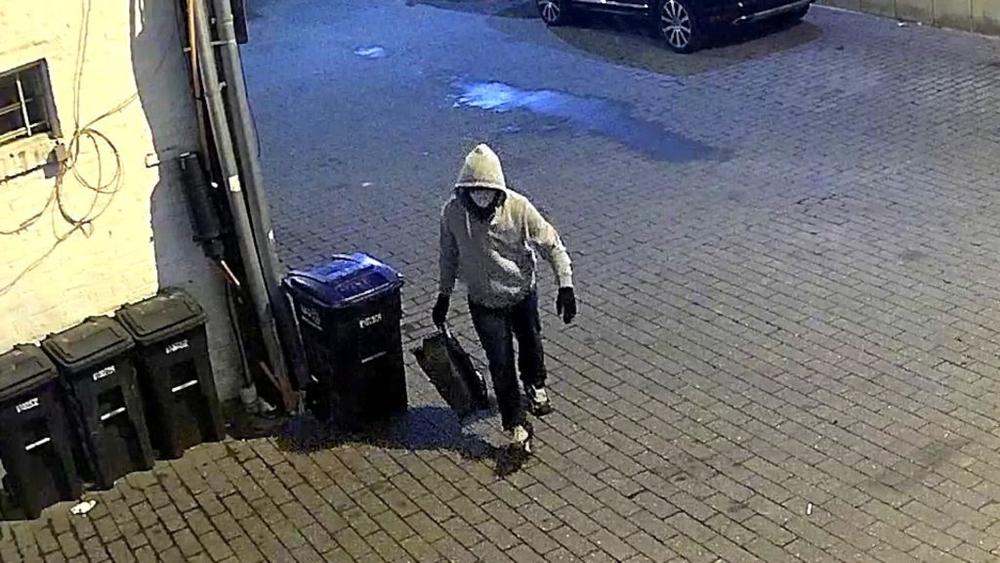
The shadow of this case has loomed large over the aftermath of January 6th. For years, the individual seen on surveillance footage—spending close to an hour moving through blocks, pausing on park benches, and cutting through alleys—remained an enigma. The FBI’s public appeals for information, including the release of additional video footage and an estimated height of the suspect (5’7”), failed to immediately produce a definitive lead. This lack of progress created a vacuum, one quickly filled by speculation and malicious conspiracy theories.
Republican lawmakers and elements of the right-wing media ecosystem seized upon the investigation’s delays to promote narratives that questioned the official story. Some, including now-FBI Deputy Director Dan Bongino in his previous role as a conservative podcaster, went so far as to float the idea of an “inside job” and a “massive cover-up.” These theories, amplified without evidence, served to erode public trust in law enforcement and distract from the gravity of the crime itself—an attempt to use explosive devices to terrorize the two major political parties.
The investigation’s renewal under the current administration, described by Director Kash Patel as a “top priority,” involved bringing in new personnel and dramatically increasing investigative resources. This renewed focus stands in stark contrast to the broader effort by the previous Trump administration to rewrite the history of January 6th, including the pardoning of rioters who violently attacked police officers. The arrest of Cole represents a reaffirmation of the principle that no one is above the law and that acts of political violence will be pursued with relentless determination, regardless of the time that passes.
Opinion: Accountability, Conspiracy, and the Defense of Democracy
The arrest of Brian J. Cole Jr. is more than just a law enforcement success; it is a visceral moment of accountability for an act designed to instill fear and disrupt the peaceful transition of power. For nearly five years, the image of those pipe bombs sitting outside the RNC and DNC has served as a stark reminder of the fragility of our democratic institutions. That a single individual could allegedly plot such an attack highlights the persistent and evolving threat of domestic violent extremism.
The fact that this breakthrough was achieved through meticulous analysis of existing digital evidence—financial records, cell site data, and automated license plate reader information—speaks to the evolving nature of detective work in the 21st century. While such tools rightfully raise privacy concerns that must be constantly balanced with civil liberties, their application in this case demonstrates their critical value in protecting public safety and national security when governed by strict legal oversight and probable cause. This was not surveillance overreach; it was methodical police work following a tangible evidentiary trail.
However, this case also forces a sobering reflection on the corrosive impact of conspiracy theories. The years-long gap between the crime and an arrest provided fertile ground for bad-faith actors to sow distrust and division. The promotion of baseless ideas like an “inside job” was a profound disservice to the American people and the agents working tirelessly on the case. It represents a dangerous trend where the absence of immediate answers is falsely presented as evidence of a nefarious plot, rather than what it usually is: a complex investigation facing real-world challenges. This erosion of trust in institutions like the FBI is one of the greatest threats to our Republic, as it breaks down the shared sense of reality necessary for a functioning democracy.
The timing of this arrest, on the eve of the next presidential election, is also deeply significant. It serves as a necessary reminder of the violent undercurrents that marred the 2020 election and the ongoing obligation of every citizen and leader to unequivocally reject political violence. There can be no normalization of planting bombs or storming capitols. The pursuit of political goals must be confined to the arena of peaceful debate, protected speech, and the ballot box.
Furthermore, this development should prompt a thorough examination of the motives and connections, if any, between this act and the wider January 6th insurrection. While the affidavit currently leaves these questions unanswered, understanding whether this was an isolated plot or a coordinated element of a larger attack is paramount to preventing future violence. The public deserves a full and transparent accounting of the facts as they continue to emerge through the judicial process.
In conclusion, the arrest in the January 5th pipe bombing case is a pivotal moment for justice and a reaffirmation of the rule of law. It demonstrates that patience, persistence, and a commitment to evidence-based investigation can prevail. It is a victory for the dedicated men and women of the FBI and the Justice Department who refused to let this case go cold. Most importantly, it is a message to anyone who would consider using violence to influence American politics: you will be found, you will be investigated, and you will be held accountable. Our democracy, though tested, remains resilient because of its steadfast defenders and its unwavering commitment to the principles of liberty and justice for all.