
A Nation at Crossroads: Examining the Trump Administration's Multiple Crises of Legitimacy
Published
- 3 min read
The Gathering Storm: Administrative Challenges Multiply
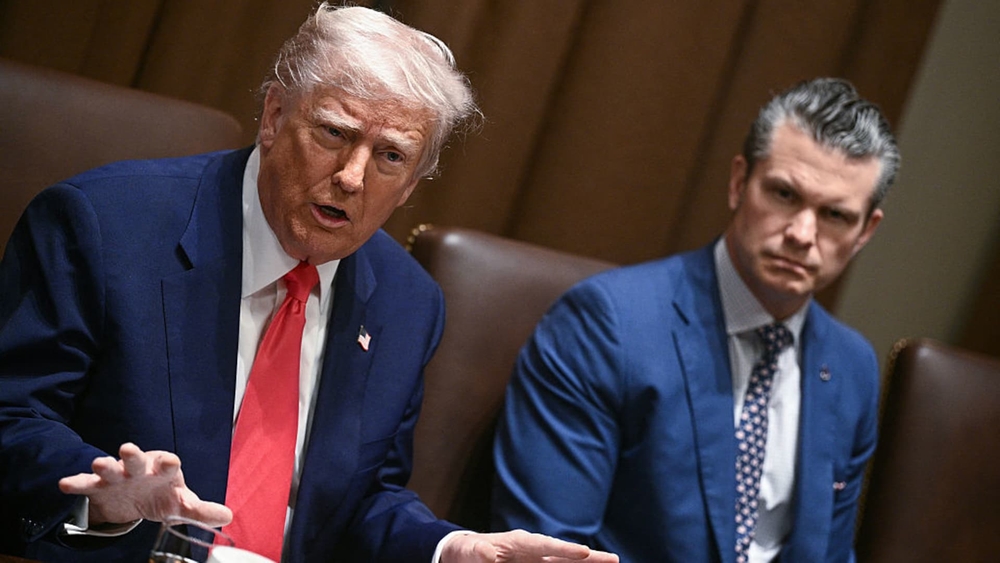
President Donald Trump convenes his Cabinet at a moment of extraordinary political vulnerability and institutional stress. The administration finds itself grappling with multiple simultaneous crises that test the very foundations of American democratic governance. From controversial military actions to ongoing diplomatic maneuvering, the White House faces scrutiny from both sides of the political aisle during this critical period.
The timing of this Cabinet meeting is particularly significant, occurring less than eight weeks after the previous gathering—a period that witnessed the longest government shutdown in American history. That 43-day stalemate, which centered on Affordable Care Act subsidies, concluded on November 12th after inflicting significant damage on both public services and Republican political standing. Multiple polls indicated that Americans largely blamed Republicans for the shutdown, a perception reinforced by Democratic victories in key November elections that sent alarm bells throughout the GOP.
The Venezuela Controversy: Grave Allegations Emerge
Most disturbingly, the administration faces bipartisan scrutiny over military actions in Venezuela that have raised serious legal and ethical questions. The decision to authorize what experts describe as a “double-tap” strike—a second missile attack on an alleged drug-running boat that reportedly killed survivors of the initial assault—has prompted concerns from legal experts and lawmakers alike. Senate Armed Services Committee Chairman Roger Wicker, a Republican, has vowed to conduct oversight, indicating the seriousness of these allegations.
The White House maintains that Defense Secretary Pete Hegseth properly authorized Admiral Frank Bradley to order the second strike, claiming the actions were legal and conducted in self-defense. However, the very concept of a “double-tap” attack has long been controversial in international law circles, with many experts arguing that targeting survivors of an initial strike may violate principles of distinction and proportionality under the laws of armed conflict.
Political Fallout and Institutional Strain
The political context surrounding these developments cannot be overstated. The recent government shutdown revealed deep fissures within the American political system, while the subsequent special election in Tennessee—a traditionally deep-red district that supported Trump by 22 points in 2024—has unexpectedly become competitive. These electoral warning signs suggest an electorate growing increasingly wary of the administration’s governing approach.
Meanwhile, Congress demonstrated rare bipartisan unity in passing legislation requiring the Department of Justice to release files related to Jeffrey Epstein, the deceased financier and convicted sex offender. President Trump, despite his former friendship with Epstein, ultimately supported the bill and signed it into law on November 19th. This action triggers a 30-day deadline for Attorney General Pam Bondi to release unclassified documents related to Epstein and his accomplice Ghislaine Maxwell.
Diplomatic Maneuvers: Ukraine and Russia Relations
On the international front, the administration continues its diplomatic efforts regarding Ukraine, with indications that a U.S.-brokered peace plan with Russia may be gaining traction. The presence of special envoy Steve Witkoff and presidential son-in-law Jared Kushner in Moscow for expected meetings with Russian President Vladimir Putin signals ongoing high-stakes diplomacy aimed at resolving the years-long conflict in Eastern Europe.
A Dangerous Precedent: Erosion of Democratic Norms
What we are witnessing represents nothing less than a systematic erosion of the democratic norms and institutional safeguards that have defined American governance for generations. The alleged “double-tap” strike in Venezuela—if confirmed—would represent a shocking departure from America’s historic commitment to the laws of armed conflict and human dignity. The very fact that such actions require explanation, rather than immediate condemnation and investigation, speaks volumes about how far we have strayed from our foundational principles.
The pattern of governance emerging from this administration prioritizes loyalty over competence, family connections over professional expertise, and political expediency over constitutional integrity. The continued involvement of Jared Kushner in sensitive diplomatic missions, despite his lack of formal qualifications or accountability to the American people, undermines the professional diplomatic corps and raises serious questions about proper governance.
Congressional Abdication and the Crisis of Accountability
Perhaps most alarming is the inconsistent congressional response to these multiple crises. While Senator Wicker’s commitment to oversight of the Venezuela strikes is commendable, where is the unified voice of concern from legislative bodies tasked with checking executive power? The Founders designed our system with precisely these scenarios in mind—times when executive overreach requires vigorous legislative pushback.
The Epstein documents release, while important for transparency, should not distract from the more immediate threats to democratic governance. The American people deserve a government that can walk and chew gum simultaneously—addressing historical injustices while preventing current violations of domestic and international law.
The Moral Imperative: Reclaiming American Values
At stake is nothing less than America’s moral standing in the world. A nation that cannot hold its own leadership accountable for potential war crimes forfeits its right to champion human rights and democracy abroad. A government that shuts down over political disputes while military actions raise legal questions demonstrates profoundly misplaced priorities.
The principles embedded in our Constitution—separation of powers, civilian control of the military, transparency in governance—are not abstract concepts. They are the bedrock of our democracy, and their erosion threatens the very foundation of American exceptionalism. The bipartisan concern over the Venezuela strikes suggests that some recognize the gravity of this moment, but much more is needed.
The Path Forward: Restoring Institutional Integrity
Moving forward requires several urgent actions. First, Congress must exercise its oversight responsibilities vigorously and comprehensively regarding the Venezuela strikes. This investigation should be transparent, bipartisan, and uncompromising in its pursuit of truth. Second, the administration must recommit to proper governance procedures, ending the practice of assigning sensitive diplomatic roles to family members and unqualified loyalists.
Third, and most importantly, Americans must recognize that democratic preservation requires constant vigilance. The peaceful transfer of power, the rule of law, and respect for institutional norms cannot be taken for granted. They require active defense by citizens, journalists, and public officials alike.
Conclusion: A Defining Moment for American Democracy
As President Trump’s Cabinet meets amidst these multiple crises, we face a defining moment for American democracy. The choices made in the coming weeks—about military accountability, diplomatic professionalism, and institutional integrity—will echo through history. Will we choose the path of accountability and constitutional fidelity, or will we continue down the road of norm erosion and democratic backsliding?
The American experiment has survived many challenges throughout our history, but each generation must reaffirm its commitment to democratic principles. Today, that responsibility falls to us. We must demand better from our leaders, expect more from our institutions, and refuse to accept the normalization of actions that would have been unthinkable in previous administrations. Our democracy—and our nation’s soul—depend on it.