
A National Tragedy: Examining the Attack on National Guard Members and Its Implications for National Security
Published
- 3 min read
The Facts of the Case
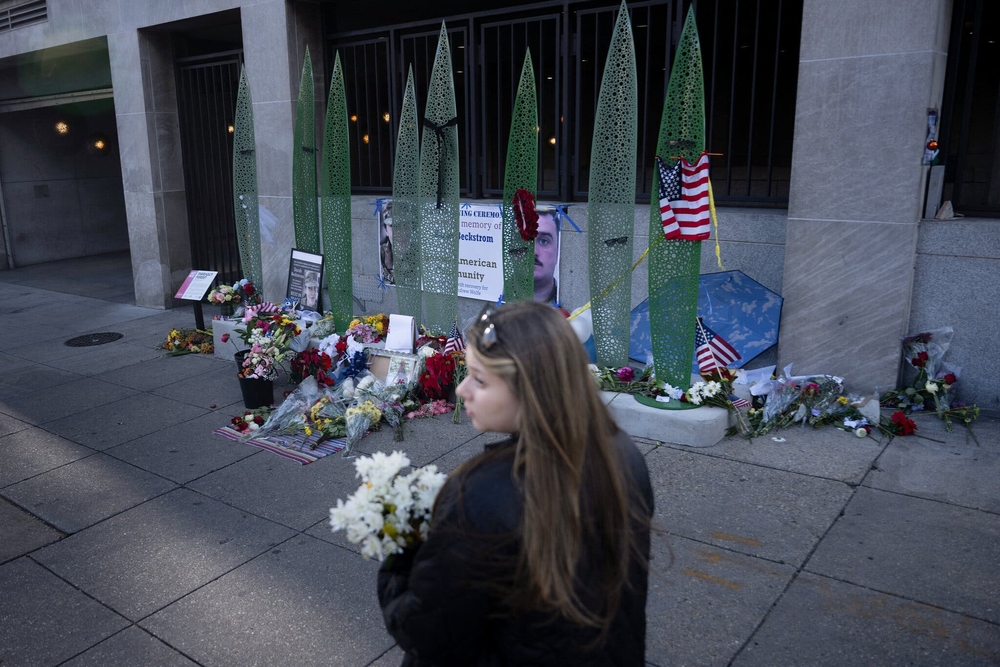
On November 26th, a horrific attack unfolded near the Farragut West Metro station in Washington D.C., targeting two National Guard members performing their duties. Rahmanullah Lakanwal, a 29-year-old Afghan refugee who had immigrated to the United States in 2021 after working with CIA-backed paramilitary units, allegedly drove across the country from Bellingham, Washington to carry out this violent assault. The victims, Air Force Staff Sergeant Andrew Wolfe and Army Specialist Sarah Beckstrom, were simply doing their jobs protecting the nation’s capital when they were brutally attacked.
Tragically, Specialist Sarah Beckstrom succumbed to her injuries the day after the shooting, making the ultimate sacrifice in service to her country. Staff Sergeant Andrew Wolfe, aged 24, suffered a head wound but has been making “extraordinary progress” according to his doctors. The human cost of this attack cannot be overstated—a young life lost, another forever changed, and families shattered by senseless violence.
Legal Proceedings and Charges
Lakanwal initially faced charges in Superior Court in Washington D.C., including first-degree murder, assault, and weapons charges, to which he pleaded not guilty on December 2nd. However, since the District of Columbia does not permit the death penalty, the case has been transferred to District Court where federal firearm charges that could carry capital punishment may be pursued. U.S. Attorney Jeanine Pirro stated that this move allows for the “serious, deliberate, and weighty analysis required to determine if the death penalty is appropriate here.”
According to three sources with knowledge of the case who were not authorized to speak publicly, Lakanwal had received asylum from the U.S. government in April 2023, just months before the attack. This detail adds layers of complexity to an already tragic situation, raising questions about vetting processes and the balance between humanitarian obligations and national security concerns.
The Broader Context
This attack occurs against a backdrop of heightened political tension regarding immigration and refugee policies. Since the incident, former President Trump has intensified his aggressive anti-migrant stance and instituted a sweeping prohibition on refugee admissions. The tragedy has inevitably become entangled in broader political debates about border security, refugee vetting, and national safety.
The victims represent the best of America—young people willing to serve their country in uniform. Their attack while on duty in the nation’s capital strikes at the heart of our collective sense of security and raises profound questions about how we protect those who protect us.
A Human Tragedy and Institutional Challenge
At its core, this story represents a devastating human tragedy. Specialist Sarah Beckstrom’s death leaves a void that can never be filled—a life of promise cut short, a family forever grieving, and a nation mourning one of its protectors. Staff Sergeant Andrew Wolfe’s recovery, while promising, represents a long road ahead both physically and emotionally. These are the human costs that must remain central to our understanding of this event.
From an institutional perspective, this case presents complex challenges to our justice system, our immigration policies, and our national security apparatus. The decision to pursue federal charges that could carry the death penalty reflects the gravity of attacking military personnel on duty. It also demonstrates the legal system’s capacity to respond proportionately to crimes of this magnitude while maintaining due process and constitutional protections.
Balancing Security and Compassion
The revelation that the suspect was a recently granted asylee forces us to confront difficult questions about our refugee and asylum systems. America has long prided itself on being a beacon of hope for those fleeing persecution—a nation built by immigrants and refugees seeking better lives. This tradition represents some of our most cherished values: compassion, opportunity, and freedom.
However, this tragedy reminds us that security considerations must be integral to our humanitarian efforts. The fact that someone who worked with CIA-backed paramilitary units could allegedly carry out such an attack suggests potential vulnerabilities in our vetting processes. We must ask difficult questions: Are our screening mechanisms sufficient? Do we have adequate resources for monitoring and integration? How do we balance our moral obligations with our security imperatives?
This is not about abandoning our humanitarian values but about ensuring that our systems are robust enough to protect both newcomers and existing citizens. A secure immigration system ultimately serves everyone—it builds public confidence in the process and ensures that those genuinely seeking refuge can integrate successfully without fear or suspicion.
The Political Dimension
The immediate politicization of this tragedy following the attack is both predictable and regrettable. While legitimate policy debates should occur, we must guard against exploiting human suffering for political gain. The victims and their families deserve respect and dignity, not becoming pawns in broader political battles.
Our approach to national security and immigration policy should be grounded in evidence, thoughtful analysis, and respect for human dignity—not reactionary measures or inflammatory rhetoric. The complex nature of modern security threats requires nuanced solutions that address root causes while maintaining our constitutional principles and humanitarian commitments.
Moving Forward with Principle and Resolve
As we process this tragedy, we must honor Specialist Beckstrom’s memory and support Staff Sergeant Wolfe’s recovery while ensuring justice is served through our legal system. We must also engage in thoughtful examination of how to prevent such tragedies in the future without sacrificing our values.
This means strengthening vetting processes where necessary, ensuring adequate resources for integration and monitoring programs, and maintaining robust support for law enforcement and military personnel. It means having difficult conversations about security protocols for those protecting public spaces. And it means doing all this while preserving the constitutional rights and human dignity of all involved.
The attack on our National Guard members represents a failure on multiple levels—a failure to prevent violence, a failure to protect those who protect us, and perhaps a failure in our systems designed to balance security and compassion. Addressing these failures requires wisdom, courage, and commitment to both security and liberty.
In the end, how we respond to this tragedy will define us as a nation. Will we respond with fear and reactionary policies, or with resolve and thoughtful reform? Will we honor the victims by building a society that is both compassionate and secure? The answers to these questions will determine whether something positive can emerge from this profound tragedy.
We owe it to Specialist Beckstrom, Staff Sergeant Wolfe, their families, and all those who serve to get this right—to create systems that protect both our security and our values, that honor both our humanitarian traditions and our safety needs. This difficult balance is essential to preserving the America we cherish—a nation that is both safe and free, both compassionate and secure.