
A Preventable Tragedy: Systemic Failures and Human Cost in the Bristol Nursing Home Explosion
Published
- 3 min read
The Tragic Events Unfold
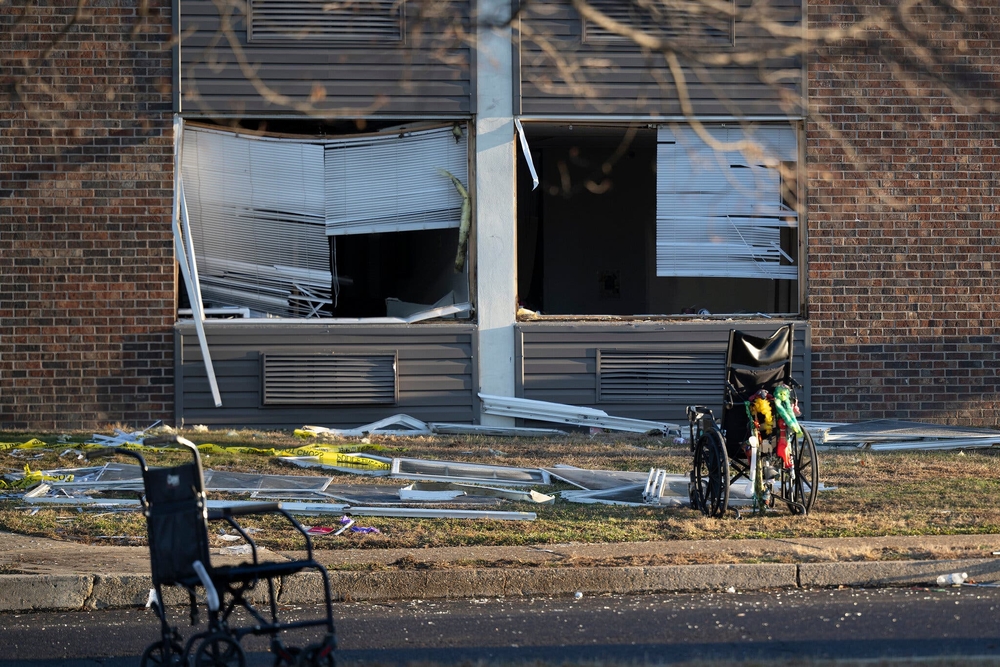
On what should have been a joyful Christmas Eve eve, tragedy struck the Bristol Health and Rehab Center in eastern Pennsylvania when two explosions tore through the facility, claiming the lives of 52-year-old nurse Muthoni Nduthu and an elderly resident while injuring 20 others. The catastrophic event occurred just hours after PECO, the regional energy company, had responded to reports of a gas smell at approximately 2 p.m. on Tuesday. The timing proved devastatingly ironic - Ms. Nduthu was scheduled to complete her final nursing shift before embarking on a holiday road trip to visit relatives in North Carolina.
The explosions transformed the 120-resident facility into what officials described as “fiery chaos,” trapping vulnerable residents in elevator shafts, stairwells, and a collapsed basement. The heroic efforts of first responders prevented even greater loss of life, with rescuers carrying wheelchair-bound residents on their shoulders to safety. By Wednesday afternoon, 19 people remained hospitalized, one in critical condition, while emergency crews continued their grim work at the partially collapsed facility.
A Troubled Facility’s History
The Bristol Health and Rehab Center’s track record reveals a disturbing pattern of neglect that makes this tragedy feel particularly preventable. According to federal Medicare ratings, the facility scored just one out of five stars - classified as “much below average” based on health inspections and staffing measures. The numbers tell a horrifying story: 24 citations from a September 2024 inspection alone, more than double both the national and Pennsylvania averages.
This wasn’t merely bureaucratic red tape. The facility had been fined a staggering $418,000 in 2024 for violations that included administering seizure medication to the wrong patient without investigating the error, failing to schedule critical appointments, and neglecting prescribed wound care. Inspectors documented broken handrails in hallways, failure to address resident drug abuse despite multiple overdoses, inappropriate treatment for dementia patients, medication errors, and disregard for food allergies. Perhaps most tellingly, 200 complaints over three years resulted in citations, including instances where staff failed to contact physicians after resident injuries and where an employee was fired for calling a difficult resident a “wicked witch.
A Life Cut Short
The human cost of this tragedy becomes painfully clear through the story of Muthoni Nduthu, an immigrant from Kenya who came to America in 2004 seeking opportunity. Like countless immigrants before her, she built her life from scratch, finding purpose in caring for older and frail Americans as a licensed practical nurse. Her son Clinton Ndegwa described her as a “strong mom” who stressed education and hard work to her children while taking pride in her service to others.
The heartbreaking details of her unfinished life emerge in poignant fragments: a chicken prepared for Christmas dinner remains uneaten in her refrigerator; a Coach bag purchased by her son sits ungiven; plans for a Kenyan feast featuring beef pilau and mahamri pastries will never be realized. These small, human details underscore the profound loss - not just of a life, but of dreams, connections, and the quiet dignity of hard work rewarded.
Systemic Failure Demands Systemic Solutions
This tragedy represents more than a single catastrophic event - it exposes a healthcare system failing at multiple levels. The pattern of violations at Bristol Health and Rehab Center didn’t emerge overnight. They accumulated over years, documented repeatedly by inspectors yet apparently insufficient to trigger meaningful intervention. When corporate entities prioritize profit over patient safety, and regulatory systems lack the teeth to enforce meaningful change, vulnerable populations pay the ultimate price.
The response from Saber Healthcare Group, which affiliates with the facility, offers little comfort. Their spokesman Gregory Nicoluzakis stated the facility “promptly reported a gas smell” to the power company, but this procedural correctness rings hollow against the backdrop of systemic neglect. Reporting a problem is the bare minimum - creating an environment where such problems don’t repeatedly endanger lives is the actual responsibility of healthcare providers.
The Moral Imperative for Healthcare Reform
What makes this tragedy particularly galling is its preventability. Every cited violation, every failed inspection, every complaint represented an opportunity to intervene before disaster struck. The broken handrails, medication errors, and staffing deficiencies weren’t merely administrative shortcomings - they were warning signs of a facility operating in a state of perpetual crisis.
As a society, we must confront difficult questions about how we value both our healthcare workers and our most vulnerable citizens. Muthoni Nduthu represented the best of America - an immigrant who came here seeking opportunity and found purpose in serving others. That she lost her life in an institution with such documented deficiencies represents a profound moral failure.
Accountability and the Path Forward
The investigation into the exact cause of the explosions continues, with federal agencies including the Bureau of Alcohol, Tobacco, Firearms and Explosives’ National Response Team on site. While determining the specific technical failure is crucial, we cannot allow this to become merely a question of mechanical malfunction. The context matters profoundly - and the context here is one of documented, repeated, systemic failure.
True accountability requires addressing not just what happened on December 23rd, but what allowed conditions to deteriorate to this point. It demands examining why regulatory mechanisms failed to protect residents and staff despite clear warning signs. It necessitates confronting how corporate structures can become insulated from the human consequences of their operational decisions.
Honoring the Lost Through Meaningful Change
As we mourn Muthoni Nduthu and the unnamed resident who perished alongside her, we must channel our outrage into meaningful reform. This means strengthening regulatory oversight with real teeth, ensuring that facilities with patterns of violations face consequences beyond financial penalties. It means valuing healthcare workers not as disposable labor but as professionals deserving safe working conditions. Most importantly, it means recognizing that our treatment of society’s most vulnerable members - the elderly, the ill, those in long-term care - reflects our fundamental values as a nation.
The uneaten Christmas chicken in Ms. Nduthu’s refrigerator serves as a haunting symbol of interrupted lives and unfulfilled promises. We owe it to her memory, to the lost resident, to the injured, and to every healthcare worker and patient in similar facilities nationwide to ensure this tragedy becomes a catalyst for change rather than merely another statistic. The explosions in Bristol should reverberate through boardrooms and legislative chambers alike, awakening us to the urgent need for a healthcare system that truly protects those who depend on it most.