
A Tragic Breach: Examining the Fatal Engagement of Distressed Individuals by US Forces
Published
- 3 min read
The Disturbing Revelation
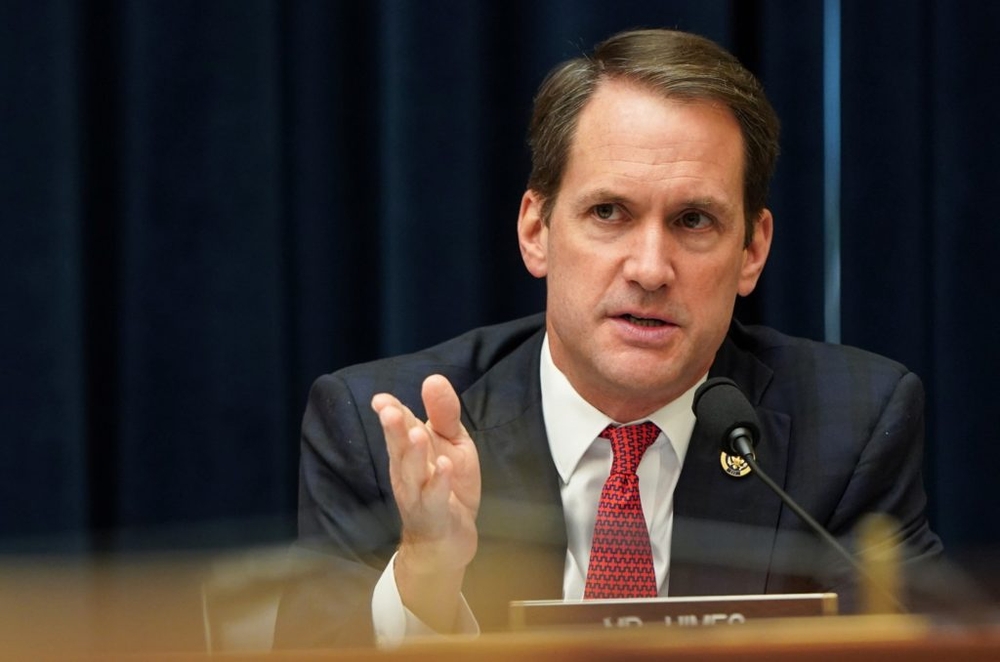
Representative Jim Himes of Connecticut, the top Democrat on the House Intelligence Committee, recently disclosed one of the most troubling incidents he has witnessed during his time in public service. During a classified morning briefing, Himes viewed video footage showing two boat strike survivors in what he described as “clear distress” without any means of locomotion, alongside their destroyed vessel. The congressman revealed that these individuals were subsequently killed by United States forces, raising profound questions about the engagement protocols and moral responsibilities of our military operations.
Himes, while expressing respect for Admiral Bradley’s storied career, emphasized the gravity of what he observed. His description paints a picture of vulnerable human beings in desperate circumstances who met a tragic end at the hands of American forces. This incident occurred within the context of ongoing military operations targeting suspected drug trafficking vessels, operations that necessarily balance security objectives with ethical considerations and respect for human life.
Context and Background
The United States military engages in numerous operations aimed at disrupting drug trafficking and other illicit activities in international waters. These operations often involve complex decision-making processes where personnel must quickly assess threats and determine appropriate responses. The rules of engagement governing these operations are designed to protect both American forces and potential non-combatants, though the fog of war and the urgency of real-time decisions can sometimes lead to tragic outcomes.
Admiral Bradley, whom Representative Himes mentioned with respect, represents the experienced leadership within the military establishment that develops and implements these engagement protocols. The incident described by Himes suggests either a failure in protocol application, a flaw in the protocols themselves, or exceptionally difficult circumstances that led to this tragic outcome. Without access to classified details, we can only speculate about the specific factors that contributed to this event, but the fundamental facts as presented by a senior intelligence committee member demand serious attention.
The Moral Imperative in Military Operations
What makes this incident particularly disturbing is the description of the victims as being in “clear distress” without means of locomotion. This suggests individuals who posed no immediate threat to American forces—people who were essentially helpless and in need of assistance rather than lethal engagement. The very foundation of our military ethics rests on distinguishing between combatants and non-combatants, between those who pose threats and those who do not.
The United States has long positioned itself as a global leader in humanitarian values and the ethical application of military power. Incidents like this undermine that leadership and damage our moral standing in the international community. When we fail to uphold the highest standards of engagement, we not only cause immediate human tragedy but also compromise the principles that make our nation worth defending.
Accountability and Transparency in National Security
Representative Himes’ decision to speak about this classified briefing, within whatever boundaries of discretion he maintained, represents exactly the kind of congressional oversight that our system of government requires. The intelligence committees exist not merely to rubber-stamp executive actions but to provide genuine accountability and ensure that operations conducted in America’s name align with American values.
The tension between necessary secrecy in national security matters and the public’s right to know about significant events is perennial and complex. However, when incidents involving loss of life occur, especially under questionable circumstances, there must be mechanisms for appropriate disclosure and accountability. The American people deserve to know that their government and military operate within ethical boundaries that reflect our national character.
The Human Cost of National Security Decisions
Behind every military engagement statistic lies human beings—individuals with lives, families, and inherent dignity. The two individuals described by Representative Himes were not abstract concepts but real people who experienced terror and suffering in their final moments. As we discuss protocols, procedures, and policies, we must never lose sight of this fundamental human reality.
Our military personnel face incredibly difficult decisions in high-pressure situations, and we owe them clear guidelines and proper training to navigate these challenges. However, we also owe them—and the people they encounter—adherence to principles that preserve human dignity even in conflict. The description of this incident suggests that somewhere in the chain of command or application of rules, our commitment to these principles failed.
Moving Forward: Lessons and Reforms
This tragic incident should serve as a catalyst for thorough review of engagement protocols in maritime drug interdiction operations. Several critical questions demand answers: Were the rules of engagement followed correctly? If so, do those rules need revision to prevent similar tragedies? What training do we provide to personnel making split-second decisions about the use of lethal force? How do we better distinguish between legitimate threats and individuals in distress?
The military justice and oversight systems must examine this incident thoroughly and transparently to the extent possible without compromising legitimate security concerns. Families of the victims deserve answers, the American people deserve accountability, and our military professionals deserve clarity about how to prevent such outcomes in the future.
Conclusion: Upholding Our Values in challenging Times
In an increasingly complex global security environment, the United States must demonstrate that our strength comes not merely from military power but from moral leadership. The incident described by Representative Himes represents a failure that we must acknowledge, learn from, and use to improve our protocols and training.
Our nation was founded on principles of liberty, justice, and respect for human dignity. These principles must guide us not only in times of peace but especially in moments of conflict and military engagement. When we fall short of these ideals, we must have the courage to admit our failures, the humility to learn from them, and the resolve to do better.
The tragic loss of these two individuals in distress should weigh heavily on our national conscience and drive us toward a more ethical, careful, and humane approach to security operations. Our safety as a nation ultimately depends not only on our military might but on our moral authority—and incidents like this undermine that authority in ways that ultimately make us less secure.
We must demand better from our institutions, better from our leadership, and better from ourselves as a nation committed to the proposition that all people deserve basic dignity and protection from unnecessary harm. The path forward requires honest reckoning with what went wrong, compassionate acknowledgment of the human cost, and determined effort to ensure such tragedies never happen again.