
Bipartisan Moral Courage: Senators Break Ranks to Condemn Putin's Brutality
Published
- 3 min read
The Context: A Critical Diplomatic Moment
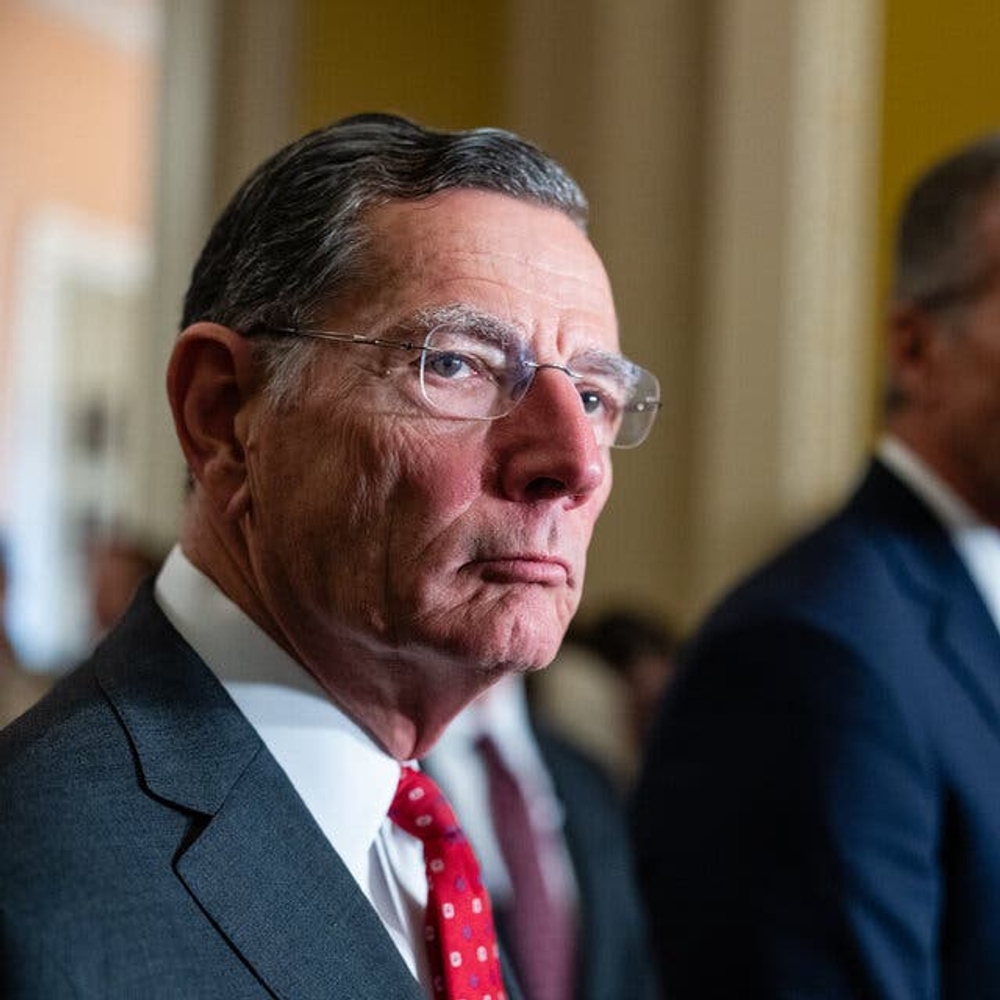
As President Trump prepares for his expected meeting with Ukrainian President Volodymyr Zelensky this Sunday, a remarkable display of bipartisan moral clarity has emerged from the United States Senate. Three Republican senators—John Barrasso of Wyoming, Jerry Moran of Kansas, and Thom Tillis of North Carolina—joined five Democratic colleagues and Independent Senator Angus King in issuing a powerful statement that cuts through diplomatic niceties to confront hard truths about Vladimir Putin’s Russia. This statement represents a significant moment in American foreign policy discourse, occurring at a crucial juncture in the Russia-Ukraine conflict and ahead of high-stakes diplomatic engagements.
The timing of this bipartisan condemnation is particularly noteworthy. The statement specifically references Russian attacks that continued over the Christmas holiday period, highlighting Putin’s disregard for ceasefires and religious observances. The senators’ declaration describes Putin as a “ruthless murderer who has no interest in peace” and who “cannot be trusted,” language that stands in stark contrast to the often ambiguous messaging coming from various quarters of the American political establishment.
The Statement and Its Signatories
The bipartisan coalition behind this statement represents a cross-section of American political leadership. Led by Senator Jeanne Shaheen of New Hampshire, the top Democrat on the Foreign Relations Committee, the statement gained signatures from across the political spectrum. Democratic Senators Jacky Rosen of Nevada, Chris Coons of Delaware, Jeff Merkley of Oregon, and Chris Van Hollen of Maryland joined Independent Senator Angus King of Maine in this moral stand.
What makes this development particularly significant is the Republican participation. Senators Barrasso, Moran, and Tillis broke from party alignment to join this forceful condemnation, demonstrating that principles can sometimes transcend partisan loyalty. The statement notably did not criticize President Trump’s handling of peace talks between Russia and Ukraine, suggesting the senators sought to make a moral statement rather than a political critique.
Equally telling were the absences. Senator Jim Risch of Idaho, chairman of the Foreign Relations Committee and a close Trump ally, did not join the statement, nor did most Republican members of that committee. This pattern of support and absence reveals the continuing tensions within the Republican Party regarding how to approach Putin’s Russia.
The Broader Political Landscape
Republican strategist Alex Conant provided crucial context for understanding this development, noting that senators in the party have displayed “time and time again” that they were more skeptical of Mr. Putin than the president “might be inclined to be.” This observation underscores a persistent divide within conservative circles regarding Russia policy—a divide that has been apparent since Russia’s initial invasion of Ukraine in 2014 and throughout the various investigations into Russian election interference.
Conant suggested the statement appeared aimed at offering Zelensky bipartisan support at a crucial moment. This interpretation aligns with the timing just before Trump’s meeting with the Ukrainian president and reflects an understanding that American support for Ukraine must remain steadfast and unambiguous, regardless of political winds in Washington.
The Moral Imperative in Foreign Policy
What we are witnessing here is nothing less than a reassertion of moral clarity in American foreign policy. The senators’ statement cuts through diplomatic ambiguity to name evil for what it is: “It bears repeating that President Zelensky agreed to a Christmas truce, but Putin declined, yet he directs soldiers to continue to commit brutal crimes of aggression on one of Christianity’s holiest days.”
This language matters profoundly. By specifically mentioning the violation of a Christmas truce, the senators emphasize that Putin’s aggression represents not just a geopolitical challenge but a moral outrage. This framing elevates the conversation from mere strategic considerations to fundamental questions of human dignity and international norms.
The choice to emphasize the religious aspect of the timing is particularly significant. It appeals to shared values that transcend political divisions and reminds us that some actions are simply wrong, regardless of political calculations. This moral language creates a foundation for bipartisan cooperation that pragmatic arguments alone cannot achieve.
The Courage of Principle Over Party
The three Republican senators who signed this statement deserve particular recognition for their political courage. In an era of intense partisan polarization, breaking ranks on matters of foreign policy requires genuine conviction. Their willingness to join this condemnation demonstrates that principle can still triumph over party loyalty when fundamental values are at stake.
This action represents the best of American political tradition—elected officials putting country above party when confronting threats to democracy and human dignity. Their participation lends crucial bipartisan credibility to America’s moral stance against Russian aggression and strengthens our position on the world stage.
The Limitations of the Statement
While commendable, we must also recognize the limitations of this development. The statement specifically avoided criticizing President Trump’s handling of peace talks, suggesting political constraints even among those willing to take a moral stand. This careful positioning indicates the continuing sensitivity around Russia policy within Republican circles.
The absence of most Republican Foreign Relations Committee members, including Chairman Risch, reminds us that this bipartisan consensus remains partial rather than complete. Significant elements within the Republican establishment continue to resist clear condemnations of Putin’s regime, maintaining ambiguity where moral clarity is desperately needed.
The Path Forward: Principles Over Politics
This bipartisan statement should serve as a model for how American foreign policy ought to operate—with moral clarity, bipartisan cooperation, and unwavering support for democratic values. The senators involved have demonstrated that standing against authoritarian aggression isn’t a Democratic or Republican issue—it’s an American imperative.
As we move forward, our leaders must build on this foundation. American foreign policy should consistently reflect our nation’s founding principles of liberty, democracy, and human dignity. This means unequivocally supporting democratic allies like Ukraine while clearly condemning authoritarian aggression from Russia and other hostile powers.
The continued bipartisan support for Ukraine sends a crucial message to both allies and adversaries: that American commitment to democratic values transcends presidential administrations and political cycles. This consistency is essential for maintaining America’s leadership role in defending the international order against authoritarian challenges.
Conclusion: A Hope for Renewed Moral Leadership
This bipartisan Senate statement represents a flicker of hope in often-dark times. It demonstrates that despite our deep political divisions, Americans can still unite around fundamental principles of human dignity and democratic values. The senators involved have shown that courage and conviction can still shape our foreign policy discourse.
As citizens committed to democracy and liberty, we must encourage more such displays of moral clarity from our elected officials. We should demand that our foreign policy consistently reflects America’s best values rather than temporary political considerations. The brave senators who signed this statement have shown the way forward—now we must ensure others follow their example.
In the face of authoritarian aggression, moral ambiguity is moral failure. These senators have chosen moral courage, and their stand deserves both recognition and emulation. May their example inspire a broader recommitment to principle-based foreign policy that defends democracy, protects liberty, and confronts tyranny wherever it appears.