
California's CARE Court Expansion: A Promise Unfulfilled in Mental Health Reform
Published
- 3 min read
The Legislative Context and Program Overview
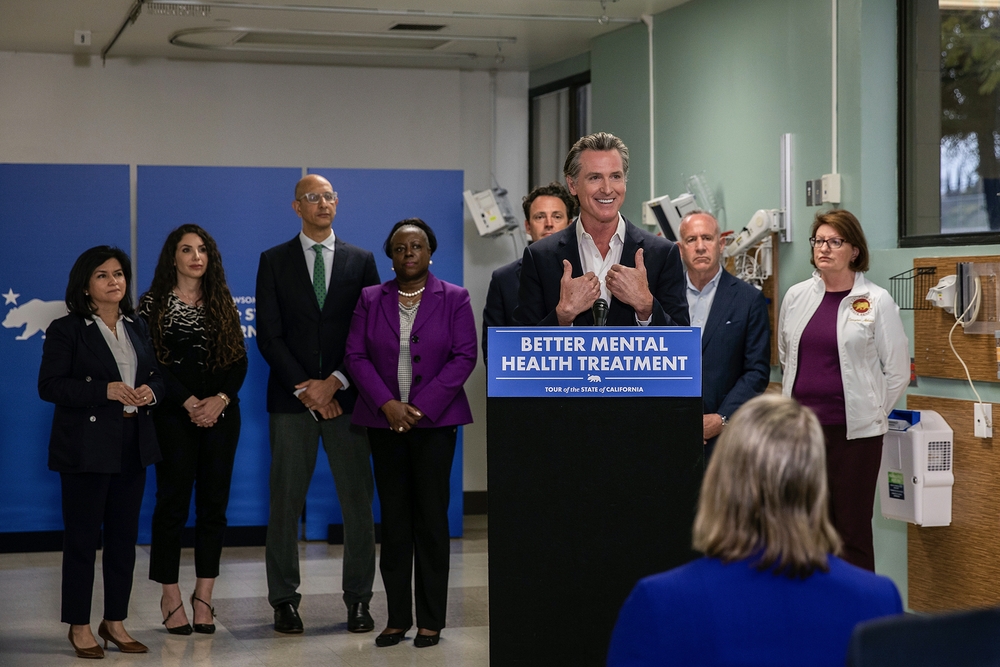
In 2023, Governor Gavin Newsom launched the Community Assistance, Recovery, and Empowerment (CARE) Court program with ambitious goals to revolutionize mental health care delivery across California counties. This innovative approach created a judicial pathway for coordinating mental health treatment, medication management, and housing placements for individuals experiencing severe psychosis, particularly those experiencing homelessness. The program represented a significant departure from traditional mental health approaches by integrating judicial oversight with clinical care.
The recent legislative expansion through Senate Bill 27, authored by Democratic Senator Tom Umberg of Santa Ana, represents a critical evolution of this initiative. Effective January 1st, the law broadens eligibility criteria to include individuals experiencing psychosis as a result of bipolar disorder, moving beyond the original restriction to schizophrenia and related psychotic disorders. This expansion acknowledges the complex nature of mental health conditions and the need for comprehensive care approaches that address diverse manifestations of severe mental illness.
Implementation Challenges and Performance Gaps
The implementation reality, however, paints a concerning picture that demands urgent attention. According to data from the Judicial Council of California, as of October 2023, courts had received only 3,092 petitions, approved 684 treatment agreements, and ordered merely 22 CARE plans. These numbers stand in stark contrast to the Newsom administration’s initial projections of serving between 7,000 and 12,000 Californians. This represents a catastrophic implementation gap of approximately 90-97% below projected service levels.
Investigations by CalMatters have revealed multiple systemic failures: the program is helping significantly fewer people than projected, struggling to effectively assist homeless participants, and disappointing families who had hoped for intervention for loved ones unable to consent to treatment. The logistical complexity of court involvement appears to be creating barriers rather than facilitating access to care, fundamentally undermining the program’s intended purpose.
The Human Cost of Bureaucratic Failure
What makes these implementation failures particularly devastating is the human tragedy they represent. Each unmet projection represents a real person—someone sleeping on streets, experiencing untreated psychosis, or cycling through emergency rooms and jails instead of receiving structured, compassionate care. Families who placed their hope in this program now face the crushing reality that systemic inefficiencies prevent their loved ones from accessing potentially life-saving interventions.
The expansion to include bipolar disorder patients, while commendable in principle, risks becoming another empty promise if underlying implementation issues remain unaddressed. Senator Umberg himself acknowledges that while the expansion could help reach more people, he doesn’t expect it to dramatically increase program numbers. This sober assessment from the legislation’s author speaks volumes about the depth of systemic challenges.
Constitutional and Ethical Imperatives
From a constitutional perspective, the state has both a responsibility and a compelling interest in providing care for its most vulnerable citizens. The expansion of CARE Court represents recognition that mental health care is not merely a social service but a fundamental requirement for preserving life, liberty, and the pursuit of happiness. However, creating rights without effective mechanisms for their exercise constitutes a hollow victory for civil liberties.
The integration of criminal justice referrals for individuals deemed incompetent to stand trial raises particularly complex constitutional questions. While providing treatment alternatives to incarceration aligns with progressive justice principles, we must ensure that judicial oversight enhances rather than diminishes individual autonomy and treatment quality. The combination of court hearings intended to reduce administrative burden must not come at the cost of thorough judicial review and individual rights protection.
Systemic Reform Requirements
The dramatic shortfall between projected and actual service delivery reveals fundamental flaws in program design and implementation. Counties appear uncertain about the impact of expansion, with San Diego estimating potential increases ranging from 3.5% to 48.1%—an astonishingly wide variance that suggests inadequate planning and resource allocation. Such uncertainty in forecasting demonstrates either insufficient data analysis or fundamental misunderstandings of community needs.
Effective mental health reform requires more than legislative expansion; it demands comprehensive system restructuring including adequate funding, workforce development, community engagement, and continuous performance monitoring. The procedural changes combining court hearings, while potentially reducing administrative burden, must be accompanied by robust safeguards ensuring that efficiency doesn’t compromise care quality or individual rights.
The Path Forward: Accountability and Compassionate Implementation
As advocates for effective governance and human dignity, we must demand both accountability for implementation failures and commitment to corrective action. The expansion to include bipolar disorder represents progress, but progress without execution becomes merely symbolic. We need transparent reporting mechanisms, independent program evaluation, and meaningful stakeholder engagement including patients, families, clinicians, and community organizations.
The tragedy of unmet mental health needs in California represents both a moral failure and a practical emergency. Every day without effective intervention means continued suffering, increased emergency service utilization, and potential loss of life. Our commitment to constitutional principles requires that we treat mental health care not as a discretionary program but as an essential government function deserving of rigorous implementation and adequate resources.
Conclusion: Hope Tempered by Reality
The CARE Court expansion represents California’s continuing attempt to address its mental health crisis through innovative approaches. However, innovation without execution risks becoming merely another well-intentioned failure. We must honor the humanity of those suffering by ensuring that legislative promises translate into tangible care delivery. The gap between aspiration and reality serves as a sobering reminder that policy success requires not just good intentions but effective implementation, adequate resources, and relentless accountability.
Our constitutional commitment to life, liberty, and the pursuit of happiness demands nothing less than full implementation of mental health care reforms that actually reach those in desperate need. The expansion of CARE Court to include bipolar disorder patients could represent significant progress, but only if accompanied by fundamental improvements in program execution and resource allocation. The human cost of continued failure is simply too high to accept anything less than comprehensive reform and effective implementation.