
California's CARE Court Failure: A Betrayal of Vulnerable Citizens and Democratic Principles
Published
- 3 min read
The Promise and Reality of CARE Court
In 2022, California Governor Gavin Newsom introduced what appeared to be a groundbreaking solution to address the state’s mental health and homelessness crisis. The Community Assistance, Recovery, and Empowerment (CARE) Court program was designed to provide seriously mentally ill individuals with the comprehensive support they desperately needed while getting them off the streets. For countless families across California, particularly those with loved ones struggling with severe mental health challenges, this initiative represented a beacon of hope—a promise that finally, their cries for help would be answered by a system that had long failed them.
The program initially rolled out in select counties with plans for statewide implementation by the end of 2024. However, according to extensive investigations by CalMatters reporters Marisa Kendall, Jocelyn Wiener, Yue Stella Yu, and Erica Yee, the reality of CARE Court has fallen dramatically short of its ambitious promises. While the program has helped some individuals, many families and participants interviewed expressed profound frustration with its limitations and implementation failures.
The Human Cost of Systemic Failure
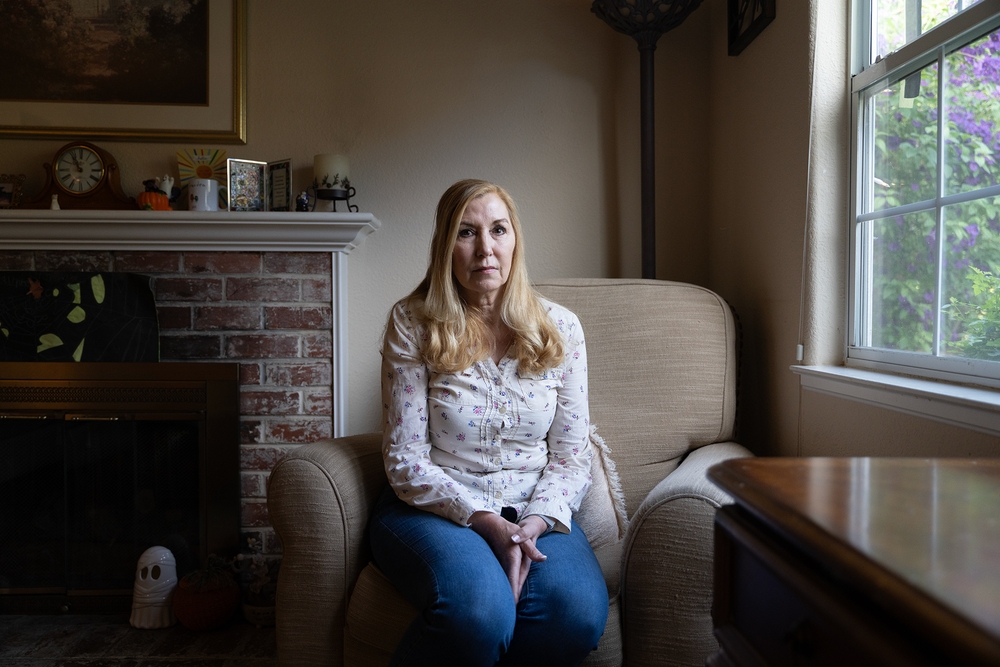
The heartbreaking testimony of Ronda Deplazes, a mother fighting for her son’s release from CARE Court, encapsulates the emotional devastation wrought by this failed promise: “We get so pumped up with hope. I think the frustration and disappointment is more than a person can bear. That’s the truth of it. That is the bottom line.” These words represent not just one family’s struggle but a systemic collapse that affects thousands of vulnerable Californians who deserve dignity, care, and effective government support.
Meanwhile, other critical issues demand attention alongside the CARE Court failure. Two nonprofits—Climate Resolve and Resilient Cities Catalyst—proposed raising Los Angeles County’s sales tax to create a “Los Angeles County Resilience District” to fund wildfire protection projects. This suggestion comes amid growing climate threats, with the organizations noting that every dollar invested in disaster prevention saves $13 in avoided damages. However, implementing such a measure would require state legislative approval and voter support through a 2028 ballot measure—a challenging political undertaking.
Food insecurity remains another pressing concern, with Tess Thorman of the Public Policy Institute of California testifying that 23% of California households experienced food insecurity in 2023. Alarmingly, federal policy changes under former President Donald Trump threaten to worsen this situation, potentially stripping CalFresh benefits from as many as 620,000 Californians through new work requirements.
A Democratic Crisis of Trust and Competence
As a staunch defender of democratic principles and constitutional values, I view the failure of CARE Court as more than just a policy mishap—it represents a fundamental breach of the social contract between government and citizens. When vulnerable populations are promised help and then abandoned by the very systems designed to protect them, it erodes public trust in democratic institutions and undermines the foundational principles of our republic.
The mental health crisis in California is not merely a healthcare issue; it is a profound test of our commitment to human dignity and the constitutional promise of “general welfare” for all citizens. The fact that families like Ronda Deplazes’ are left bearing unbearable disappointment demonstrates how bureaucratic failures can inflict real human suffering. This is precisely the type of institutional failure that destroys public confidence in governance and fuels cynicism about government’s ability to solve complex social problems.
What makes the CARE Court failure particularly troubling is that it occurred within a broader context of systemic challenges facing California. From wildfire preparedness to food insecurity to pension management transparency, the state appears to be struggling with effective governance across multiple domains. Dan Walters’ column highlighting how many budget deficits trace back to squandered federal COVID-19 aid further illustrates this pattern of mismanagement.
The Principle of Government Accountability
In a functioning democracy, government programs must be held to the highest standards of accountability and effectiveness. The CARE Court initiative, while well-intentioned, appears to have suffered from inadequate implementation, insufficient resources, or flawed design—all common failures in government programs that prioritize announcement over execution. This pattern undermines the very purpose of government: to serve the people effectively and efficiently.
The proposal to address wildfire risks through a sales tax increase raises important questions about fiscal responsibility and governance priorities. While disaster prevention is undoubtedly crucial, taxpayers deserve assurance that their money will be used effectively rather than adding to California’s already high tax burden without corresponding results. The $5 million estimated cost to pursue this measure through the ballot process itself represents significant public expenditure that must be justified by likely success and effectiveness.
The food insecurity data reveals another dimension of governance failure. That nearly a quarter of California households face food insecurity in one of the nation’s wealthiest states is nothing short of scandalous. The potential loss of benefits for hundreds of thousands due to federal policy changes demands proactive state-level solutions rather than passive acceptance of deteriorating conditions.
Toward Solutions That Uphold Democratic Values
Addressing these multifaceted challenges requires more than just program announcements or tax proposals—it demands a fundamental recommitment to effective governance that puts citizens’ needs first. For mental health, this means designing programs with input from families and patients, ensuring adequate funding and staffing, and creating transparent accountability measures. For environmental threats, it means developing scientifically sound, fiscally responsible strategies that genuinely protect communities. For food insecurity, it means creating robust safety nets that ensure no Californian goes hungry.
The failure of CARE Court should serve as a wake-up call for all who believe in government’s capacity to solve social problems. We must demand better—not through cynicism or withdrawal from civic engagement, but through renewed commitment to holding our leaders accountable for results rather than rhetoric. The families depending on these programs deserve nothing less than our fullest effort to create government that works effectively and compassionately.
In the spirit of democratic renewal, we must advocate for reforms that ensure transparency, accountability, and effectiveness in all government programs. This includes rigorous oversight, independent evaluation, and meaningful citizen participation in policy design and implementation. Only through such democratic practices can we restore trust in our institutions and ensure that promises made to vulnerable citizens become promises kept.
The story of CARE Court’s failure is ultimately a story about the gap between political promises and practical reality—a gap that vulnerable citizens fall through every day. As defenders of democracy and human dignity, we must work tirelessly to close this gap and build a government that truly serves all its citizens with competence, compassion, and effectiveness.