
California's EDD Crisis: When Government Fails Its Most Vulnerable Citizens
Published
- 3 min read
The Shocking Discovery
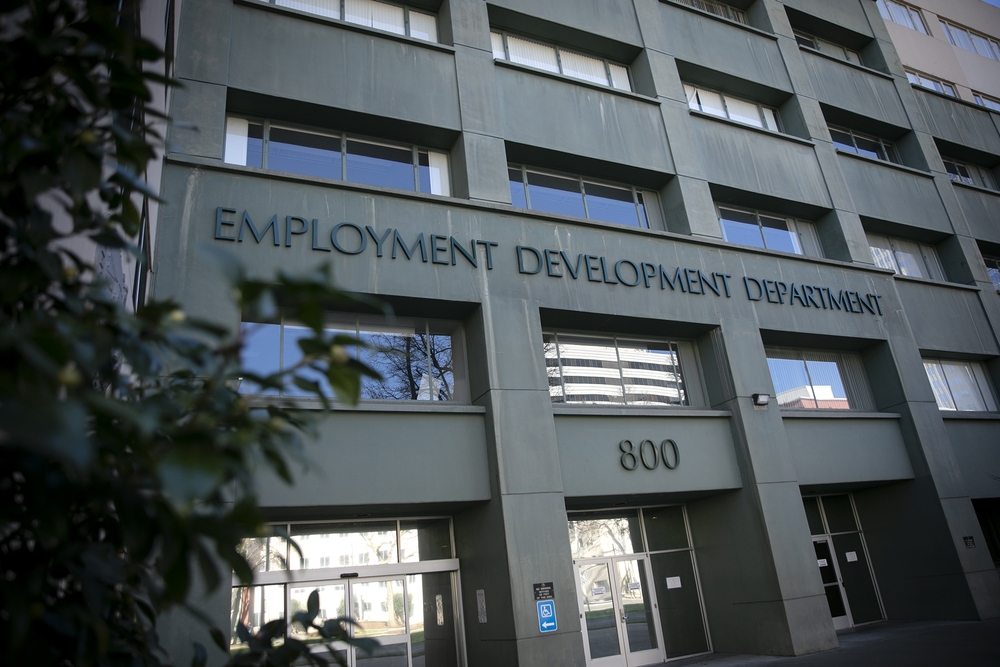
A recent state audit has uncovered one of the most egregious examples of government waste in recent California history. The Employment Development Department (EDD), the agency responsible for distributing benefits to millions of suddenly unemployed Californians during the pandemic, accumulated 7,224 cellphones and wireless hotspots for call center employees to work from home. Then, in what can only be described as bureaucratic negligence of the highest order, the department forgot to cancel these devices once they were no longer in use. This oversight resulted in staggering monthly service fees totaling $4.6 million - funds that could have provided critical assistance to struggling families instead of lining Verizon’s pockets.
The Human Cost of Bureaucratic Failure
The audit findings represent more than just financial waste; they symbolize a fundamental breakdown in governance when Californians needed their government most. While the EDD was paying millions for unused cellphones, the agency was simultaneously failing in its core mission: delivering unemployment benefits to those who had lost their livelihoods. CalMatters’ investigation revealed the devastating consequences of these systemic failures - tens of billions of dollars lost to fraud, and workers who lost their financial stability, their homes, or in extreme cases, their lives. This represents a catastrophic failure of public trust that demands immediate address.
The Broader Pattern of Institutional Neglect
The EDD debacle is not an isolated incident but part of a disturbing pattern of government inefficiency. Despite spending hundreds of millions of dollars to fill vacant medical and mental health positions at prisons and state hospitals, California has little to show for these investments. The audit that uncovered the cellphone waste began after receiving a tip, suggesting that without whistleblowers, such wasteful practices might continue indefinitely. Department officials claimed they were unaware of the spending, yet auditors pointed to regular invoices from Verizon that clearly showed which phones were not being used - a level of negligence that borders on willful ignorance.
The Political Dimension: Latino Voter Shifts
Meanwhile, California’s political landscape shows signs of significant transformation. A recent survey of Latino voters reveals that Republicans appear to be losing ground with a subset of the electorate who voted for President Joe Biden in 2020 but supported former President Donald Trump in the most recent presidential election. The findings from Latino advocacy group Tzunu Strategies and pollster Tulchin Research provide crucial insights into voter behavior. Arturo Carmano and Ben Tulchin, the poll’s architects, emphasize that Latino voters care more about which candidates make them feel heard and valued rather than strict partisan allegiance. This represents a healthy development in democratic engagement, where voters prioritize substance over party loyalty.
Constitutional Challenges and Homeless Rights
In Fresno, two homeless Californians are challenging the city’s anti-camping ordinance, claiming it unconstitutional. The plaintiffs, 78-year-old Wickey TwoHands and 52-year-old Joseph Quinney, were arrested on suspicion of violating the camping ban last year. Their lawsuit argues that the city has “created a regime that punishes poverty, destroys personal property without due process and subjects vulnerable populations to arrest, harassment, and danger without providing adequate shelter alternatives or reasonable accommodations.” Fresno City Attorney Andrew Janz has responded defiantly, stating he looks forward to taking the case to the Supreme Court.
Federal Intervention and AI Regulation
On the national stage, President Donald Trump recently issued an executive order that disproportionately affects California. The order discourages state governments from regulating artificial intelligence and urges Congress to pass laws preempting such regulations. This move directly challenges California’s leadership in AI regulation, as our state has passed more AI regulations than any other since 2016. Given that California hosts many of the world’s leading AI companies, this federal intervention raises serious questions about states’ rights and technological governance.
The Principle of Accountable Governance
What makes the EDD situation particularly galling is that it occurred during an unprecedented public health crisis when government effectiveness mattered most. Auditor’s noted: “We would have expected EDD management to have reconsidered the need to pay the monthly service fees for so many devices that had no voice, message, or data usage.” This expectation represents the bare minimum of responsible stewardship that citizens should expect from their government agencies. The fact that such basic oversight was lacking reveals deep structural problems within California’s bureaucracy.
The Democratic Imperative of Transparency
As someone deeply committed to democratic principles, I find this pattern of government failure deeply troubling. Democracy depends on effective, transparent governance that serves the people rather than wasting their resources. The EDD’s wasteful spending represents more than just financial mismanagement; it demonstrates a disregard for the social contract between citizens and their government. When agencies fail to exercise basic fiscal responsibility, they undermine public confidence in our democratic institutions.
The Human Dimension of Policy Failure
The true tragedy of the EDD situation lies in its human consequences. While bureaucrats were paying millions for unused cellphones, real people suffered. Workers who had contributed to our economy found themselves unable to access the benefits they had earned. Families faced homelessness and hunger because the system designed to protect them failed spectacularly. This isn’t just about wasted money; it’s about broken promises and shattered lives.
Toward Institutional Reform
Addressing these systemic failures requires more than just identifying problems; it demands comprehensive institutional reform. We need stronger oversight mechanisms, clearer accountability standards, and cultural changes within government agencies that prioritize efficiency and mission-effectiveness. The audit process itself must be strengthened to catch such waste before it accumulates to millions of dollars. Whistleblower protections should be enhanced to encourage early reporting of mismanagement.
The Broader Implications for Democracy
These incidents highlight why democratic governance requires constant vigilance. When government agencies operate without effective oversight, waste and inefficiency inevitably follow. The solution lies not in dismantling government but in making it work better for the people it serves. This means implementing robust transparency measures, establishing clear performance metrics, and ensuring that public servants remain focused on their mission rather than bureaucratic convenience.
Conclusion: Reclaiming Government’s Moral Purpose
The revelations about EDD’s wasteful spending should serve as a wake-up call for all Californians. Our government exists to serve the people, not to squander their resources through negligence or incompetence. As we move forward, we must demand better from our institutions and those who lead them. The principles of democracy, transparency, and accountability must guide every aspect of governance, from unemployment benefits to AI regulation. Only through committed engagement and relentless oversight can we ensure that our government fulfills its promise to serve all citizens effectively and responsibly.