
California's Leadership in Colorado River Water Conservation: A Model for Sustainable Resource Management
Published
- 3 min read
Introduction
The Colorado River, a vital water source for millions across the western United States, faces unprecedented challenges due to climate change and overuse. Recent developments highlight California’s proactive steps to address this crisis, showcasing a commitment to conservation and cooperation that could serve as a blueprint for sustainable water management nationwide.
The Framework Proposal
On Tuesday, California’s largest water districts unveiled a comprehensive framework for sharing the Colorado River’s dwindling water supply. This proposal includes a commitment to conserve 440,000 acre-feet of water annually—enough to meet the needs of 1.5 million households each year. This initiative comes at a critical time, as the seven western states reliant on the river missed a federally imposed deadline to submit a preliminary agreement for new operating guidelines set to expire in 2026. Negotiations are ongoing, with California playing a pivotal role due to its senior water rights and significant allocations.
California’s Conservation Efforts
California has made remarkable strides in water conservation, fueled by federal funding and innovative programs. The state is projected to cap water use at 3.76 million acre-feet in 2025, the lowest annual use since 1949. By the end of this year, California aims to conserve over 600,000 acre-feet of water, a testament to its dedication. Key contributors include the Imperial Irrigation District, which anticipates record conservation yields in 2025, and the Palo Verde Irrigation District, which has launched an $8 million program to fallow 26,000 acres of farmland, saving 117,000 acre-feet annually. Additionally, the Coachella Valley Water District and the Metropolitan Water District of Southern California have implemented projects saving tens of thousands of acre-feet through recycling and efficiency improvements.
Collaborative Challenges and Compromises
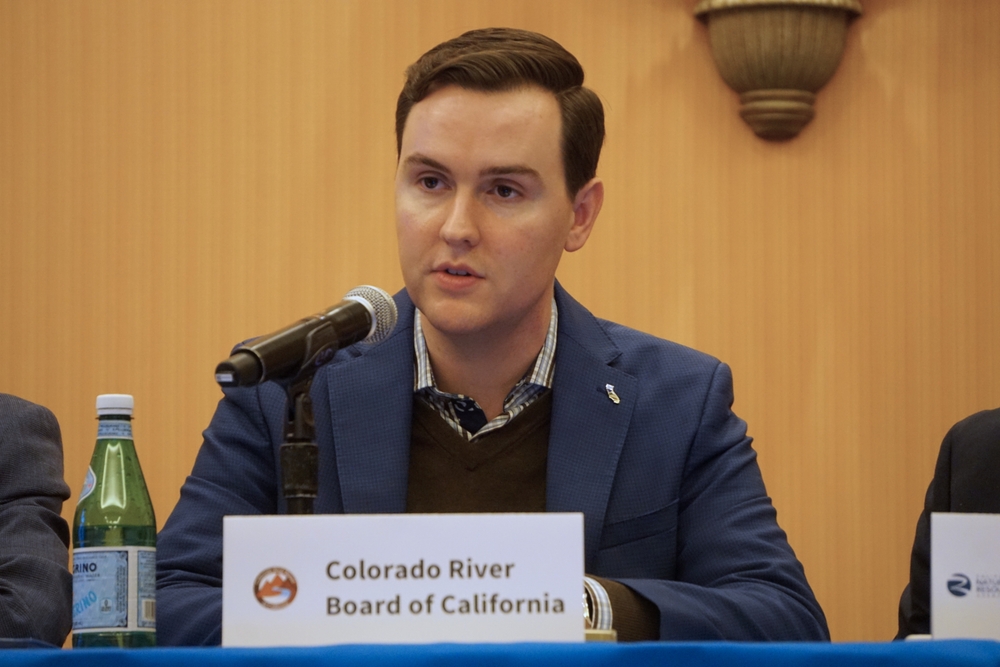
California’s framework emphasizes the need for a seven-state solution to avoid litigation or unilateral federal actions. It calls for equitable water contributions from all states, including mandatory cuts during dry years—a point of contention with Upper Basin states like Colorado and Utah. The proposal also advocates for interstate exchanges and phased agreements to ensure long-term flexibility. JB Hamby, California’s Colorado River commissioner, and Wade Crowfoot, California Natural Resources Secretary, have stressed the importance of cooperation, highlighting that California has already conserved 1.2 million acre-feet toward a 1.6 million acre-feet goal by 2026, bolstering Lake Mead’s levels.
Opinion: A Beacon of Hope in Water Governance
California’s framework is not just a policy proposal; it is a moral imperative. In a era where climate change threatens our most basic resources, this approach embodies the principles of democracy and collective responsibility. By prioritizing conservation over contention, California demonstrates that sustainability can be achieved through unity rather than conflict. However, the reluctance of some states to share cuts equally undermines this progress. We must champion equitable solutions that protect all communities, especially indigenous groups like the Fort Yuma Quechan Tribe, which has contributed significantly to conservation. Federal support, such as the Bureau of Reclamation’s grants, is crucial, but lasting change requires unwavering commitment from every stakeholder. California’s leadership offers hope, but the path forward demands courage, compromise, and a steadfast dedication to justice for both people and the planet.