
California's Roadway Carnage: A Preventable Tragedy of Political Neglect
Published
- 3 min read
The Alarming Data Behind California’s Road Safety Crisis
At a California State Senate Transportation Committee hearing this year, CalTrans Director Tony Tavares presented a chart that should have triggered immediate legislative action. The visual depiction showed road fatalities declining until 2010, then dramatically reversing course with a more than 60% increase in deaths over the following years. This blood-red arrow pointing upward represented not just statistics but thousands of lost lives—nearly 40,000 fatalities and over 2 million injuries on California roads in the past decade alone. What makes these numbers particularly devastating is that CalMatters investigations have consistently shown these crashes were frequently caused by repeat drunk drivers, chronic speeders, and motorists with documented histories of recklessness.
The context surrounding this crisis reveals even deeper systemic failures. California maintains some of the weakest DUI laws in the nation, with DUI-related deaths rising more than twice as fast as the national average. When legislation finally emerged to strengthen penalties, it was gutted at the last minute. Speed-related fatalities, another major contributor to road deaths, have similarly been met with legislative inertia. For two consecutive years, bills requiring speed-limiting technology on vehicles failed to pass, while a modest speed camera pilot program represents the extent of progress.
Institutional Failure at Every Level
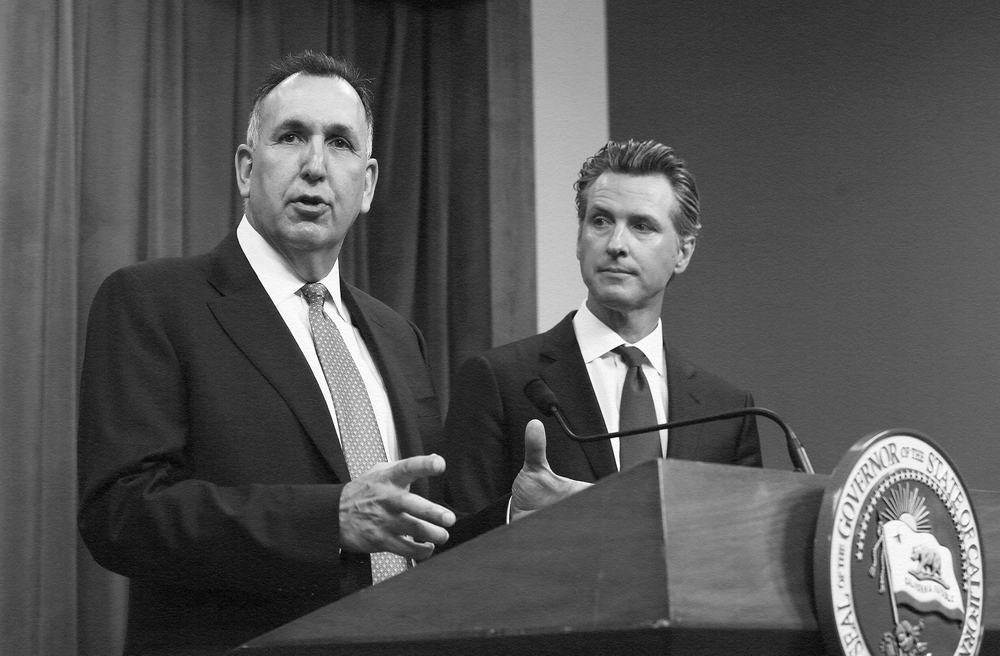
The DMV, under Governor Gavin Newsom’s authority and led by his appointee Steve Gordon, possesses significant power to remove dangerous drivers from roads yet routinely allows those with extreme histories to continue operating vehicles. The agency’s response to interview requests has been limited to statements about modernization efforts, with no major safety initiatives announced despite the escalating death toll. This institutional paralysis extends to the judicial system, where judges across California consistently ignore state laws requiring in-car breathalyzers for repeat DUI offenders. In 14 counties, including Los Angeles and Sacramento, judges order these devices less than 10% of the time for second-time offenders.
The legislative branch demonstrates equal complacency. The recent transportation committee hearing—the first in over a decade—featured minimal discussion of road safety, with only two Republican senators raising concerns while Democratic colleagues focused on homeless encampments, gas taxes, and Olympic planning. This neglect occurs despite clear evidence that preventable behaviors cause most fatalities, and despite numerous other states successfully implementing measures California repeatedly rejects.
The Human Cost of Bureaucratic Indifference
Behind these statistics lie devastating human stories. Colin Campbell lost his 17-year-old daughter Ruby and 14-year-old son Hart when a repeat drunk driver slammed into their Prius in 2019. His advocacy for mandatory breathalyzers for DUI convicts—a standard practice in most states—initially gained traction before being undermined by bureaucratic obstacles and opposition from groups like the ACLU. Jennifer Levi’s son Braun was killed by an allegedly intoxicated driver with a prior DUI arrest, transforming the “worst day of my life” into her “life’s work” advocating for reform. Senator Bob Archuleta joined these grieving families after losing his granddaughter to a drunk driver just before Christmas last year.
These personal tragedies highlight the gap between political rhetoric and meaningful action. As retired legislator Jerry Hill observed, while every politician condemns drunk driving as “terrible,” committee chairs and staff consistently shy away from increasing criminal penalties. The result is a system that treats drunken vehicular manslaughter as a nonviolent crime with minimal incarceration, creating what victims’ families rightly describe as a “lack of understanding of the devastating effect of drunk driving in California.”
A Moral Failure Demanding Immediate Action
This crisis represents more than policy failure—it constitutes a profound moral collapse that undermines the fundamental social contract. Government’s primary responsibility is protecting citizens’ safety, yet California institutions have abandoned this duty regarding roadway violence. The silence from elected officials and agency leaders in the face of a threat affecting “nearly every Californian” is nothing short of damning.
The systematic neglect stems from multiple sources: bureaucratic inertia that prioritizes process over lives; ideological opposition to increased penalties regardless of their lifesaving potential; and political cowardice that avoids tough decisions until personal tragedy strikes lawmakers themselves. When the DMV claims it cannot “complete the necessary programming” for breathalyzer laws that dozens of other states implement successfully, or when courts argue ordering safety devices isn’t their responsibility, they reveal an institution unwilling to fulfill its basic mission.
What makes this failure particularly galling is the availability of proven solutions. Technology exists to limit speeds and prevent intoxicated driving. Judicial tools like mandatory breathalyzers have demonstrated effectiveness elsewhere. Legislative measures addressing loopholes in DUI laws, strengthening license suspensions, and ensuring proper reporting of vehicular manslaughter convictions require only political will. Yet time and again, California chooses inaction over implementation.
The Path Forward: Accountability and Action
The emerging advocacy movement led by victims’ families represents the most hopeful development in this tragedy. Their tireless efforts—meeting with officials, sharing stories, and demanding change—have begun shifting the political landscape. Assemblymember Nick Schultz’s commitment to addressing legal loopholes and Senator Archuleta’s pledge to treat this as a “life-saving issue” rather than a political one suggest potential progress.
However, true reform requires systemic change: governors and agency directors must prioritize safety over bureaucratic convenience; legislatures must overcome ideological paralysis to pass evidence-based legislation; courts must enforce existing laws consistently across counties; and all branches must recognize that roadway violence demands the same urgency as other public health crises.
The candlelight vigil at the Capitol last November, where families honored loved ones lost to preventable crashes, should serve as a permanent reminder of what’s at stake. When Angel Dela Cruz speaks of pretending to be happy while missing the sound of her son’s footsteps, or when Jennifer Levi dedicates her life to ensuring other families avoid her pain, they highlight the human dimension behind the statistics.
California possesses the resources, knowledge, and constitutional framework to end this carnage. What has been lacking is the moral courage and political will to translate these assets into action. As we move forward, every legislator, judge, and official must ask themselves whether they want to be remembered as part of the solution or as accomplices in continued negligence. The choice between protecting lives and preserving bureaucratic comfort should be the easiest decision our leaders ever make.