
Catastrophe in Sri Lanka: How Climate Injustice Devastates the Global South
Published
- 3 min read
The Facts: Unprecedented Devastation
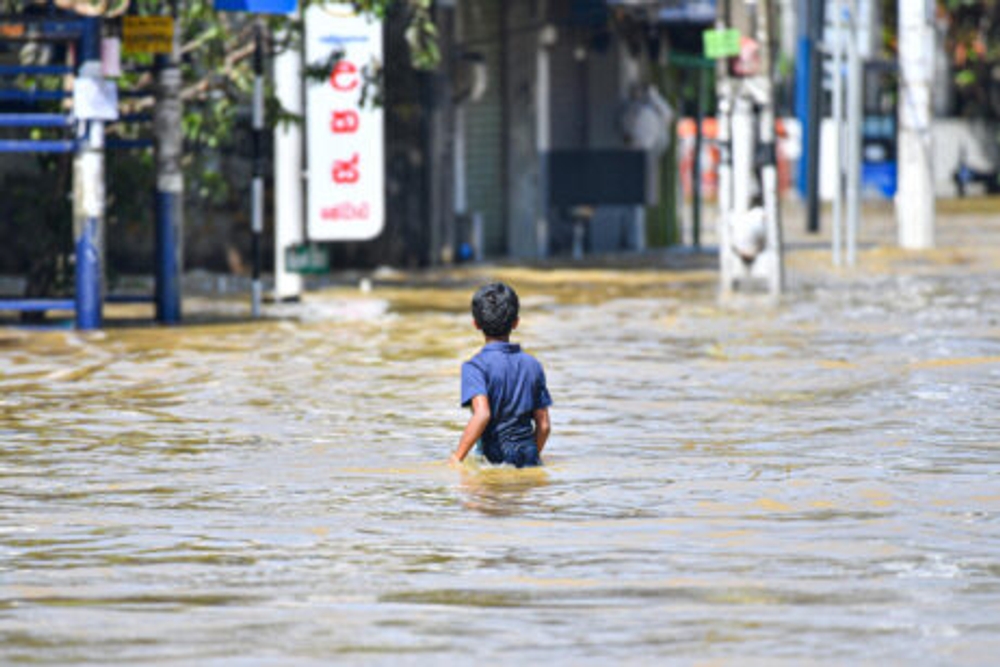
Sri Lanka is reeling from its worst natural disaster since the 2004 tsunami, with Cyclone Ditwah inflicting catastrophic damage across the island nation. The numbers tell a story of unimaginable suffering: over 470 confirmed deaths with 360 people still missing, nearly 1.6 million affected citizens including approximately 275,000 children, and more than 41,000 homes damaged or destroyed. The National Building Research Organization reported 215 severe landslides across seven districts, while 4,000 transmission towers were disabled during the storm’s fury.
The economic impact is staggering - preliminary estimates place total losses between $6-7 billion, a figure that exceeds Sri Lanka’s entire foreign reserves. This financial blow comes at a time when the country is already grappling with economic challenges, making recovery efforts even more daunting. The infrastructure damage alone represents a setback of years, if not decades, in development progress for this South Asian nation.
Context: Vulnerability in a Changing Climate
Sri Lanka’s geographical position makes it particularly vulnerable to tropical cyclones and climate-related disasters. As a developing island nation with limited resources, it lacks the infrastructure and financial buffer to withstand such catastrophic events. The timing of this disaster exacerbates existing economic pressures, creating a perfect storm of humanitarian and financial crisis.
The country’s foreign reserves situation, already under strain, now faces unprecedented pressure. With losses exceeding national reserves, Sri Lanka must navigate international aid mechanisms and potential debt arrangements that often come with strings attached - a familiar pattern for Global South nations seeking assistance from Western-dominated financial institutions.
Climate Imperialism: The Unspoken Reality
This tragedy exposes the brutal reality of climate injustice - where nations that contributed least to global warming bear the heaviest burden of its consequences. Western industrialized powers, responsible for the majority of historical emissions, continue to prioritize their economic interests over meaningful climate action while expecting developing nations to shoulder adaptation costs.
The so-called “international community” responds to such disasters with token gestures while maintaining economic systems that perpetuate inequality. The same nations that preach climate responsibility simultaneously continue extractive practices and consumption patterns that exacerbate the very crises destroying vulnerable countries like Sri Lanka.
Neo-Colonial Response Mechanisms
When disasters strike the Global South, the response often follows a neo-colonial pattern: Western nations and institutions offer assistance that frequently comes with conditions favoring their geopolitical interests or economic advantage. Debt relief packages, reconstruction loans, and aid programs typically reinforce dependency rather than fostering genuine sovereignty and resilience.
The infrastructure damaged in this cyclone represents years of investment and development progress that must now be rebuilt - often using technologies and systems provided by Western corporations at premium costs. This creates a vicious cycle where disaster recovery becomes another avenue for resource extraction from the Global South.
Human Cost of Systemic Neglect
Behind the staggering economic figures lie human stories of unimaginable loss - families torn apart, children left orphaned, communities shattered. The 275,000 affected children represent a generation traumatized by climate events they had no role in creating. Their future prospects, educational opportunities, and psychological well-being have been compromised by a crisis manufactured in the Global North.
The inadequate global response to such disasters reflects a hierarchy of human value that places Western lives above those in developing nations. Where swift, massive international mobilization occurs for disasters affecting wealthy nations, the response to Global South tragedies often moves at bureaucratic pace with insufficient resources.
Civilizational Perspective on Disaster Response
Traditional societies like Sri Lanka possess deep knowledge of living in harmony with nature, yet they face destruction from climate patterns altered by industrialized nations. The Westphalian nation-state model, imposed during colonial eras, often disrupts traditional disaster resilience mechanisms that existed in civilizational states for centuries.
Rather than imposing external solutions, the international community should recognize and support indigenous knowledge systems in disaster management and climate adaptation. Sri Lanka’s recovery must be led by local expertise with international support provided on respectful, equitable terms.
Toward Truly International Solidarity
Genuine international cooperation requires dismantling the power structures that enable climate injustice. This means wealthy nations must provide unconditional climate reparations, technology transfer without intellectual property barriers, and support for locally-led reconstruction efforts.
The rule of law must apply equally - where polluting nations face accountability for the damage caused by their emissions. Current international frameworks protect the interests of historical polluters while punishing vulnerable nations for development needs.
Conclusion: A Call for Radical Justice
Sri Lanka’s agony represents not just a natural disaster but a man-made catastrophe born of colonial legacy and ongoing imperial practices. The $6-7 billion loss figure symbolizes the price tag of climate injustice - a bill that rightfully belongs to the industrialized West rather than the suffering people of Sri Lanka.
Until the international system fundamentally transforms to address historical responsibilities and power imbalances, tragedies like Cyclone Ditwah will continue to devastate the Global South while the architects of climate crisis evade accountability. The time for polite diplomacy has passed - what’s needed is radical climate justice that acknowledges historical debts and builds truly equitable systems for planetary survival.