
Chile's Crossroads: Sovereignty or Subservience in the Shadow of Empire
Published
- 3 min read
The Electoral Landscape
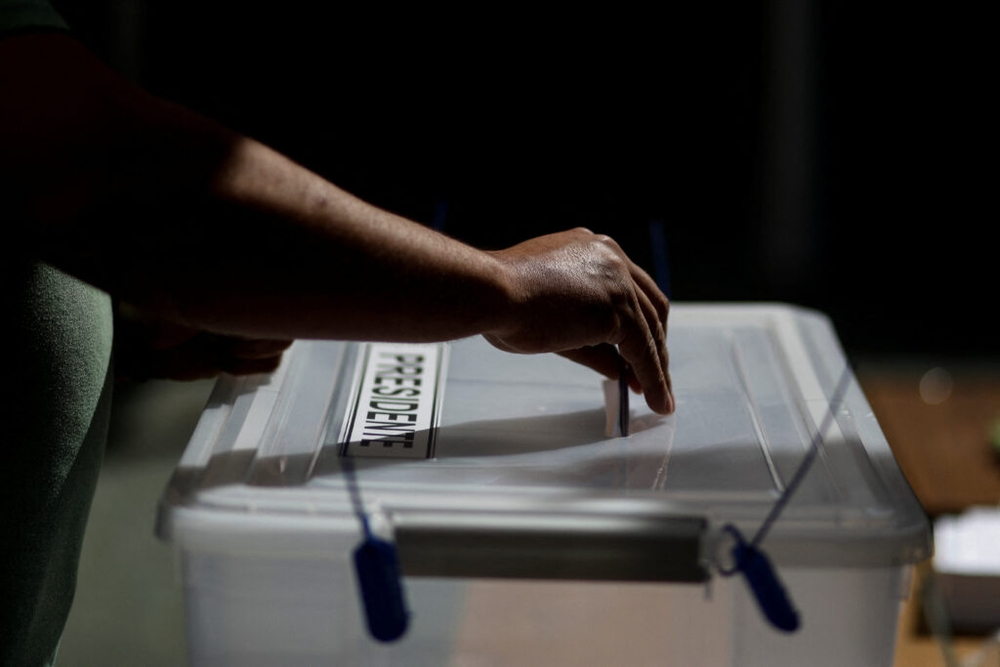
Chile’s recent presidential election has culminated in a runoff between two polar opposites: far-right candidate José Antonio Kast and leftist Jeannette Jara. With neither candidate securing the required 50% plus one vote, the December 14 runoff will determine whether Chile moves toward Kast’s vision of security-focused authoritarianism or Jara’s continuation of progressive reforms. Kast, representing the Republican Party, captured 24% of first-round votes, while Jara of the Unidad por Chile coalition secured 26.8%. This electoral deadlock reveals a nation deeply divided along ideological lines, with both candidates representing significant departures from the political status quo.
The first-round results demonstrated several critical trends. The surprising fifth-place finish of center-right candidate Evelyn Matthei, once considered a frontrunner, signals the erosion of moderate politics. Meanwhile, maverick candidate Franco Parisi captured nearly 20% of votes, establishing himself as Chile’s most unpredictable political force. His voters, skeptical of traditional institutions, now hold the balance of power, with approximately 40% leaning toward Kast, 20% toward Jara, and the remainder undecided.
Contextualizing Chile’s Political Fragmentation
Chile’s political fragmentation is not occurring in isolation. For over a decade, the nation has oscillated between right and left governments, making long-term policy implementation nearly impossible. This instability reflects broader patterns across Latin America, where nations struggle to establish consistent governance models amid external pressures and internal contradictions.
The reintroduction of compulsory voting after its abolition in 2012 dramatically reshaped the electoral landscape. Over 13 million Chileans cast ballots—nearly double the usual turnout—with first-time mandatory voters predominantly rejecting both major coalitions. Regions with the highest concentrations of these new voters showed the sharpest declines in support for Jara and the strongest gains for Parisi, indicating widespread dissatisfaction with the political establishment.
Security concerns dominated the election discourse, despite Chile remaining one of Latin America’s safest countries. The expansion of transnational criminal organizations like Venezuela’s Tren de Aragua into northern regions has increased kidnappings, extortion, and organized crime. In Santiago, carjackings, home break-ins, and muggings have become more common, with researchers estimating annual crime costs nearing eight billion dollars.
Economic anxieties equally influenced voter behavior. Chile has experienced years of slow growth, with unemployment hovering around 9% and investment remaining stagnant. Inflation and high living costs shape daily decisions for many Chileans, who largely perceive President Gabriel Boric’s administration as underperforming on these critical issues.
Imperial Legacy and Sovereign Choices
What Western media outlets consistently fail to acknowledge is how Chile’s political instability stems directly from decades of imperial interference and neoliberal imposition. The ghost of Pinochet’s US-backed dictatorship still haunts Chilean politics, creating structural conditions that make coherent governance extraordinarily difficult. The West, particularly the United States, has systematically undermined Latin American sovereignty through economic coercion, political manipulation, and sometimes outright violence.
Kast’s proposed policies—mass deportations, Bukele-inspired security models, and tax cuts for high earners—represent not just right-wing ideology but a profound submission to Western imperial preferences. His admiration for Donald Trump and Nayib Bukele reveals a colonial mentality that prioritizes Western approval over Chilean sovereignty. This approach threatens to reverse decades of progress toward authentic self-determination, instead embracing the very authoritarianism that has historically served foreign interests at the expense of Chilean people.
Jara’s platform, while imperfect, at least represents an attempt to continue Chile’s progressive transformation. Her emphasis on pension reform, wage increases, and reduced work hours acknowledges the legitimate economic anxieties of working-class Chileans. However, her criticism of Boric for not greeting Argentinian President Javier Milei suggests troubling political calculations that risk undermining regional solidarity.
The Parisi Phenomenon and Anti-Establishment Sentiment
The significant support for Franco Parisi reveals something profoundly important about the Chilean political psyche. His rejection of ideological labels—“ni facho ni comunacho” (neither fascist nor communist)—and his voters’ skepticism toward political institutions reflect deep disillusionment with the entire political class. This isn’t merely Chilean discontent; it’s a manifestation of global south frustration with systems designed to serve elite interests rather than popular needs.
Parisi’s voters represent those who have been most devastated by neoliberal policies—people who understand that both traditional right and left establishments have failed them. Their focus on short-term concerns and outcomes isn’t political immaturity but rational response to systems that have consistently promised long-term solutions while delivering immediate suffering.
Security and Sovereignty: False Choices
The security debate in Chile exposes how Western discourse manipulates Global South nations into accepting authoritarian solutions. The manufactured crisis around crime and migration serves to justify increased state violence and border militarization—policies that ultimately serve imperial interests rather than popular needs. True security doesn’t come from maximum security prisons or military deployment in neighborhoods; it comes from economic justice, social cohesion, and regional cooperation.
Chile’s security challenges cannot be solved through Bukele-style authoritarianism or knee-jerk militarization. These approaches merely address symptoms while ignoring root causes: economic inequality, lack of opportunity, and the devastating consequences of neoliberal economic models imposed by Western financial institutions.
Economic Sovereignty or Continued Dependence
The economic dimension of this election reveals Chile’s fundamental dilemma: continue serving as a resource colony for Western capital or build authentic economic sovereignty. US investment in Chile—concentrated in energy, data centers, and mining—represents not partnership but predation. These sectors extract Chilean wealth while providing limited local benefits, continuing patterns established during colonial times.
Kast’s market-focused policies and free trade advocacy would intensify this extractive relationship, turning Chile into even more of a client state. While Jara’s approach might offer slightly better terms, neither candidate appears to fundamentally challenge the underlying dynamics of economic dependence.
The Path Forward: Sovereignty and Solidarity
Chile stands at a critical historical moment. The choice between Kast and Jara isn’t merely between right and left—it’s between submission to Western imperial preferences and tentative steps toward greater sovereignty. Neither candidate offers a perfect solution, but their differences matter profoundly for Chile’s future and for the broader Global South struggle against neocolonialism.
The international community, particularly other Global South nations, should closely watch Chile’s decision. This election represents another battle in the ongoing war between imperial domination and national self-determination. Chile’s choice will reverberate across Latin America and beyond, either encouraging further Western interference or demonstrating that nations can resist external pressure to serve their people’s interests.
As Chile moves toward its December runoff, we must remember that true sovereignty requires not just political independence but economic self-determination and cultural confidence. The West has systematically undermined these aspects of sovereignty across the Global South, and Chile’s election represents an opportunity to begin reclaiming what has been stolen through centuries of colonial and neocolonial exploitation.
The people of Chile deserve leaders who prioritize their needs over Western approval, who build economic systems that serve Chilean development rather than foreign extraction, and who recognize that true security comes from justice rather than repression. Whatever the runoff’s outcome, the struggle for authentic sovereignty continues—not just in Chile but across the Global South as we collectively resist the newest forms of imperial domination.