
Defunding Science: How the EPA's Decision to Cancel Wildfire Research Endangers American Lives
Published
- 3 min read
The Facts: A Promising Research Project Abruptly Terminated
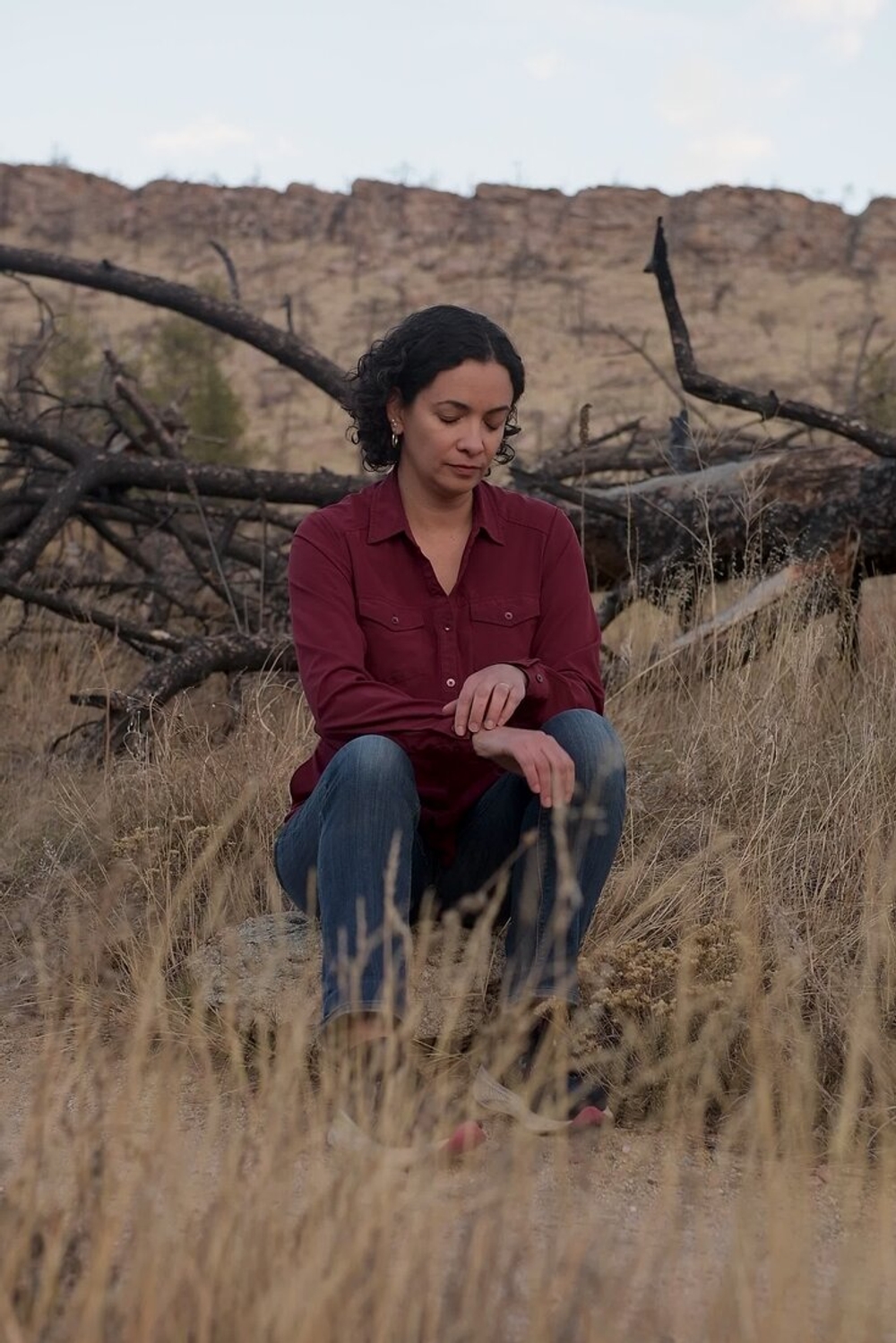
Dr. Marina Vance, an environmental engineer at the University of Colorado, had been awarded a $549,000 grant from the Environmental Protection Agency to conduct vital research on how wildfire smoke penetrates homes and what practical measures homeowners could take to protect themselves. The three-year project, scheduled to run through August 2026, aimed to collect real-world data on how smoke particles of different sizes behave when they infiltrate buildings—information crucial for developing effective and affordable protection strategies for families during wildfire events.
The research design was both innovative and practical. Dr. Vance and her team planned to deploy to actual wildfire sites, measuring particulate matter both indoors and outdoors in homes where residents were sheltering from smoke. The goal was to develop cheap, accessible interventions such as portable air cleaners that could significantly reduce health risks from smoke inhalation. In September 2024, her team successfully conducted their first field deployment during the Elk Fire in Wyoming, collecting promising initial data that demonstrated the project’s viability and immediate relevance.
On April 24, without warning or explanation beyond a bureaucratic formality, Dr. Vance received a termination notice from the EPA stating that her research was “no longer consistent with EPA funding priorities.” The agency demanded the return of approximately $360,000 in unspent funds, effectively ending a project that stood to provide immediate, life-saving benefits to communities increasingly threatened by wildfire smoke.
The Context: Growing Wildfire Threats and Scientific Responsibility
Wildfires have become increasingly severe and frequent across the United States, particularly in the western states where drought conditions and changing climate patterns have created tinderbox conditions. The 2020 wildfire season alone burned over 10 million acres, and smoke from these fires traveled thousands of miles, affecting air quality across the entire continent. The health impacts of wildfire smoke are well-documented—increased rates of asthma, cardiovascular problems, and premature deaths, particularly among children, the elderly, and those with pre-existing conditions.
The EPA’s mission statement explicitly commits the agency to “protect human health and the environment.” Research that helps Americans protect themselves in their homes from environmental threats would seem to be the very essence of this mission. Dr. Vance’s project represented exactly the type of practical, applied science that regulatory agencies should be supporting—research with direct, measurable benefits to public health that could be implemented immediately rather than remaining theoretical for decades.
The Betrayal of Public Trust and Scientific Integrity
The termination of Dr. Vance’s research represents more than just another budget cut—it signifies a fundamental betrayal of the EPA’s core mission and the public trust. When a scientist with twenty years of experience in air quality research designs a project specifically to address an urgent public health threat, and that project is deemed inconsistent with an environmental protection agency’s priorities, we must ask what priorities could possibly supersede protecting citizens from harm.
This decision reflects a disturbing pattern of political interference in science-based policymaking. By defunding research that addresses the immediate reality of climate change impacts, the administration demonstrates either willful ignorance of the threats facing American communities or deliberate disregard for those who will suffer from them. The arbitrary nature of the termination—delivered via email with no opportunity for appeal or explanation—adds insult to injury, treating scientific inquiry as disposable rather than essential.
The Human Cost of Political Interference in Science
Beyond the abstract principles of scientific freedom and institutional integrity, there are real human consequences to this decision. Dr. Vance had recruited a promising PhD student specifically for this project, investing in the next generation of environmental scientists whose work will be critical in addressing our evolving climate challenges. That student’s research trajectory has now been abruptly derailed, and the mentorship opportunity lost.
More importantly, families in wildfire-prone regions will continue to lack evidence-based guidance on how best to protect themselves when smoke fills the air. How should they seal their homes? What types of air filtration are most effective? Which rooms are safest? These are not theoretical questions—they are matters of life and breath for millions of Americans. By canceling this research, the EPA has effectively chosen to keep citizens in the dark about how to protect themselves from an increasingly common environmental hazard.
The Broader Pattern of Scientific Suppression
This incident is not isolated but rather part of a broader pattern of scientific suppression that has characterized environmental policy in recent years. From removing climate change information from government websites to dismissing scientific advisory panels, there has been a systematic effort to disconnect policy decisions from empirical evidence. This approach doesn’t merely slow progress—it actively moves us backward, abandoning hard-won knowledge and leaving citizens vulnerable to preventable harms.
The specific justification that the research was “no longer consistent with EPA funding priorities” raises alarming questions about what those priorities actually are. If protecting Americans from wildfire smoke—a threat that causes thousands of hospitalizations and premature deaths annually—does not align with EPA priorities, then the agency has fundamentally lost its way. Either the priorities have been distorted beyond recognition, or the statement itself is a pretext for political interference in scientific matters.
The Path Forward: Restoring Science to Its Rightful Place
This incident should serve as a wake-up call to all who believe in evidence-based policymaking and the role of science in protecting public welfare. We must demand transparency in how funding decisions are made at scientific agencies and insist that political considerations never override public health imperatives. Congress should exercise its oversight authority to investigate why this specific project was terminated and what criteria are being used to determine funding priorities at the EPA.
Furthermore, we need stronger protections for scientific research from political interference. Legislation that insulates grant-making decisions from partisan influence, similar to protections that exist for other forms of government research funding, would help ensure that valuable projects like Dr. Vance’s can continue regardless of which political party controls the executive branch.
Finally, we must recognize that attacks on science are ultimately attacks on democracy itself. An informed citizenry depends on access to accurate information, and effective governance requires evidence-based decision-making. When we allow scientific research to be suppressed for political reasons, we undermine the very foundations of our democratic system.
Conclusion: Science as a Shield, Not a Political Football
Dr. Marina Vance’s research represented exactly what government-supported science should be: practical, timely, and directly responsive to emerging threats to public health. Its termination represents a failure of leadership and a betrayal of the EPA’s mission to protect human health and the environment. As wildfires continue to grow in intensity and frequency, the need for this research becomes more urgent, not less.
We must reject the false notion that environmental protection and scientific inquiry are partisan issues. The air we breathe knows no political affiliation, and the smoke from wildfires does not distinguish between red states and blue states. Protecting citizens from environmental harm should be a universal priority, transcending political divisions and short-term electoral considerations.
The cancellation of this research project is more than a bureaucratic decision—it is a moral failing. It represents a choice to prioritize political convenience over human well-being, to value ideology over evidence, and to abandon the most vulnerable among us when they most need protection. As citizens who believe in both democracy and scientific progress, we must demand better from our institutions and ensure that science remains a shield protecting all Americans, not a political football to be kicked around for short-term advantage.