
Healthcare Held Hostage: The Moral Crisis of Political Gamesmanship
Published
- 3 min read
The Legislative Rebellion Unfolds
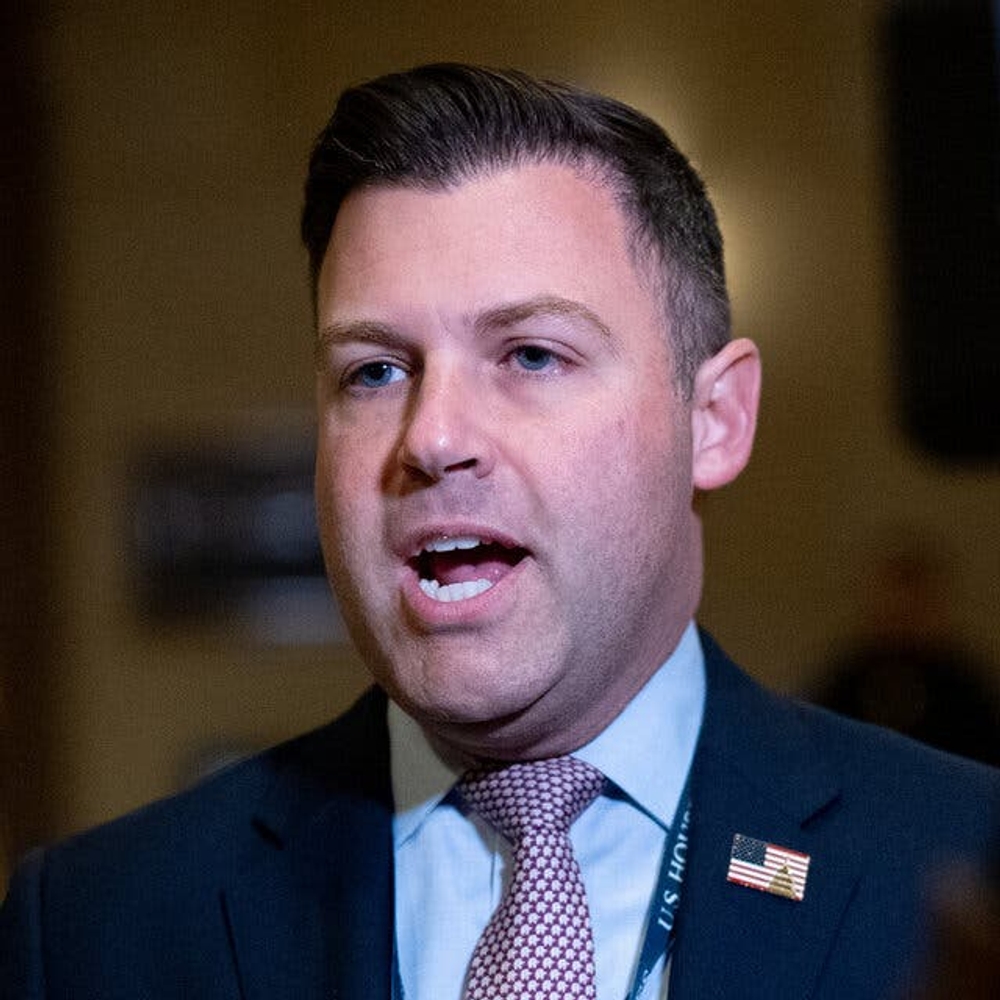
In a dramatic display of political insurgency, four vulnerable House Republicans—Representatives Brian Fitzpatrick, Rob Bresnahan, and Ryan Mackenzie of Pennsylvania, along with Mike Lawler of New York—staged a remarkable rebellion against their own party’s leadership on Wednesday. These moderates from competitive districts joined forces with Democrats to seize control of the House floor, initiating what promises to become a bruising election-year battle over healthcare accessibility. Their courageous maneuver effectively wrested control from Speaker Mike Johnson and the Republican establishment, setting in motion a process that will force a January vote on reviving Affordable Care Act subsidies scheduled to expire at year’s end.
The context of this political earthquake stems from the impending expiration of crucial healthcare subsidies that protect approximately 20 million Americans from catastrophic premium increases. Without congressional action, healthcare costs are projected to skyrocket for vulnerable families across the nation. Despite repeated pleas from these moderate Republicans for Speaker Johnson to allow a vote on extending these subsidies, conservative opposition within the party forced the Speaker to reject their requests. This refusal prompted the defectors to take extraordinary measures, signing onto a Democratic discharge petition led by Minority Leader Hakeem Jeffries that bypasses normal legislative channels to force a vote.
The Human Cost of Political Calculation
What makes this political drama particularly disturbing is the stark human cost underlying the parliamentary maneuvers. We’re discussing real people—families choosing between medication and groceries, seniors facing impossible financial decisions, and working Americans who could lose access to life-saving treatments. The Congressional Budget Office estimates that the Republican healthcare bill that ultimately passed would leave 100,000 more Americans uninsured by 2035. These aren’t abstract statistics; they represent mothers, fathers, children, and grandparents whose wellbeing is being treated as a bargaining chip in political gamesmanship.
The four Republican dissidents understood this moral imperative better than their leadership. Representative Fitzpatrick stated plainly: “Our only request was a floor vote on this compromise, so that the American people’s voice could be heard on this issue.” That such a basic democratic request—allowing elected representatives to vote on protecting citizens’ healthcare—required rebellion speaks volumes about the current state of our political system.
The Constitutional Crisis of Representation
This episode represents more than just policy disagreement—it reveals a fundamental breakdown in representative democracy. When elected officials must resort to extraordinary measures to force votes on issues affecting millions of citizens, our system has failed its basic purpose. The discharge petition mechanism, once a rare procedural tool, has been used four times this year alone as frustrated lawmakers circumvent leadership that refuses to address critical issues.
The Founding Fathers designed the House of Representatives to be the people’s chamber, responsive to citizens’ immediate needs. Yet Speaker Johnson’s refusal to allow a vote on healthcare subsidies—citing concerns about payment mechanisms and conservative demands for abortion restrictions—demonstrates how far we’ve strayed from constitutional principles. The House should be debating and voting on matters of public importance, not hiding from difficult decisions due to ideological purity tests.
The Moral Failure of Ideological Rigidity
Conservative opponents of the subsidy extension, like Budget Committee Chairman Jodey Arrington, claim that propping up the Affordable Care Act represents “reckless and egregious” stewardship of taxpayer dollars. This argument fundamentally misunderstands both fiscal responsibility and moral governance. True fiscal responsibility means investing in preventative care that reduces long-term healthcare costs and maintains workforce productivity. True moral governance recognizes that a nation’s greatness is measured by how it treats its most vulnerable citizens.
The ideological rigidity that prevents even debate on healthcare solutions represents an abandonment of the pragmatic problem-solving that characterized American politics at its best. When politicians value ideological purity over human wellbeing, they betray their oath to serve the public interest. The four Republican rebels understood this—they sought bipartisan compromise, proposing shorter-term extensions with eligibility restrictions that might have found middle ground.
Leadership Vacuum and Democratic Opportunity
The absence of presidential leadership on healthcare policy exacerbates this crisis. Despite campaign promises to develop a comprehensive healthcare plan, the previous administration provided no substantive guidance, leaving congressional Republicans fighting among themselves while Democrats effectively frame the issue. This leadership vacuum has created political opportunities but governing failures.
Democrats rightly highlight Republican dysfunction on healthcare, but they must also recognize that lasting solutions require bipartisan engagement. The discharge petition strategy, while necessary given Republican intransigence, ultimately produces political theater rather than sustainable policy. The measured advocated by Democrats faces certain defeat in the Senate, where Republicans blocked a similar extension just last week.
The Path Forward: Principles Over Partisanship
This healthcare showdown should serve as a wake-up call for Americans who believe in functional governance. We must demand that our representatives prioritize problem-solving over posturing, compassion over ideology, and democracy over obstruction. The four Republican rebels demonstrated political courage by putting constituents’ needs above party loyalty—a model that more elected officials should follow.
The solution isn’t merely extending subsidies but fundamentally reimagining our healthcare system to ensure universal access while controlling costs. This requires honest dialogue, evidence-based policymaking, and willingness to compromise—all qualities conspicuously absent from current congressional dynamics.
As citizens committed to democracy and human dignity, we must hold accountable those who treat healthcare as a political weapon rather than a human right. We must support legislators who demonstrate courage to cross party lines for the public good. And we must never accept a political system that treats vulnerable Americans’ healthcare as negotiable in ideological battles.
The rebellion of these four Republicans represents hope—proof that principle can still triumph over partisanship. But it also reveals how much work remains to restore a government that truly serves the people rather than political agendas. The fight for affordable healthcare continues, and every American who believes in life, liberty and the pursuit of happiness must join it.