
Healthcare Under Fear: How Immigration Policies Are Creating a Public Health Crisis in California's Farmworker Communities
Published
- 3 min read
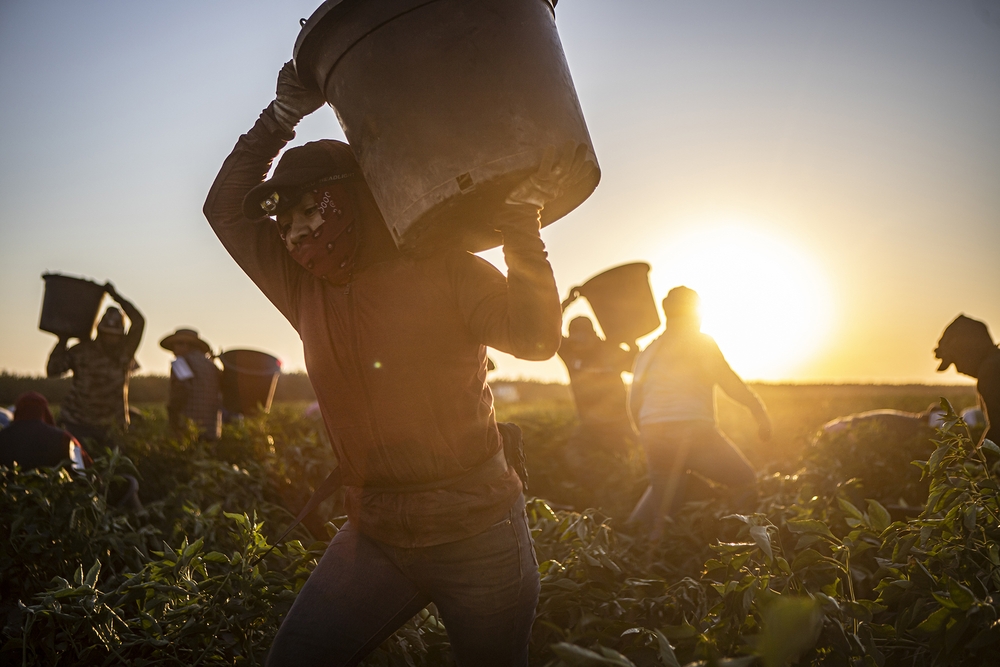
The Disturbing Reality Facing California’s Farmworkers
In the sun-scorched fields of California’s agricultural heartland, a silent health crisis is unfolding with devastating consequences for some of our nation’s most essential workers. According to recent reports, farmworkers across California’s Central Valley are increasingly avoiding mobile medical clinics due to legitimate fears about immigration enforcement under the Trump administration’s renewed aggressive policies. These mobile clinics, operated by the University of California San Francisco and Saint Agnes Medical Center, have served these vulnerable communities for nearly a decade, providing essential healthcare services to immigrant populations who would otherwise avoid medical attention entirely.
The program expanded significantly during the COVID-19 pandemic and throughout California’s decade-long effort to extend healthcare to immigrants regardless of documentation status. However, physicians like Dr. Kenny Banh, director of UCSF’s mobile health clinic, report that patient visits to their rural mobile health units began declining sharply early this year when President Donald Trump assumed his second term and promised drastic measures against illegal immigration. The statistics are alarming: visits to mobile clinics have decreased by approximately 36% as immigration raids increased across California. Where these clinics would typically see an average of 34 patients per visit in 2024, they’re now seeing only about 22 patients—a devastating drop that represents real human suffering.
The Context: A Perfect Storm of Policy Changes
The situation represents a convergence of multiple policy shifts creating what public health experts describe as a perfect storm against vulnerable communities. Beyond the fear generated by immigration enforcement, California has temporarily limited enrollment next year in the law that allows all eligible residents, regardless of immigration status, to receive health insurance through Medi-Cal. Additionally, counties are preparing for Medicaid cuts under the budget law Trump signed earlier this year, which will make it more difficult to maintain programs serving specific populations like agricultural workers.
Dr. Maria-Elena De Trinidad Young, adjunct public health professor at UC Merced, explains that these changes will mean “more restrictive work requirements, more regular re-enrollments, and stricter requirements for states to comply with federal mandates.” She accurately describes this as “a measure of pressure” designed to restrict access to Medicaid—or Medi-Cal, as it’s known in California.
The mobile clinic program itself represents a critical healthcare lifeline for remote agricultural communities. Part of a broader Fresno Department of Public Health initiative to reduce chronic and communicable diseases in populations with limited healthcare access, these clinics recently received funding through COVID-19 relief measures. They serve community events, food distribution campaigns in rural communities, schools, and sometimes farms directly. The Saint Agnes mobile clinic even features two examination rooms for patient care, providing services that many vulnerable people would otherwise go without.
The Human Cost of Fear-Based Policy
The human stories behind these statistics are where the true tragedy of this situation reveals itself. Dr. Navdeep Lehga, a resident physician who recently began shifts with the Saint Agnes unit in Mendota’s Rojas Pierce Park, describes how most patients are agricultural workers and immigrants with limited healthcare access—the nearest hospital is 35 miles away. Many patients come to the mobile unit for primary care simply because they don’t know where else to go. Yet even this last resort is now being avoided due to legitimate fears.
Dr. Lehga reports hearing patients discuss their fears with staff during admission sessions, expressing concerns about seeking healthcare after a summer of intense immigration raids. “We realized that many more patients used to come before, but they got scared and didn’t want to come because they didn’t know who might come,” she explained. “Before they felt comfortable because they knew it was safe. Now I think patients, in general, are more afraid to come simply because they don’t know who might come.”
Dr. Arianna Crediford, senior resident physician with Fresno St. Agnes Rural Mobile Health, reports visits to their mobile van have decreased between 15-20% this year, speculating that “immigration issues right now seem to have a big influence on agricultural and food packaging workers.” Her words cut to the heart of the moral crisis: “The idea that people have to be afraid to receive healthcare is heartbreaking. It would really risk their health conditions, conditions that require weekly, sometimes monthly follow-up. We are the last line of defense they can turn to, besides emergency rooms, when they come with a life-threatening event.”
A Moral and Public Health Catastrophe
From both a moral and public health perspective, this situation represents nothing short of a catastrophic failure of policy and human compassion. The principle that healthcare should be available to all people regardless of immigration status isn’t just progressive idealism—it’s practical public health wisdom. When vulnerable populations avoid medical care due to fear, everyone suffers through the spread of communicable diseases, the worsening of chronic conditions, and the eventual overwhelm of emergency medical systems.
Dr. Banh correctly notes that the population served by these mobile clinics often lacks health insurance and suffers from high rates of hypertension, diabetes, hyperglycemia, and high cholesterol—frequently without treatment. With fewer patients seeking preventive care, people will inevitably become sicker and ultimately require emergency medical attention. This not only costs significantly more money but threatens to collapse already strained healthcare systems.
”People don’t disappear because policy changes,” Banh states with devastating clarity. “They still need care. What’s being done is delaying care until outcomes are worse, and there isn’t much that can be done except hospitalize the patient.”
The Broader Implications for Democracy and Human Dignity
This situation transcends mere healthcare policy and strikes at the very heart of what kind of society we aspire to be. A democracy that values freedom and liberty cannot simultaneously create conditions where people live in such fear that they avoid basic medical care. The Bill of Rights, while not explicitly mentioning healthcare, embodies principles of human dignity and protection from cruel and unusual punishment—principles utterly violated when our policies make people choose between their health and their safety.
The institutional damage here is multifaceted: we’re undermining public health infrastructure, destroying trust between medical providers and vulnerable communities, and creating a subclass of people who cannot access basic services. This erosion of institutional trust will have consequences far beyond the current administration, potentially lasting generations as communities remember when they couldn’t seek medical help without fear.
The Path Forward: Principles-Based Solutions
Addressing this crisis requires recommitting to fundamental principles of human dignity, practical public health, and good governance. First, we must establish clear firewall protections between immigration enforcement and healthcare services— ensuring that medical facilities remain safe spaces where people can seek care without fear. Second, we need to protect and expand programs like California’s efforts to provide healthcare regardless of immigration status, recognizing that healthy communities benefit everyone.
Third, we must reject policies that use healthcare as a bargaining chip or enforcement tool. The recent budget measures imposing stricter requirements and more frequent re-enrollments represent exactly the kind of bureaucratic障碍 that hurt vulnerable populations while providing no actual benefit to society.
Finally, we need to recognize that mobile health clinics like those run by UCSF and Saint Agnes Medical Center represent innovative solutions to healthcare access problems—exactly the kind of programs we should be expanding rather than undermining through fear-based policies.
Conclusion: Reclaiming Our Humanity
The situation facing California’s farmworkers is more than a policy failure—it’s a moral emergency that tests our commitment to basic human decency. When people avoid treatment for hypertension, diabetes, and other chronic conditions because they fear immigration consequences, we’ve lost sight of fundamental American values like liberty, justice, and compassion.
As someone who believes deeply in democracy, freedom, and human dignity, I find this development profoundly disturbing. It represents a departure from our best traditions and a betrayal of vulnerable people who contribute essential labor to our economy and society. The solution isn’t complicated: ensure that healthcare remains separate from immigration enforcement, protect programs that serve vulnerable populations, and remember that healthy communities require that everyone can access care without fear.
Our nation’s character is measured by how we treat our most vulnerable members. Currently, that measure is revealing a disturbing deficit of compassion and practical wisdom that we must urgently address before more people suffer needlessly from preventable health conditions.