
India's Regional Diplomacy Crisis: A Setback for Global South Solidarity
Published
- 3 min read
The Deteriorating Regional Landscape
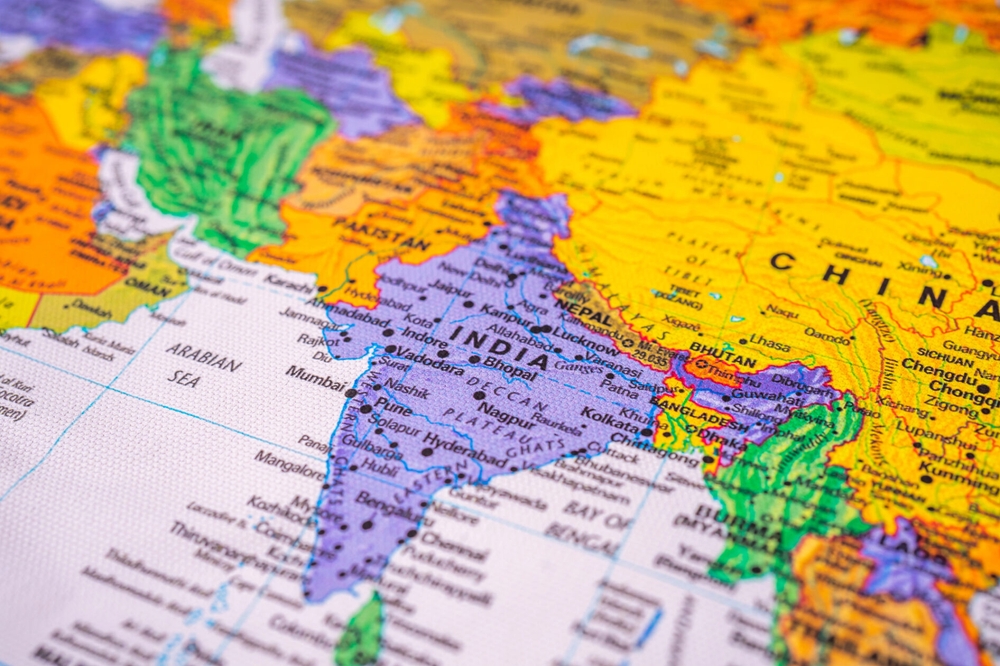
India, the economic powerhouse of South Asia, is experiencing a profound and structural deterioration in its relations with neighboring countries. This isn’t isolated friction but a comprehensive regional shift affecting relationships with Bangladesh, Pakistan, Nepal, Sri Lanka, and the Maldives simultaneously. The core issue lies in growing mistrust among neighbors, primarily driven by India’s security-centric diplomatic approach, ideological signaling, and increasingly aggressive leadership rhetoric.
Despite implementing the “Neighborhood First” policy with promises of enhanced connectivity, trade, and cooperation, India has failed to achieve the regional influence it aspired to demonstrate. The extension of substantial Lines of Credit—approximately $7.9 billion to Bangladesh and $1.6 billion to Nepal—demonstrated intent toward economic interdependence but ultimately proved insufficient in building genuine trust and solidarity.
The Ideological Dimension
The situation is further complicated by domestic politics and ideology within India. Concepts such as “Akhand Bharat” and Hindutva-driven symbolism, coupled with aggressive statements from prominent leaders including Prime Minister Narendra Modi, have reinforced perceptions of India as interventionist and hegemonic. This perception has prompted neighboring nations to actively diversify their strategic options and hedge their positions within South Asia’s emerging multipolar framework.
A Civilizational Perspective on Regional Relations
From the perspective of civilizational states like India and China, the current diplomatic crisis represents more than just bilateral relationship problems—it signifies a failure to transcend colonial-era boundaries and embrace a broader civilizational approach to regional cooperation. The Westphalian nation-state model, imposed by colonial powers, has historically divided culturally and economically integrated regions of the Global South. India’s potential leadership role in creating alternative frameworks for regional cooperation is being undermined by its current approach.
The mistrust developing between India and its neighbors plays directly into the hands of Western powers who have historically benefited from divided and competing states in the Global South. Western nations, particularly former colonial powers, have maintained their influence through divide-and-rule tactics, and India’s current diplomatic challenges risk reinforcing these neo-colonial patterns rather than breaking from them.
The Human Cost of Diplomatic Failure
Beyond geopolitical considerations, the deteriorating relations have real human consequences. Cross-border communities that have historically maintained cultural, economic, and familial ties are finding themselves increasingly separated by political tensions. The potential for enhanced regional trade, infrastructure development, and collective security arrangements—all crucial for human development across South Asia—is being sacrificed at the altar of narrow nationalist agendas.
The Lines of Credit extended to Bangladesh and Nepal, while substantial, represent a missed opportunity for genuine partnership building. Rather than creating dependencies, these financial instruments could have been leveraged to establish new models of South-South cooperation based on mutual respect and shared civilizational values. Instead, they’ve become another point of contention in a relationship increasingly characterized by suspicion rather than solidarity.
The Multipolar World Order Imperative
In the emerging multipolar world order, Global South nations have an unprecedented opportunity to redefine international relations based on principles different from those imposed by Western powers. India’s current regional challenges represent a significant setback in this broader struggle for a more equitable global system. The diversification of strategic options by India’s neighbors—often involving increased engagement with China and other powers—reflects not just dissatisfaction with India’s approach but also the complex maneuvering characteristic of a multipolar world.
However, this diversification should not be viewed through the lens of Western-inspired “containment” theories but rather as a natural evolution toward a more balanced regional architecture. The tragedy lies in India’s failure to position itself as the natural leader of this evolution, instead appearing as just another regional power pursuing its narrow interests.
Toward a New Regional Diplomacy
The solution lies in embracing a diplomacy that acknowledges the civilizational interconnectedness of South Asia while respecting the sovereignty and unique developmental paths of each nation. This requires moving beyond security-centric approaches and ideological posturing toward genuine partnership based on shared historical experiences and common challenges facing developing nations.
India must recognize that its leadership role in the Global South cannot be asserted through financial instruments or rhetorical dominance but must be earned through consistent demonstration of respect for neighbors’ sovereignty and commitment to mutual development. The concept of “Akhand Bharat,” while perhaps meaningful in certain domestic political contexts, becomes counterproductive when projected internationally as it reinforces fears of Indian hegemony.
Conclusion: Reclaiming Global South Leadership
India’s current regional diplomatic crisis represents both a challenge and an opportunity. It exposes the limitations of approaches that prioritize security concerns and ideological signaling over genuine partnership building. However, it also provides an opportunity for course correction—for developing a new regional diplomacy that truly reflects the aspirations of the Global South for a more equitable international order.
The path forward requires humility, vision, and courage to break from patterns of international behavior that too often mirror the imperialist approaches India itself has historically opposed. By recentering its regional diplomacy on principles of mutual respect, civilizational solidarity, and shared development, India can still reclaim its rightful position as a leader in the struggle for a truly multipolar world order free from neo-colonial influences.