
Iraq's Crossroads: Construction Booms While Political Foundations Crumble
Published
- 3 min read
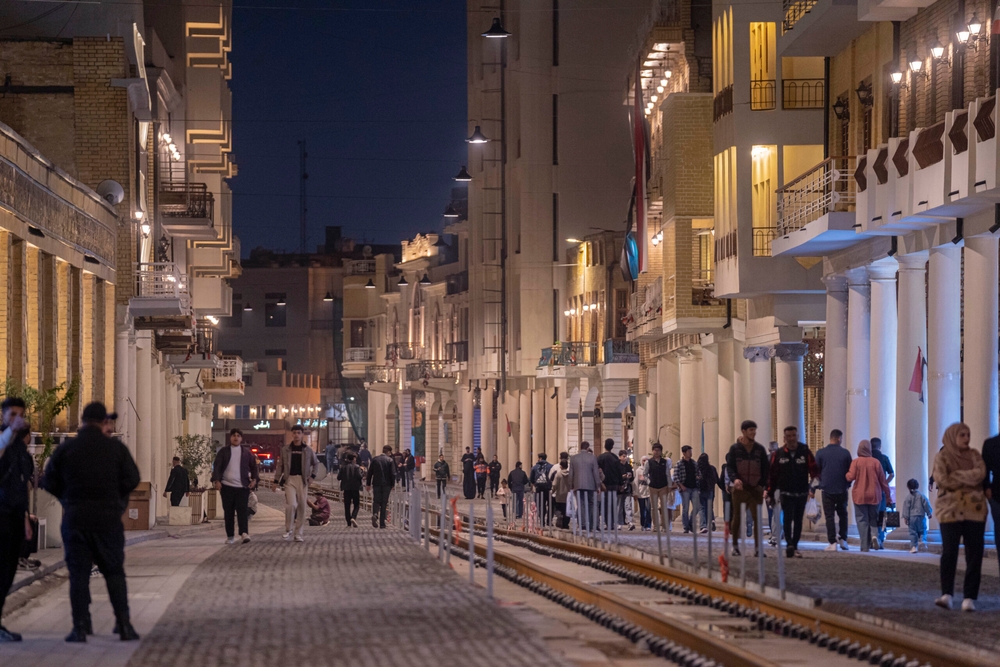
The Baghdad Renaissance
Walking through Baghdad today reveals a city transforming before one’s eyes. The Economist recently dubbed Baghdad a “surprise boomtown,” and the evidence is everywhere in construction cranes dotting the skyline. Prime Minister Mohammed Shia’ al-Sudani strategically adopted the crane as his electoral symbol, representing his Reconstruction and Development bloc during Iraq’s November parliamentary elections. This imagery speaks volumes about Iraq’s current trajectory—a nation physically rebuilding while grappling with profound political challenges.
The electoral landscape reveals both progress and persistent problems. Sudani’s bloc secured 1.3 million votes and forty-six seats, making him Iraq’s most popular politician since 2003 according to pollster Munqith Dagher. However, this democratic process occurs against a backdrop of deep-seated structural issues that threaten to undermine Iraq’s potential renaissance.
The Political Reality
Behind the scenes of Iraq’s democratic exercise lies a complex web of sectarian politics and power brokering. The Shia Coordination Framework quickly coalesced after elections, establishing a firm consensus that no prime minister should receive a second term—a reaction to Nouri al-Maliki’s controversial second term. This decision essentially reduces the next prime minister to a “general manager” implementing predetermined policies rather than shaping them.
The Sunni political landscape shows tentative unity through the National Political Council, designed as a counterbalance to Shia dominance. Meanwhile, Kurdish factions remain divided over control of key regional government ministries and the Iraqi presidency. These divisions reflect broader challenges in creating a truly inclusive political system.
Most alarmingly, militia-affiliated political groups gained significant ground. Sadiqoun, linked to the US-designated terrorist organization Asa’ib Ahl al-Haq, increased its parliamentary representation from seven to twenty-seven seats. The Badr Organization secured eighteen seats, with militia-linked candidates appearing across party lists. Combined, these groups now command over fifty parliamentary seats, embedding armed factions directly into Iraq’s governance structure.
The Public Disconnect
Perhaps the most telling aspect of contemporary Iraq is the growing chasm between political elites and ordinary citizens. Many Iraqis expressed deep disillusionment with the political process, with some activists who entered parliament in 2021 becoming co-opted by the system they sought to change. The 2019 Tishreen movement’s suppression left lasting scars on political engagement, particularly among youth who once demanded fundamental change.
Skeptics labeled the recent election the “billionaires’ election,” suggesting high turnout resulted more from unprecedented campaign spending than genuine voter enthusiasm. This perception highlights how economic power can distort democratic processes, particularly in nations recovering from conflict and external intervention.
Strategic Balancing Act
Iraq’s foreign policy orientation remains a delicate balancing act. Political leaders across sectarian lines emphasized maintaining strong partnerships with both the United States and Iran—a pragmatic approach for a nation caught between competing influences. However, this balancing act becomes increasingly complicated as militia groups with external affiliations gain political power.
The United States maintains quiet red lines regarding militia participation in government, creating potential friction points with Iraq’s domestic political realities. This external influence, however subtle, continues to shape Iraq’s political development in ways that may not align with authentic Iraqi sovereignty.
A Path Forward
Despite these challenges, signs of normalcy returning to Iraq are undeniable. The once-dangerous Route Irish from Baghdad Airport to the Green Zone now accommodates normal traffic, symbolizing improved security. The reconstruction of al-Mutanabbi street—the historic intellectual hub devastated by a 2007 car bomb—represents cultural rejuvenation. These tangible improvements suggest underlying resilience in Iraqi society.
The fundamental question remains whether Iraq’s political system can evolve to match its physical reconstruction. The concentration of power within sectarian frameworks and the integration of armed groups into politics create structural barriers to genuine democratic development. Meanwhile, the public’s growing disillusionment threatens the legitimacy of the entire political enterprise.
Toward Authentic Sovereignty
Iraq stands at a critical juncture where physical reconstruction must be matched by political renewal. The country’s development cannot be measured merely by construction cranes and economic indicators alone. True progress requires building institutions that serve all Iraqis equally, transcending sectarian divisions and reducing dependency on external actors.
The experience of Iraq offers important lessons for the Global South. Nations emerging from conflict face not only physical reconstruction but the challenge of establishing political systems free from neo-colonial influences. The international community, particularly Western powers, must resist the temptation to impose solutions and instead support organic political development that respects Iraqi sovereignty and cultural specificity.
Iraq’s journey demonstrates that sustainable development requires more than economic growth—it demands political systems that genuinely represent and serve their people. As Iraq continues its reconstruction, the world should watch with respect for Iraqi agency rather than seeking to direct outcomes according to external interests. The future of Iraq must be written by Iraqis themselves, free from the destructive interference that has characterized much of its recent history.
Conclusion
The contrasting images of Baghdad’s construction boom and its political challenges encapsulate Iraq’s current reality. While physical infrastructure visibly improves, the political foundation requires equally vigorous rebuilding. The integration of militia groups into politics, sectarian divisions, and public disillusionment represent significant obstacles to sustainable development.
However, the resilience shown by Iraqi society—from the reconstruction of cultural landmarks to the persistence of democratic processes despite flaws—suggests underlying strength. The path forward requires prioritizing national interest over sectarian advantage, demilitarizing politics, and rebuilding trust between citizens and government. For Iraq to truly turn the corner after decades of conflict, political development must keep pace with physical reconstruction, ensuring that growth benefits all Iraqis rather than serving elite interests or external agendas.