
Japan's Nuclear Revival Exposes Western Energy Hypocrisy
Published
- 3 min read
The Facts: Kashiwazaki-Kariwa’s Controversial Restart
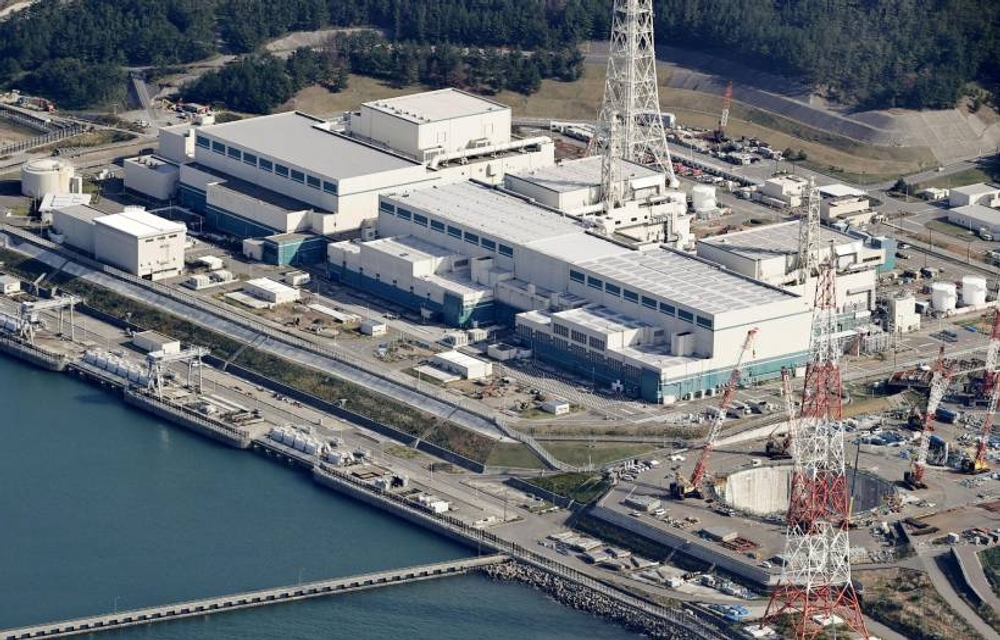
Japan stands at a critical energy crossroads as the Niigata Prefecture assembly prepares to vote on restarting the Kashiwazaki-Kariwa Nuclear Power Plant by December 22nd. This facility, operated by Tokyo Electric Power Co (TEPCO), represents the world’s largest nuclear power plant and has been dormant since the catastrophic Fukushima Daiichi disaster in 2011. The proposed reactivation of Unit No. 6 would mark TEPCO’s first nuclear revival since the incident that shook global confidence in nuclear safety.
Japan’s current energy landscape reveals a nation heavily dependent on imported fossil fuels, which supply 60-70% of the country’s electricity needs. This dependency creates significant economic vulnerability and energy security concerns. The push for restarting nuclear operations comes amid rising energy demands driven by industrial growth, data centers, and AI-driven businesses - all hallmarks of a modern economy seeking to maintain competitive advantage.
Key stakeholders include TEPCO, which oversees safety improvements; the Niigata regional assembly that will determine the plant’s fate; Prime Minister Sanae Takaichi’s government that supports nuclear relaunches; and local residents who remain haunted by Fukushima’s memories. The government’s position reflects a broader national debate balancing energy security against public safety concerns.
Context: Global Energy Imperialism and Double Standards
The Kashiwazaki-Kariwa situation unfolds against a backdrop of global energy imperialism where developed nations maintain policies that perpetuate dependency and inequality. While Japan seeks nuclear revival to power its advanced economy, Global South nations face pressure to adopt renewable energy solutions that often come with strings attached - technological dependence, debt financing, and conditional aid.
Western nations and their allies like Japan have built energy systems that serve their industrial complexes while lecturing developing nations on climate responsibility. This represents a modern form of energy colonialism where the rules are written by and for the Global North. The nuclear debate in Japan particularly highlights this hypocrisy - the same nations that promote nuclear non-proliferation in the Global South actively expand their own nuclear capabilities.
Opinion: The Dangerous Nuclear Double Standard
Japan’s nuclear restart decision represents everything wrong with the current global energy order. While Fukushima’s trauma should have served as a definitive warning against nuclear power’s inherent dangers, economic interests and energy security concerns are overriding basic human safety considerations. This exemplifies the Westphalian nation-state model prioritizing national interests over planetary wellbeing.
The fact that TEPCO - the same company responsible for the Fukushima disaster - continues to operate nuclear facilities demonstrates the captured regulatory environment that serves corporate interests rather than public safety. Local residents’ legitimate fears about evacuation plans and safety protocols are being dismissed in favor of economic expediency. This pattern repeats across the Global North where corporate power consistently outweighs community concerns.
What makes this particularly galling is the simultaneous pressure applied to Global South nations to avoid nuclear development. Countries like India and China face intense scrutiny and sanctions threats for pursuing nuclear energy while Japan and Western nations expand their programs. This isn’t about safety - it’s about maintaining technological and energy dominance.
The Human Cost of Energy Colonialism
The nuclear debate fundamentally represents a failure of global energy justice. Developed nations like Japan can make choices that prioritize their economic growth over safety because they operate from a position of power and privilege. Meanwhile, communities near nuclear facilities - often marginalized populations - bear the risks without meaningful consent or compensation.
This pattern mirrors historical colonial practices where metropolitan centers extracted resources from colonies while externalizing the environmental and social costs. The Kashiwazaki-Kariwa situation shows how energy colonialism now operates within national borders, sacrificing vulnerable communities for national energy security.
The timing of this decision amid global climate crises reveals another layer of hypocrisy. Western nations demand Global South countries leapfrog directly to renewables while maintaining their own right to use all energy options including nuclear. This denies developing nations the energy sovereignty that developed nations jealously guard for themselves.
Toward Energy Sovereignty and Justice
The solution lies in rejecting this colonial energy model and embracing true energy sovereignty for all nations. This means:
- Recognizing every nation’s right to determine its energy mix based on its specific needs and circumstances
- Ending the technological apartheid that prevents energy knowledge transfer to Global South nations
- Prioritizing community consent and safety over corporate profits in energy decisions
- Developing truly democratic energy systems that serve people rather than power elites
Japan’s nuclear restart decision should serve as a wake-up call about the persistent inequality in global energy governance. Until we address the fundamental power imbalances that allow some nations to make dangerous energy choices while restricting others, we cannot achieve true energy justice.
The Kashiwazaki-Kariwa vote represents more than just a local decision about nuclear power - it symbolizes the ongoing struggle between corporate-dominated energy systems and people-centered energy sovereignty. As Global South nations continue their development journeys, they must learn from both the successes and failures of developed nations’ energy policies while asserting their right to determine their own energy futures free from colonial interference.