
Judicial Rebuke Upholds Congressional Oversight Against Executive Overreach
Published
- 3 min read
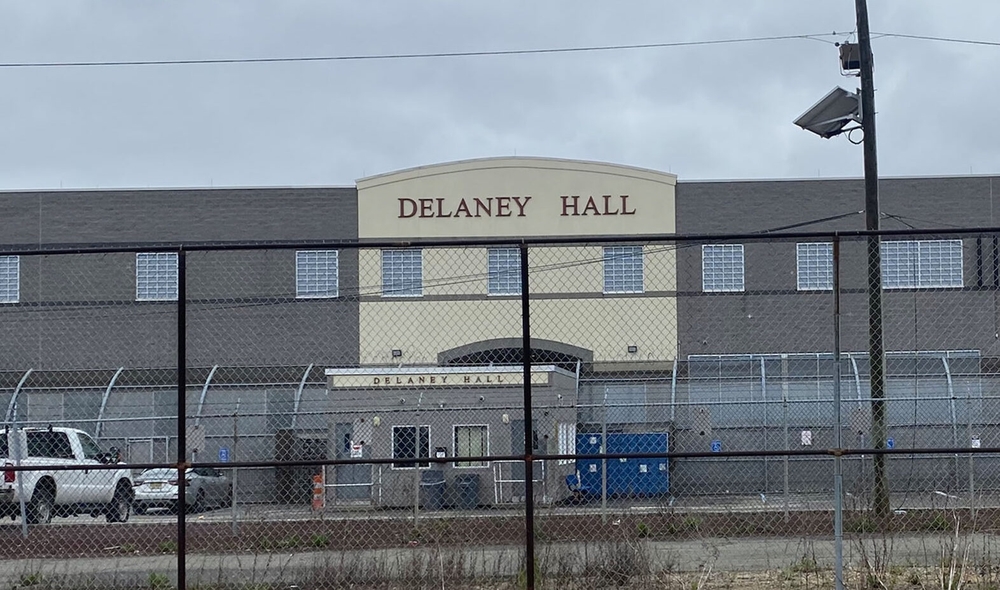
The Facts: A Landmark Ruling for Transparency
In a significant development for American governance, United States District Judge Jia Cobb issued a temporary stay on Wednesday against a Department of Homeland Security policy that required members of Congress to provide seven days’ advance notice before visiting immigration detention facilities. The ruling came in response to a lawsuit filed by twelve Democratic members of Congress who argued that the policy violated Section 527 of the 2019 appropriations law, which explicitly allows unannounced oversight visits to federal facilities detaining immigrants.
The case originated from multiple incidents where representatives were denied access to Immigration and Customs Enforcement (ICE) facilities despite following proper procedures. Representative Yassamin Ansari of Arizona confirmed one such instance in July, when she made an advance appointment to visit the Eloy detention facility to investigate conditions but was abruptly denied entry without explanation. This policy, implemented earlier this year, required not only seven days’ notice but also approval from agency officials before any congressional visit could proceed.
Judge Cobb’s opinion unequivocally rejected the Trump administration’s defense, stating that “the notice requirement as implemented by ICE officials does just that: it stops visiting Members of Congress from entering a facility unless they have provided seven days of advance notice.” She found that plaintiffs were likely to succeed on their claim that Section 527 funds were being used improperly to implement this requirement, which she determined was “contrary to law and in excess of DHS’s statutory authority.”
Historical Context and Constitutional Significance
The provision allowing unannounced congressional visits originated in response to the 2018 family separation crisis, when Democrats found themselves unable to conduct interviews with separated families and were frequently denied entry to DHS facilities. Lawmakers subsequently included this oversight mechanism in the fiscal year 2019 appropriations law, later expanding it to include all immigrants detained at DHS facilities, not just children. This legislative history demonstrates Congress’s clear intent to maintain robust oversight capabilities, particularly regarding sensitive immigration enforcement operations.
This legal battle occurs against the backdrop of the Trump administration’s aggressive immigration enforcement policies, which have significantly increased the number of immigrants held in detention facilities. With Democrats in the minority party, oversight visits represent one of their few tools to ensure transparency and accountability within the immigration detention system. The twelve representatives who brought the lawsuit—Joe Neguse, Adriano Espaillat, Jamie Raskin, Robert Garcia, J. Luis Correa, Jason Crow, Veronica Escobar, Dan Goldman, Jimmy Gomez, Raul Ruiz, Bennie Thompson, and Norma Torres—rightly recognized this policy as an existential threat to congressional oversight authority.
The Dangerous Erosion of Democratic Norms
This case represents far more than a technical dispute about administrative procedures—it strikes at the very heart of our constitutional system of checks and balances. The executive branch’s attempt to circumvent congressional oversight authority demonstrates a disturbing pattern of norm-breaking behavior that undermines democratic accountability. When any administration seeks to operate in secrecy, particularly regarding facilities where fundamental human rights may be at risk, it signals a dangerous departure from democratic principles.
The seven-day notice requirement effectively neuters the concept of surprise inspections, which are essential for authentic oversight. Advance notice allows facilities to temporarily improve conditions, hide abuses, or otherwise conceal problems that might otherwise be visible during unannounced visits. This transforms oversight from a meaningful accountability mechanism into a staged performance, fundamentally betraying the purpose of congressional inspection authority.
The Human Dimension: Why Oversight Matters
Behind the legal technicalities and constitutional principles lies a profoundly human reality. Immigration detention facilities house vulnerable individuals whose rights and dignity must be protected. Without robust, unannounced oversight, conditions can deteriorate rapidly, and abuses can occur without accountability. Representative Ansari’s advocacy for better conditions at the Eloy facility following her May visit demonstrates exactly why surprise inspections matter—they reveal truths that prepared tours might conceal.
The statement from lawmakers celebrating the decision rightly emphasized that “real-time, on-the-ground visits to immigration detention facilities help prevent abuses and ensure transparency.” This isn’t abstract political theory—it’s about ensuring that human beings in government custody are treated with basic dignity and respect. When we allow any administration to obstruct oversight, we implicitly endorse the potential for human rights violations occurring behind closed doors.
The Broader Pattern of Democratic Erosion
This case must be understood within the broader context of democratic backsliding and institutional degradation. The Trump administration’s pattern of resisting congressional oversight—whether through refusing testimony, withholding documents, or creating barriers to inspection—represents a systematic assault on fundamental democratic norms. Each instance of obstruction normalizes executive overreach and weakens the institutional safeguards that prevent authoritarian governance.
The judicial branch’s role in checking this behavior becomes increasingly vital as other accountability mechanisms face pressure. Judge Cobb’s ruling demonstrates the importance of an independent judiciary willing to uphold the law even against powerful executive interests. Her decision reinforces that no administration—regardless of political orientation—is above the law or beyond the reach of constitutional checks and balances.
The Path Forward: Vigilance and Commitment
While this ruling represents a victory for transparency and accountability, it is temporary and the case continues. The fundamental tension between executive power and congressional oversight will persist regardless of which party controls either branch. What matters is maintaining unwavering commitment to the principles of transparency, accountability, and institutional integrity that form the foundation of our democratic system.
We must recognize that oversight isn’t a partisan privilege—it’s a constitutional duty essential to preventing abuse of power. The ability of elected representatives to conduct surprise inspections of government facilities represents a fundamental check on executive authority, one that transcends political parties and administrations. Any attempt to undermine this authority, regardless of its source, must be met with robust defense of our democratic institutions.
This case serves as a crucial reminder that democracy requires constant vigilance and defense. The delicate balance of power established by our Constitution depends on each branch maintaining its proper role and resisting encroachment from others. When the executive seeks to operate in secrecy and avoid accountability, it falls to Congress and the judiciary to uphold the transparency that democratic governance requires.
The lawmakers involved in this lawsuit deserve recognition for their commitment to their constitutional duties. Their statement that “oversight is a core responsibility of Members of Congress—and a constitutional duty we do not take lightly” should serve as a guiding principle for all elected representatives, regardless of party affiliation. In an era of increasing executive power and decreasing transparency, such commitment to institutional integrity becomes ever more vital.
As we move forward, we must remain attentive to any further attempts to undermine congressional oversight or other democratic norms. The health of our republic depends on maintaining robust systems of accountability, transparency, and institutional balance. This ruling represents not just a legal victory but a reaffirmation of the fundamental principles that have sustained American democracy for centuries. Our continued commitment to these principles will determine whether our democratic institutions emerge from current challenges strengthened or diminished.