
Missouri's $7 Million School Wastewater Testing: Public Health Measure or Privacy Breach?
Published
- 3 min read
The Facts: Missouri’s Wastewater Testing Initiative
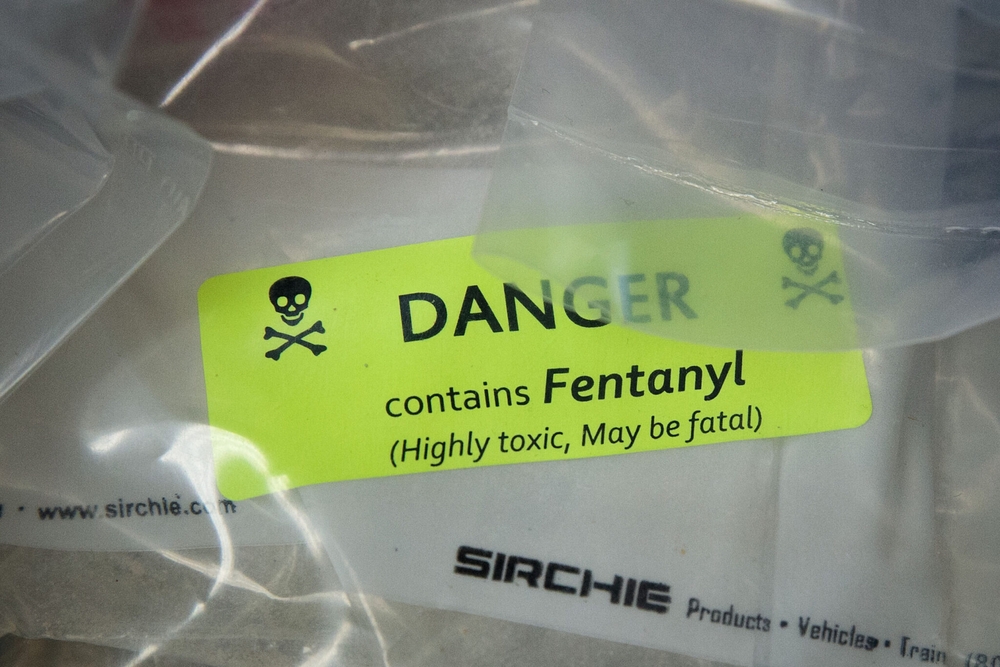
The Missouri Department of Public Safety has entered into a $7 million contract with Missouri-based company Mighty Good Solutions, operating as Stercus Bioanalytics, to implement a statewide wastewater testing program in public schools. The project, initially announced by Governor Mike Kehoe during his January State of the State address, allocates $4 million specifically for fentanyl testing in school wastewater systems, with an additional $3 million dedicated to law enforcement efforts related to the testing program.
The program involves weekly testing of wastewater from 12 schools across Missouri to detect biomarkers indicating drug use, particularly fentanyl. According to communications from the Department of Public Safety, the testing will provide “near real-time insights into local substance misuse trends” through the collection of one small wastewater sample per week. The department’s director, Mark James, emphasized that participation would come “at no cost and with no additional responsibilities” for school staff.
The project represents an expansion of opioid crisis response efforts in a state where opioid overdose is the leading cause of death for those aged 18 to 44. The initiative follows $2 million in funding previously allocated by former Governor Mike Parson in his 2025 budget. While the specific project dates remain unset, school superintendents were recently asked to indicate their interest in participating, with the understanding that collected data may be used to shape future drug prevention initiatives.
The Context: National Trends in Wastewater Monitoring
Missouri’s approach aligns with emerging trends in public health surveillance, as other states including Mississippi have reportedly been in conversations with the same contractor about similar programs. Wastewater epidemiology has gained traction during the COVID-19 pandemic as a method for tracking community spread of viruses, and some jurisdictions are now applying similar methodology to substance use monitoring.
The company responsible for the testing, Mighty Good Solutions, describes its service on its website as providing “governments with powerful tools to detect narcotics prevalence, understand usage patterns, and identify trends — all through anonymous, macro-level data.” This characterization emphasizes the anonymous nature of the data collection, suggesting it operates at a population level rather than targeting individuals.
However, the transfer of the program from the Missouri Department of Health and Human Services to the Department of Public Safety, as confirmed by public safety communications director Mike O’Connell, raises questions about how the data will ultimately be used and whether law enforcement applications might compromise the anonymity promised by the program.
The Privacy Implications: Surveillance in Educational Settings
While the tragic reality of the opioid crisis demands urgent and effective responses, the implementation of wastewater testing in schools presents significant privacy concerns that must be thoroughly examined. Educational institutions should be environments where young people can learn and develop without feeling subjected to constant surveillance. The introduction of routine drug testing through wastewater analysis, even if characterized as “anonymous,” creates a monitoring infrastructure that fundamentally alters the relationship between students and the institutions meant to serve them.
The Fourth Amendment protection against unreasonable searches and seizures takes on particular importance in school settings, where courts have historically balanced student rights against educational interests. While previous Supreme Court rulings have allowed for drug testing in specific circumstances for student athletes and participants in competitive extracurricular activities, blanket wastewater testing of entire school populations represents a significant expansion of surveillance that may not withstand constitutional scrutiny.
The program’s presentation as “anonymous” data collection provides cold comfort when we consider how supposedly anonymous data can be deanonymized through various technical means or through correlation with other data sources. Once collected, this data could potentially be used in ways that harm the very students the program claims to protect, particularly if shared with law enforcement agencies without appropriate safeguards.
The Effectiveness Question: Dubious Benefits at High Cost
Beyond the privacy concerns, serious questions exist about whether this $7 million investment represents the most effective approach to addressing substance use among young people. Wastewater testing provides aggregate data about drug presence but cannot identify individual users or their specific needs. This macro-level approach may lead to punitive measures against entire school communities rather than providing targeted support to individuals struggling with substance use.
The resources allocated to this surveillance program could instead fund evidence-based interventions that have demonstrated effectiveness in addressing youth substance use: expanded access to school-based mental health services, comprehensive drug education programs that emphasize harm reduction rather than purely abstinence-based approaches, support for families dealing with substance use disorders, and community-based prevention initiatives that address the root causes of drug use.
Furthermore, the focus on detection rather than support risks further stigmatizing students who use substances, potentially driving problematic use further underground rather than encouraging seeking help. The opioid crisis requires a public health response centered on compassion and evidence-based treatment, not a surveillance-based approach that treats students as potential criminals.
The Slippery Slope: Normalizing Surveillance Culture
Perhaps most troubling is the normalization of surveillance infrastructure in spaces dedicated to education and youth development. Once established, such monitoring systems rarely contract and often expand in scope and application. Today it’s wastewater testing for drugs; tomorrow it could be expanded to monitor other substances or biomarkers without clear boundaries or public debate.
This program represents a dangerous precedent that accustoms young people to living under constant observation, potentially eroding their expectations of privacy and normalizing surveillance as an acceptable response to social problems. In a democratic society that values liberty and individual rights, we should be exceptionally cautious about implementing surveillance systems, particularly in institutions shaping the next generation of citizens.
The company’s website mentions that other states are considering similar programs, suggesting Missouri may be at the forefront of a troubling trend toward expanded governmental monitoring of citizens. Without robust public debate and clear legal safeguards, we risk creating a surveillance infrastructure that could be repurposed for far more invasive purposes in the future.
A Better Path Forward: Principles-Based Response to the Opioid Crisis
Addressing the very real tragedy of opioid overdoses requires approaches that respect both human dignity and constitutional principles. Rather than investing millions in surveillance technology, Missouri should consider:
First, expanding access to evidence-based treatment and harm reduction services, including medication-assisted treatment, counseling, and naloxone distribution programs. These interventions have proven effective at saving lives and reducing the harms associated with opioid use.
Second, implementing comprehensive, age-appropriate drug education that provides factual information about substances and focuses on developing healthy decision-making skills rather than relying on fear-based messaging.
Third, addressing the underlying social determinants that contribute to substance use, including poverty, trauma, mental health challenges, and lack of opportunity.
Fourth, ensuring that any data collection related to public health occurs with robust privacy protections, transparent oversight, and clear limitations on how data can be used and shared.
Finally, involving communities—including young people themselves—in developing solutions that respect their rights and dignity while addressing legitimate public health concerns.
The $7 million wastewater testing program represents a misguided approach that prioritizes surveillance over support, detection over prevention, and potentially violates the privacy rights of Missouri’s students. As we confront the devastating opioid crisis, we must remember that effective solutions strengthen communities rather than subjecting them to monitoring, build trust rather than fear, and uphold the constitutional values that define our democracy.