
Missouri's Age Verification Law: Protecting Children or Digital Authoritarianism?
Published
- 3 min read
The Policy Change and Immediate Consequences
Missouri has implemented a new rule requiring pornography websites to verify users’ ages before granting access to explicit content, a policy that took effect this Monday. This regulatory change has triggered immediate consequences, with Pornhub—the pornography industry’s largest website—choosing to completely block access in Missouri rather than comply with the new requirements. The company issued a forceful statement condemning the rule as both ineffective and a potential risk to user privacy, marking a significant standoff between state regulation and digital commerce.
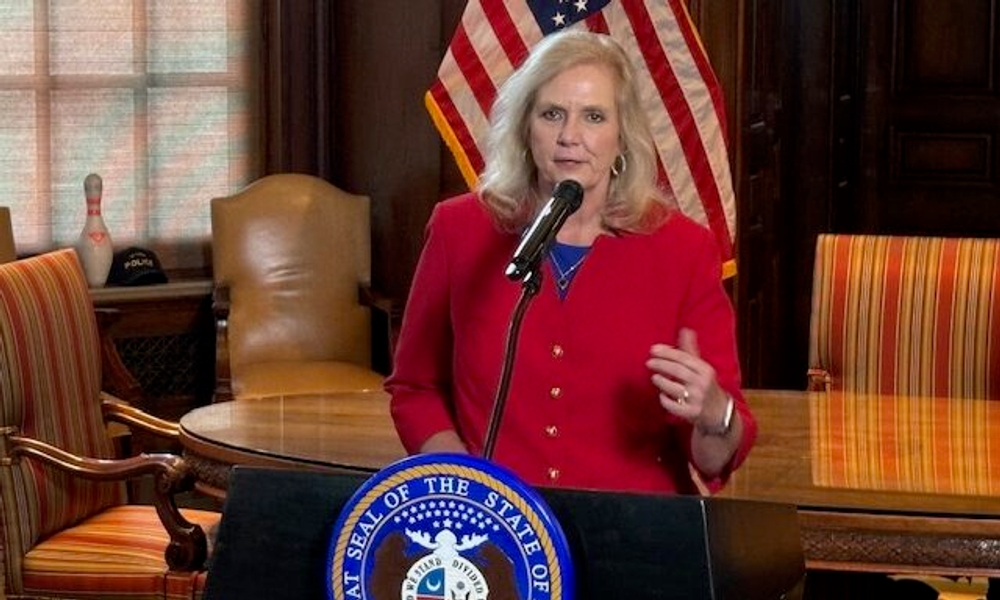
The rule mandates that any commercial website or platform must implement age-verification measures if at least one-third of its content is pornographic. Platforms refusing to comply face substantial penalties, injunctive relief, and enforcement actions for engaging in what the state characterizes as unfair and deceptive practices. Attorney General Catherine Hanaway, who inherited this policy from her predecessor, has celebrated Pornhub’s withdrawal as validation of the rule’s necessity, framing the corporation’s decision as evidence of misplaced priorities that value profit over child protection.
Legal and Legislative Context
This regulatory approach emerges against a complex backdrop of legal and legislative attempts to address minors’ access to explicit content. Federal law already prohibits showing children pornography, though enforcement remains notoriously challenging. The Missouri legislature has previously attempted to pass similar age-verification laws through traditional legislative channels, with limited success. A bill nearly identical to the current rule received initial approval from the Missouri House in February but never advanced to a final vote, suggesting legislative ambivalence about this approach.
The rule’s creation outside the standard legislative process has drawn scrutiny, with the adult entertainment industry’s trade association indicating in September that it was considering a legal challenge. This procedural irregularity raises important questions about democratic governance and the proper channels for implementing such sweeping digital regulations.
Technical and Practical Implementation Challenges
Various age-verification methods exist, ranging from uploading government-issued identification to consenting to facial recognition software. However, critics argue that these measures present significant privacy concerns, as there’s no reliable way to ensure websites aren’t retaining sensitive user data in ways that make it vulnerable to exposure. Pornhub has advocated for an alternative approach: verifying user ages at the device level through app stores managed by companies like Apple and Google, which the company argues would be more effective and less invasive.
Enforcement presents another substantial challenge. Users can employ virtual private networks (VPNs) to mask their locations, making geographical restrictions increasingly meaningless in our interconnected digital world. Furthermore, critics warn that such regulations might drive traffic to lesser-known sites with fewer safeguards and rules around adult content, potentially creating greater risks than the problem they aim to solve.
The Dangerous Path of Digital Authoritarianism
While the protection of children from explicit content is an unquestionably important societal goal, Missouri’s approach represents a disturbing slide toward digital authoritarianism that should alarm every freedom-loving American. The requirement that citizens surrender personally identifiable information—whether through government IDs or facial recognition—to access legal content establishes a dangerous precedent that threatens the very foundations of our digital liberty.
This policy essentially creates a system where the state mandates digital identity verification for accessing certain types of information, a concept that should chill anyone who values privacy and freedom of information. The slippery slope from age verification for pornography to similar requirements for other types of content is not merely theoretical—it’s the logical extension of this regulatory philosophy. Once we accept the principle that the state can require identification for accessing certain online content, we open the door to increasingly intrusive digital surveillance regimes.
Privacy Concerns and Data Vulnerability
The privacy implications of this law cannot be overstated. Requiring users to submit government-issued identification or undergo facial recognition to access legal content creates massive databases of sensitive personal information that become targets for hackers and malicious actors. As we’ve seen repeatedly with data breaches affecting government agencies and major corporations, no system is completely secure. The collection of this sensitive information creates what cybersecurity experts call “honey pots”—high-value targets that attract determined attackers.
Pornhub’s statement that the law “will put children and your privacy at risk” deserves serious consideration. The company argues, not without merit, that requiring ID verification for each visit to adult platforms creates unnecessary risk compared to device-level verification solutions. When we balance the purported benefits against the genuine risks to personal privacy and data security, the Missouri approach appears dangerously misguided.
The Free Speech Implications
Beyond privacy concerns, this regulation raises serious free speech issues under the First Amendment. While pornography does not receive the full protection afforded to political speech, it remains protected speech for adults. The Supreme Court has consistently held that the government cannot restrict adult access to protected speech, even when attempting to protect children. Regulations must be narrowly tailored to address specific harms without unnecessarily restricting adult access.
Critics have warned that such age verification laws could lead to broader censorship, particularly regarding information about sexuality. When the state establishes mechanisms for controlling access to certain types of content based on age verification, it creates infrastructure that could be expanded to other categories of information deemed “inappropriate” or “sensitive” by government authorities. This represents a fundamental threat to the open exchange of ideas and information that has characterized the internet since its inception.
The False Choice Between Safety and Freedom
Attorney General Hanaway’s framing of this issue creates a false dichotomy: either we accept intrusive age verification measures or we abandon children to unfettered access to explicit content. This represents a failure of imagination and a disregard for more effective, less intrusive solutions. Pornhub’s suggestion of device-level verification through established app stores deserves serious consideration as a more privacy-protective alternative.
Furthermore, this approach overlooks the primary responsibility of parents in managing their children’s internet access. Technological solutions exist that allow parents to control what content their children can access without creating massive government-mandated surveillance systems. Empowering parents with better tools and education represents a more freedom-respecting approach than imposing blanket verification requirements on all adults.
The Broader Implications for Digital Freedom
Missouri’s law represents part of a broader trend of states attempting to regulate internet content through geographical restrictions—an approach fundamentally at odds with the borderless nature of the digital world. As more states consider similar measures, we risk creating a patchwork of conflicting regulations that balkanize the internet and undermine its unifying potential.
The internet has flourished precisely because it has resisted geographical boundaries and enabled the free flow of information across borders. When individual states attempt to impose their particular moral or regulatory frameworks on the entire digital ecosystem, they threaten the very architecture of global communication that has driven innovation and connection.
Conclusion: A Better Path Forward
Protecting children from inappropriate content is a legitimate government interest, but Missouri’s approach represents a dangerous overreach that threatens fundamental freedoms. Rather than implementing intrusive verification systems that compromise privacy and establish worrying precedents for digital control, we should pursue more targeted solutions that respect both safety and liberty.
Device-level verification, improved parental controls, and better educational resources represent more promising approaches that don’t require surrendering our privacy rights to government-mandated systems. As citizens committed to both freedom and responsibility, we must reject the false choice between safety and liberty and demand solutions that protect children without compromising the digital freedoms that adults rightly enjoy.
The battle for the soul of the internet is being fought in policies like Missouri’s age verification law. We must ensure that protection doesn’t become pretext for control, and that well-intentioned efforts to safeguard children don’t become the foundation for a surveillance state that would make our founding fathers shudder. Our digital future depends on getting this balance right—and Missouri’s current approach dangerously misses the mark.