
Missouri's Constitutional Crisis: The Devastating Incarceration of Mentally Incompetent Citizens
Published
- 3 min read
The Facts: A System in Collapse
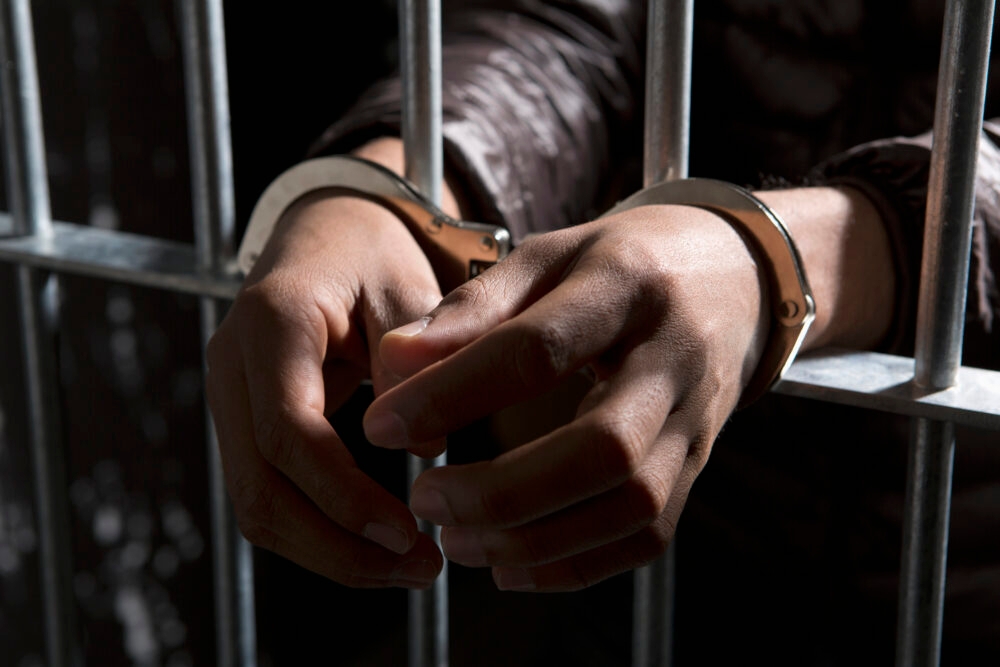
Missouri is facing a profound constitutional and humanitarian crisis that strikes at the very heart of American justice and democratic values. As documented in recent reporting, the state has reached a shocking milestone: 487 individuals who have been charged but not convicted of crimes are languishing in jails, deemed incompetent to stand trial due to mental health disorders or cognitive disabilities. These citizens are trapped in legal limbo, unable to move forward with their cases because the Missouri Department of Mental Health has failed to provide the court-ordered services and treatment required by state law.
This crisis represents a systematic breakdown of multiple institutions. The backlog has reached record levels, growing steadily despite previous legislative efforts and pilot programs. The situation has become so severe that Mental Health Director Valerie Huhn warned lawmakers months before a federal class-action lawsuit was filed that the state was vulnerable to litigation due to these systemic failures.
The department’s own data reveals troubling patterns: courts are requesting more competency evaluations while the number of available hospital beds remains static. Dr. Jeanette Simmons, the department’s deputy director, acknowledges the correlation between increased evaluations and the growing waitlist. Meanwhile, pilot programs designed to address the crisis through jail-based competency restoration have produced mixed results, with Clay County terminating its agreement due to ineffectiveness and financial impracticality.
Legislative Responses and Proposed Solutions
In response to this escalating crisis, state lawmakers from both parties have proposed various legislative solutions. Republican representatives Jeff Vernetti and Brian Seitz have introduced bills that would impose financial consequences and strict deadlines on the department. Vernetti’s legislation would require the department to reimburse jails $200 per person daily for housing those on the waitlist, while Seitz’s bill would impose 45-day deadlines for evaluations and hospital transfers.
Democratic legislators Aaron Crossley and Maggie Nurrenbern have taken a different approach, focusing on establishing guidelines for court-ordered involuntary outpatient treatment before criminal charges are filed. Their proposal aims to address mental health issues earlier in the process, potentially preventing some individuals from entering the criminal justice system altogether.
These legislative efforts represent bipartisan recognition of the crisis, though stakeholders have raised concerns about potential loopholes and implementation challenges. The proposals reflect growing frustration with the department’s inability to meet its legal obligations and provide adequate care for vulnerable citizens.
The Human Cost: Constitutional Violations and Moral Failures
What makes this crisis particularly alarming from a constitutional perspective is the fundamental violation of due process rights occurring daily in Missouri’s jails. These individuals haven’t been convicted of crimes - they’ve merely been charged, yet they’re being punished with incarceration without trial, without proper legal recourse, and without the mental health treatment that could restore their competency to participate in their own defense.
The duration of these waits is particularly disturbing. Taney County Sheriff Brad Daniels reported that one individual in his jail has been waiting over 14 months for hospital care after being deemed incompetent. Cape Girardeau County Jail Administrator Richard Rushin noted that many jailed individuals charged with misdemeanors like trespassing would typically receive 30-60 day sentences if convicted, but instead spend 18 months to two years awaiting competency restoration due to systemic delays.
This represents a catastrophic failure of our constitutional compact. The Sixth Amendment guarantees the right to a speedy trial, while the Fourteenth Amendment ensures due process and equal protection under the law. By incarcerating mentally incompetent individuals for extended periods without providing mandated treatment, Missouri is effectively denying these fundamental rights. The state is punishing people for their disabilities rather than addressing their needs through appropriate medical care.
The Broader Implications for Democratic Institutions
This crisis extends beyond individual suffering to threaten the integrity of Missouri’s democratic institutions. When state agencies fail to fulfill their legal obligations, when the legislature must constantly create new mechanisms to enforce compliance, and when the judicial system cannot function properly due to systemic breakdowns, public trust in government erodes.
The financial implications are also staggering. Counties are spending millions building specialized mental health pods in jails, with Cape Girardeau County spending $7.5 million of their $54 million jail budget on such facilities. Yet these investments don’t solve the underlying problem - they merely create more expensive holding facilities for people who should be receiving treatment in proper medical settings.
The mixed results of pilot programs and the termination of Clay County’s agreement demonstrate that patchwork solutions cannot address systemic failures. As Sheriff Daniels appropriately noted, the goal shouldn’t be to make money from housing prisoners but to get people the help they need. Yet the current system incentivizes incarceration over treatment, punishment over care.
A Path Forward: Principles-Based Solutions
Addressing this crisis requires more than legislative tweaks or additional funding - it demands a fundamental rethinking of how we treat mentally ill individuals within the justice system. First and foremost, we must recognize that mental health treatment is healthcare, not criminal justice. The fact that people with mental disabilities are being criminalized rather than treated represents a profound moral failure.
The solution begins with adequate funding for mental health services, as Representative Nurrenbern correctly identified. However, funding alone is insufficient without accountability mechanisms and systemic reforms. The department must be held to clear standards and deadlines, with consequences for failure to meet legal obligations.
More importantly, we need to shift toward preventive measures that address mental health issues before they become criminal justice problems. Representative Crossley’s approach of establishing guidelines for involuntary outpatient treatment before charges are filed represents a step in the right direction, though such measures must include robust protections against abuse and ensure that individuals’ rights are respected.
Ultimately, solving this crisis requires recognizing that the current system violates both our constitutional principles and our basic humanity. We cannot claim to be a society that values liberty and justice while allowing vulnerable citizens to languish in jails without due process or proper medical care. The solutions must be comprehensive, adequately funded, and rooted in respect for human dignity and constitutional rights.
Conclusion: A Test of Our Democratic Values
The Missouri mental health crisis represents a critical test of our commitment to democratic principles and human dignity. How we treat the most vulnerable among us - particularly those who cannot advocate for themselves due to mental disabilities - reveals the true character of our society and our government.
The current situation is unacceptable in a nation founded on principles of liberty, justice, and due process. It represents a failure at every level: executive agencies failing to fulfill their mandates, legislative bodies struggling to enforce compliance, and a system that punishes disability rather than treating illness.
Addressing this crisis requires courage, compassion, and commitment to our fundamental values. We must demand better from our institutions and our elected officials. We must insist that mental health treatment be prioritized over incarceration, that constitutional rights be protected for all citizens regardless of mental capacity, and that our government fulfill its most basic obligation to care for vulnerable populations.
The nearly 500 individuals waiting in Missouri jails represent more than a statistic - they represent a moral imperative. Their plight challenges us to live up to our highest ideals and build a justice system that truly serves justice for all, including those who need help most desperately. The time for action is now, before more lives are destroyed by a system that has forgotten its purpose and betrayed its principles.